
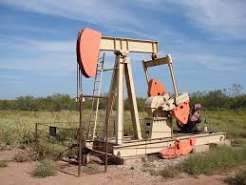
Exploring Industry Trends With royalty oil and gas Knowledge
Introduction
The oil and gas industry plays an important role in supporting economic growth, industrial development, and global energy requirements. From transportation and manufacturing to electricity generation, energy resources influence many aspects of modern life. As technology and market conditions continue to change, understanding industry trends has become increasingly important. Learning about royalty oil and gas also provides valuable knowledge about resource ownership, production agreements, financial opportunities, and the overall structure of the energy sector.
Understanding Current Oil and Gas Industry Trends
The oil and gas industry royalty oil and gas experiences changes influenced by international demand, production activities, economic conditions, and government policies. Companies monitor these developments to understand market opportunities and prepare for future challenges.
One important trend is the growing use of digital technologies in exploration and production. Modern equipment, automated systems, and data analysis help energy companies improve operational efficiency. These developments also support better decision-making by providing accurate information about resources and production performance.
Understanding these trends allows industry professionals to recognize how traditional energy operations are adapting to modern business requirements.
The Importance of Royalty Agreements
Royalty agreements are an essential part of natural resource development. They establish financial arrangements between mineral or resource owners and companies responsible for exploration and extraction. These agreements generally allow resource owners to receive a share of production revenue without directly managing daily operations.
Knowledge of royalty oil and gas arrangements helps readers understand how ownership rights and production activities create financial relationships. Royalty structures may depend on contractual terms, resource ownership, production volumes, and applicable regulations.
Clear agreements and accurate financial reporting are important for maintaining transparency between all involved parties.
Technology Transforming Energy Operations
Technological development continues to influence the way oil and gas companies operate. Advanced exploration tools help identify underground resources, while modern drilling equipment improves extraction processes. Digital monitoring systems also provide useful information about equipment performance and operational conditions.
Artificial intelligence and data analytics are becoming increasingly relevant in energy management. Companies can examine large amounts of operational information to identify patterns, evaluate performance, and improve planning.
These technological improvements demonstrate how innovation can support more efficient resource utilization and strengthen industry performance.
Market Demand and Economic Influences
Global market demand is another important factor shaping industry trends. Economic growth, transportation activities, industrial production, and international trade all influence energy consumption.
Oil and gas prices may change because of supply limitations, geopolitical developments, production decisions, and changing consumer requirements. Businesses therefore need reliable market information to understand potential risks and opportunities.
Studying industry developments alongside royalty arrangements provides a broader perspective on how production and financial interests connect with international energy markets.
Environmental Responsibility and Future Development
Environmental responsibility has become an important consideration for energy companies. Businesses are exploring methods to reduce emissions, improve operational safety, and manage natural resources more efficiently.
Renewable energy development is also influencing long-term industry planning. Although oil and gas remain important energy sources, companies are increasingly evaluating opportunities to diversify their energy portfolios.
Responsible production practices can help balance economic requirements with environmental protection and long-term sustainability.
Conclusion
The oil and gas industry continues to evolve through technological innovation, changing market conditions, and new environmental priorities. Understanding royalty oil and gas knowledge provides useful insights into resource ownership, financial agreements, and production activities. By following industry trends and learning about modern energy practices, readers can develop a stronger understanding of this important sector and its contribution to the global economy.