
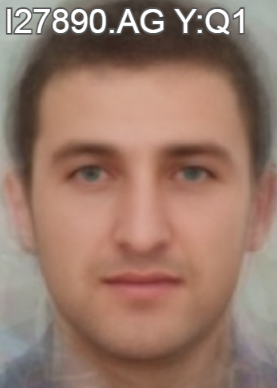
I27890.AG Akbari 2026 Sarmatian Sample
Deep in the vast grasslands of Eurasia, where nomadic warriors once rode across endless horizons, a new genetic discovery is shedding light on one of history’s most mysterious peoples.
In the 2026 ancient DNA release, often referred to as the Akbari dataset, researchers analyzed thousands of ancient individuals across Eurasia. Among them is the sample we will analyze in this video.
The Sarmatians were a group of Iranian-speaking nomadic tribes who dominated the Pontic-Caspian Steppe during the Iron Age, roughly between 400 BC and 400 AD. Masters of horseback warfare, they roamed regions stretching from modern-day Ukraine and southern Russia all the way into Central Asia and even influenced parts of Central-East Europe. Known to ancient writers like Herodotus, they were closely related to the Scythians and played a major role in shaping the genetic and cultural landscape of the Eurasian steppe.
Based on its genetic profile, sample I27890 likely belongs to this Sarmatian horizon, placing it somewhere within this dynamic period of migration, warfare, and cultural exchange. While the exact archaeological site and date have yet to be fully published, we know that this sample is definitely Sarmatian based on qpAdm, G25, and andreimix analysis.