
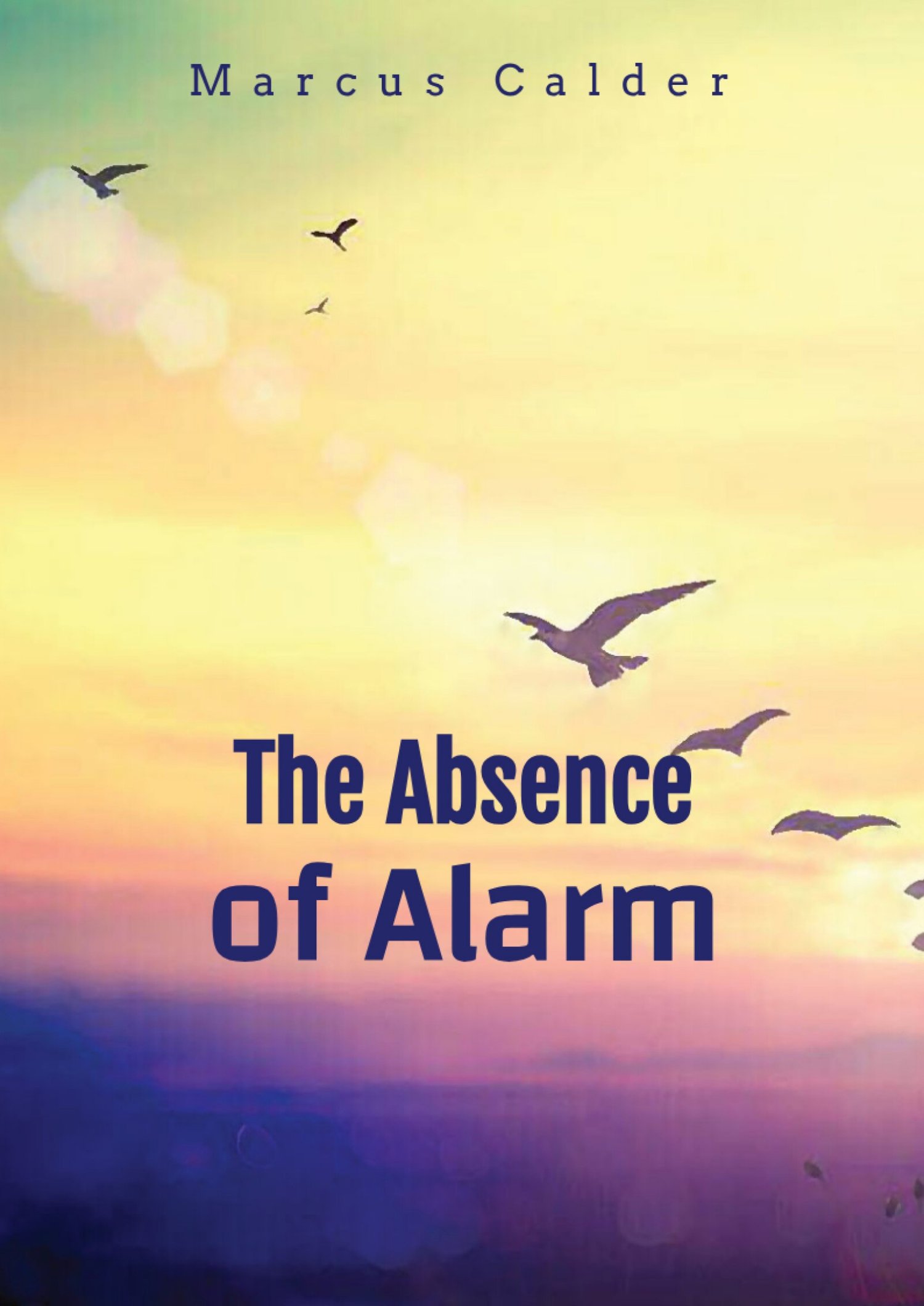
The Absence of Alarm
The Absence of Alarm
Nothing dramatic happens at first.
There is no siren.
No shouting.
No clear moment when everything goes wrong.
Things simply continue — meetings are held, reports are written, people are reassured — while something underneath begins to fail.
The Absence of Alarm is a psychological thriller about systems that keep functioning after harm has already occurred, and the people who notice too late that stability has become part of the danger.
Set inside a corporate wellbeing and early-intervention environment, the novel follows professionals who believe they are reducing risk, supporting staff, and preventing crisis — until the measures designed to stabilise distress begin quietly reshaping behaviour, responsibility, and accountability.
As pressure builds, the warning signs are subtle:
- emotional flattening mistaken for calm
- compliance mistaken for recovery
- silence mistaken for safety
The question is not whether something is wrong.
It’s why no one seems alarmed.
Written with clinical realism and restraint, The Absence of Alarm explores how good intentions, procedural thinking, and commercial pressure can combine to produce outcomes no one intended — and few are prepared to confront.
This is not a story about villains.
It is a story about normal people, doing reasonable things, inside a system that no longer knows how to stop.
What to expect
- A slow-burn psychological thriller
- Corporate and institutional realism
- Moral tension rather than spectacle
- Escalation that feels disturbingly plausible
About the author
Marcus Calder writes psychological fiction that examines what happens when systems outgrow the humans they are meant to serve. His work focuses on quiet failures, ethical drift, and the moments when normal procedures become dangerous.