

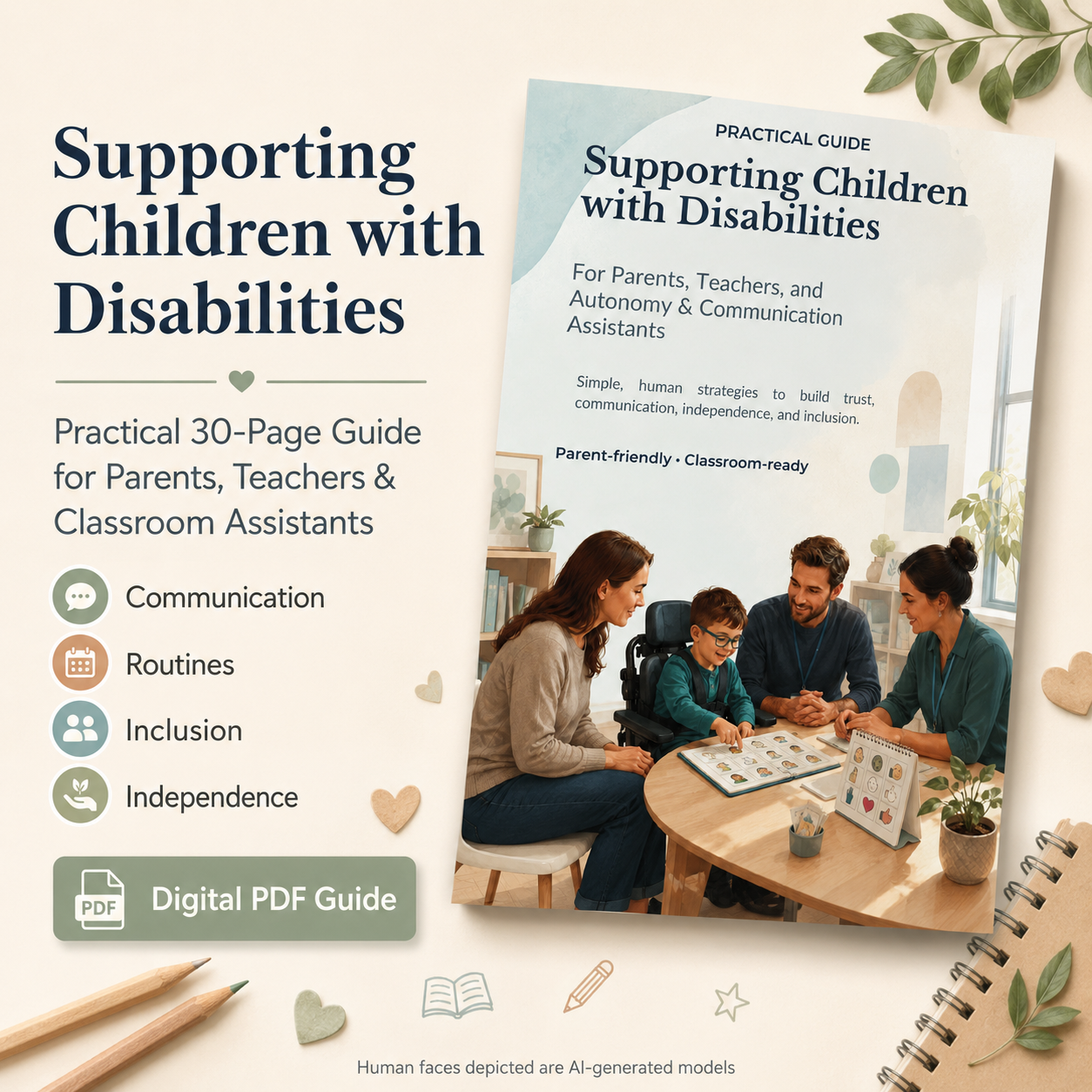


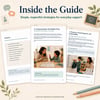



Supporting Children with Disabilities Practical Guide for Parents, Teachers, and Classroom Assistants
Supporting Children with Disabilities Practical Guide
Supporting a child with disabilities can feel overwhelming when communication is difficult, routines change, stress builds, or behavior becomes hard to understand.
This practical 30-page ebook was created for parents, teachers, support staff, and Autonomy & Communication Assistants who want simple, respectful, and realistic strategies for everyday support at home and in the classroom.
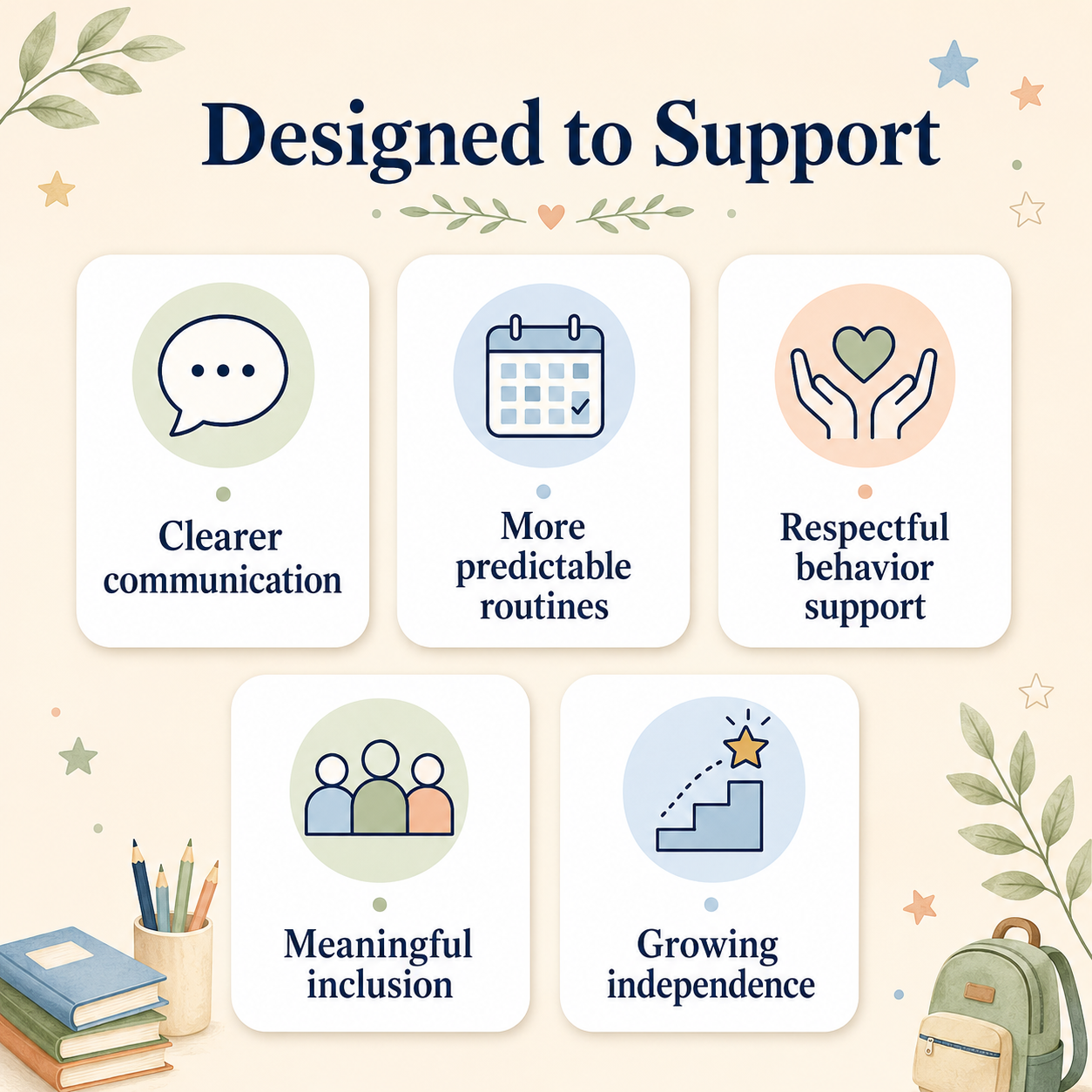
Inside this guide, you will find clear explanations, practical examples, reflection prompts, and visual support ideas designed to help adults build trust, reduce pressure, support communication, encourage independence, and promote meaningful inclusion.
This is not a medical or clinical manual. It is a parent-friendly and classroom-ready educational support guide focused on small daily actions that can make support more respectful, consistent, and effective.
Product Details
Product Type: Digital special education support guide
Format: PDF digital download
Language: English
Page Count: 30 pages
Print Size: 6 x 9 inches
Dimensions: 6 x 9 in
Audience: Parents, teachers, homeschool families, special education staff, classroom assistants, and Autonomy & Communication Assistants
Focus: Communication, emotional overload, visual supports, routines, behavior support, inclusion, independence, and family-school collaboration
Approach: Child-centered, inclusive, respectful, and practical
Preparation: No prep required — read digitally or print selected pages
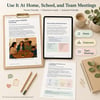
Use: Home, classroom, homeschool, support planning, reflection, and team discussions
License: Personal, classroom, and professional support use only. Not for resale or redistribution
Note: Educational support resource only. Not a substitute for medical, therapeutic, legal, or individualized school advice.
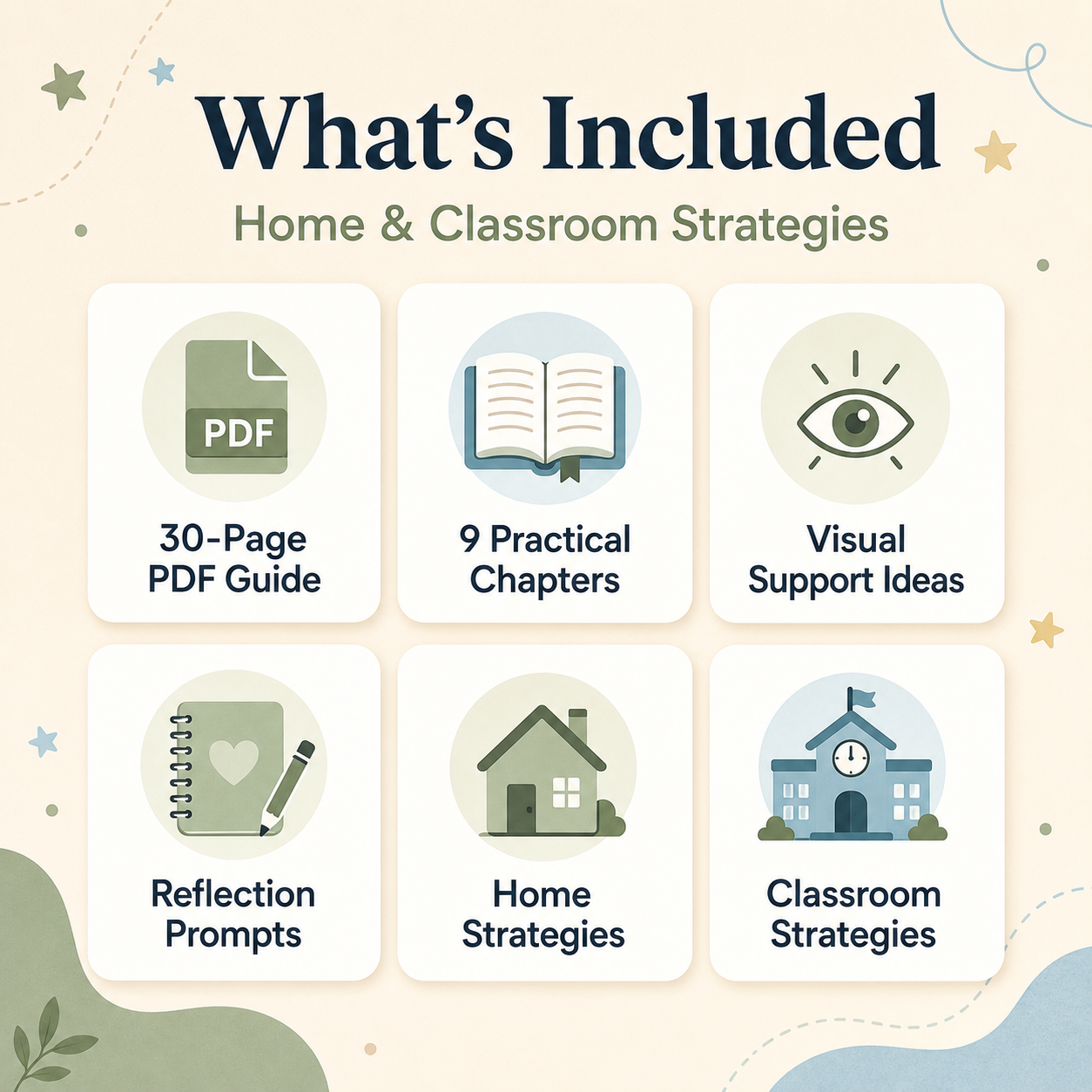
What’s Included
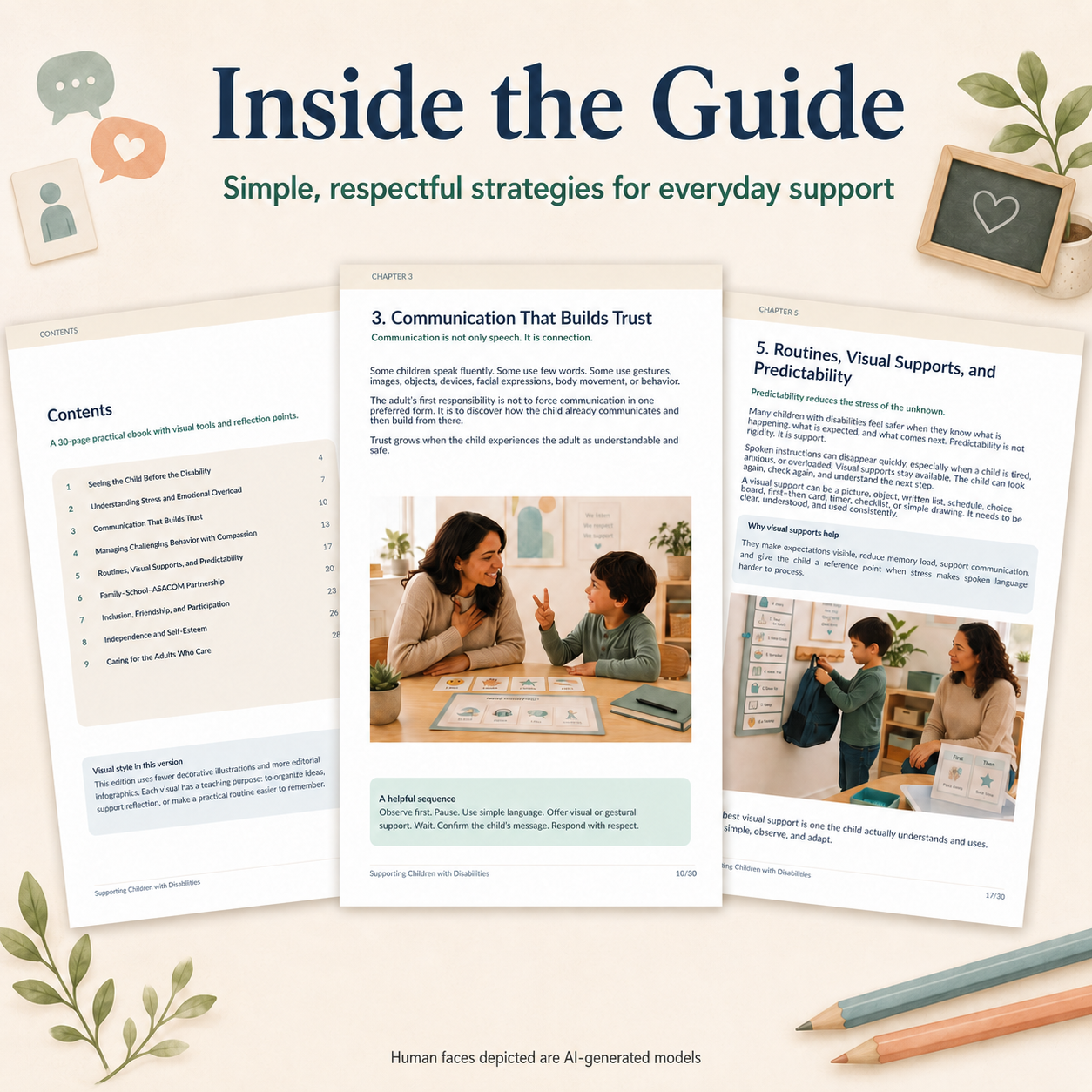
You will receive a 30-page PDF ebook covering:
- Seeing the child before the disability
- Understanding stress and emotional overload
- Communication strategies that build trust
- Compassionate ways to understand challenging behavior
- Routines, visual supports, and predictability
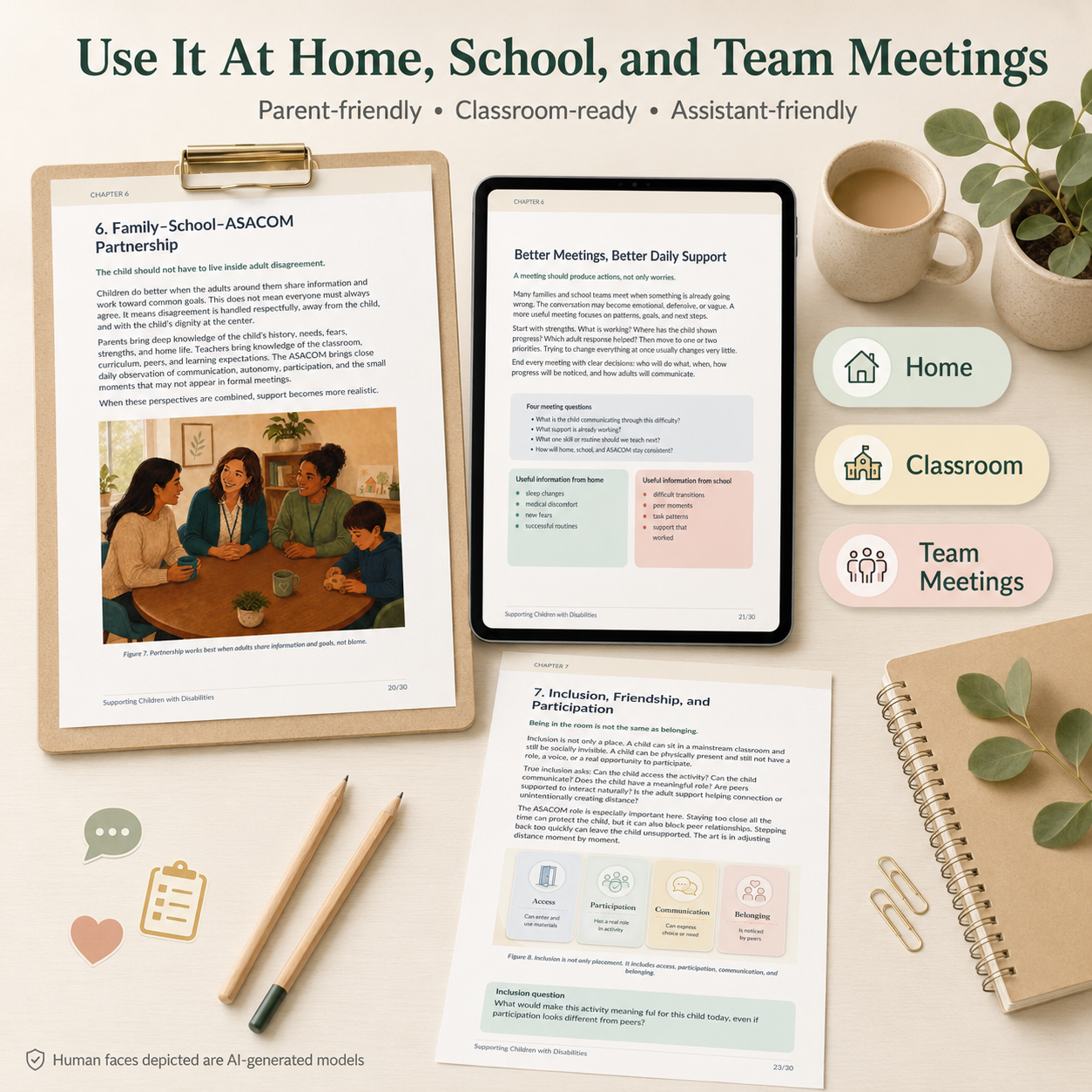
- Family, school, and assistant collaboration
- Inclusion, friendship, and participation
- Independence and self-esteem
- Support for the adults who care
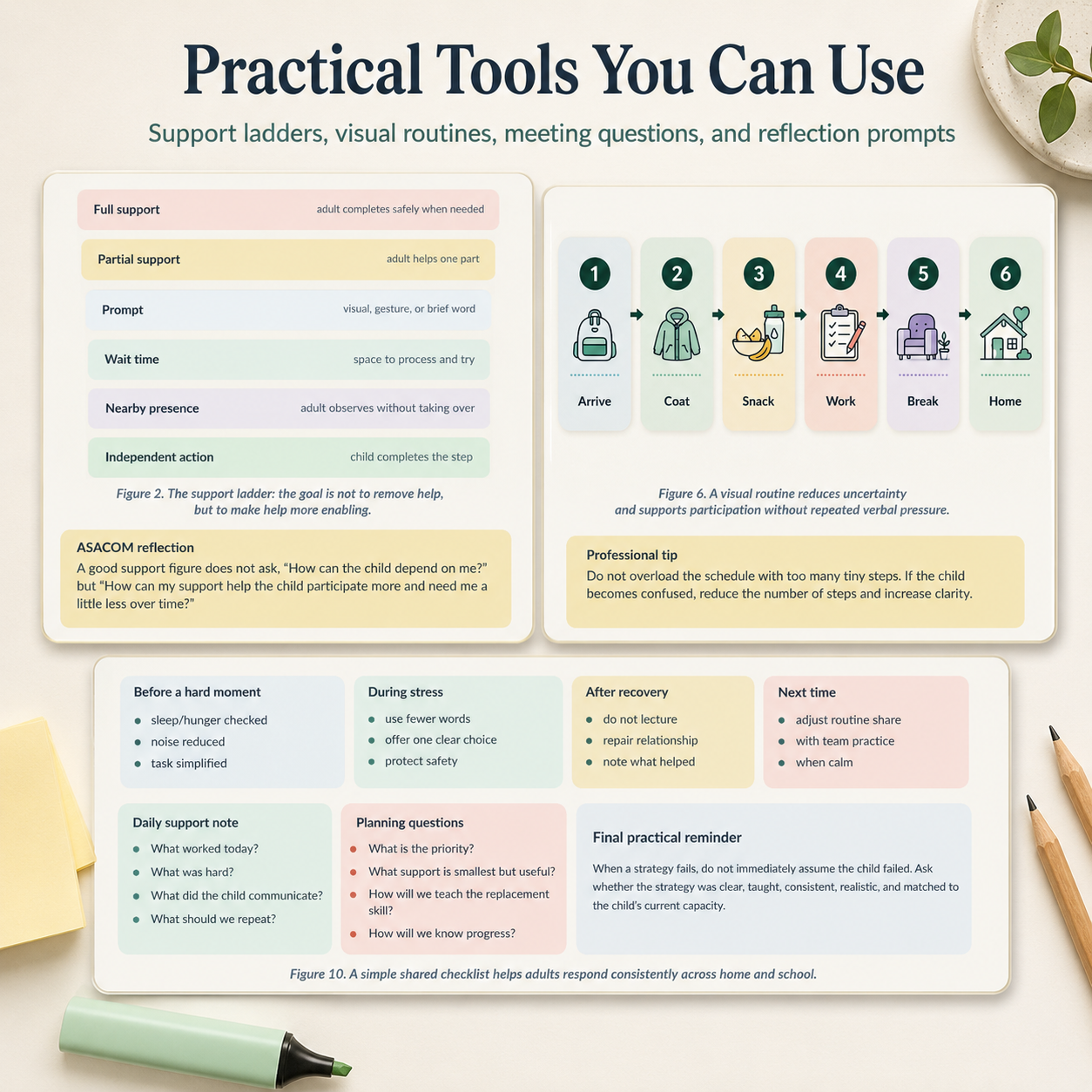
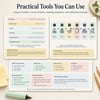
- Practical tools and reflection questions for daily use
Who This Guide Is For
This printable digital guide is ideal for:
- Parents of children with disabilities
- Teachers and special education staff
- Classroom assistants and support workers
- Autonomy and Communication Assistants
- Homeschooling families
- Inclusive education teams
- Adults looking for respectful, practical disability support strategies
How You Can Use It
Read the guide from beginning to end, or use each chapter when a specific challenge appears. You can also keep it as a reference for team meetings, classroom planning, parent reflection, or daily support conversations.
The guide includes practical language examples, visual routine ideas, support ladders, meeting questions, and simple tools to help adults respond with more clarity and less pressure.
Why It Helps
This guide supports adults in thinking beyond labels and behavior. It encourages respectful observation, simple communication, predictable routines, realistic support, and teamwork between home and school.
It is designed to help adults ask better questions, such as:
“What was hard for the child in this moment?”
“What is the smallest useful support I can give?”
“How can this child participate with dignity today?”
File Details
- Digital download only
- PDF format
- 30 pages
- English language
- Printable and easy to read on a tablet
- Designed for parents, teachers, and classroom support staff
- No physical product will be shipped
Important Note
This guide is for educational and practical support purposes only. It does not replace medical, psychological, therapeutic, legal, or school-specific advice. Every strategy should be adapted to the child’s individual needs, age, communication style, safety, culture, and context.
Download this practical guide today and start building calmer, clearer, and more respectful support around the child.