
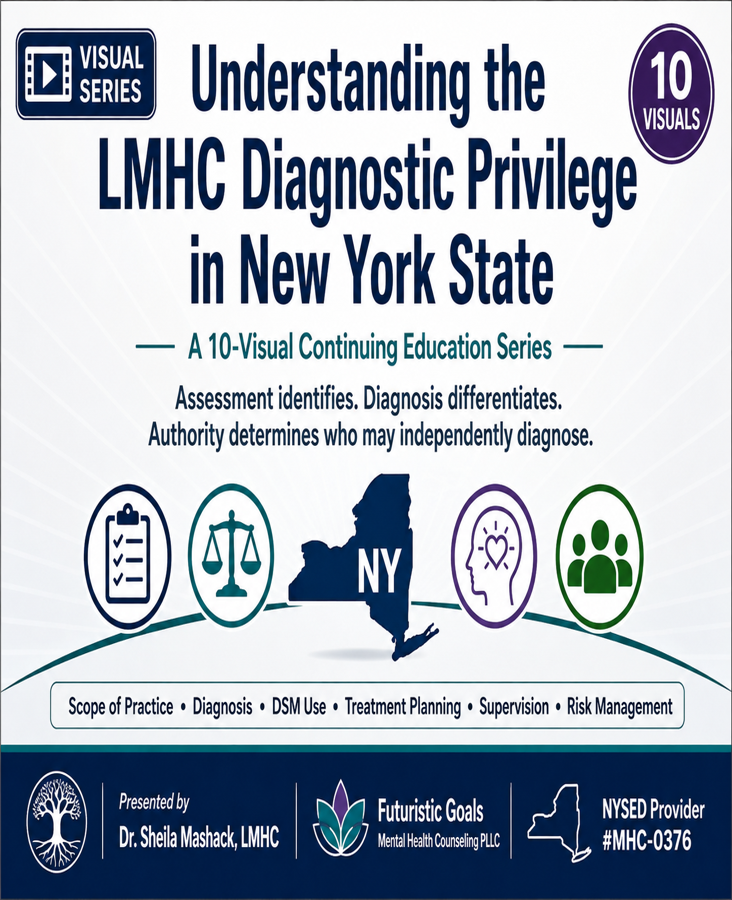
Understanding the LMHC Diagnostic Privilege in New York State
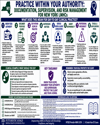
Understanding the LMHC Diagnostic Privilege in New York State is a practical, easy-to-follow resource designed to help Licensed Mental Health Counselors, supervisors, students, and behavioral health professionals understand New York’s evolving requirements related to diagnosis, assessment, and treatment planning.
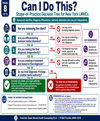
This resource explains what the LMHC Diagnostic Privilege means, why it matters, and how it affects clinical practice in New York State. It breaks down important information about diagnostic authority, assessment-based treatment planning, education and supervised experience requirements, and key transition dates for currently licensed LMHCs.
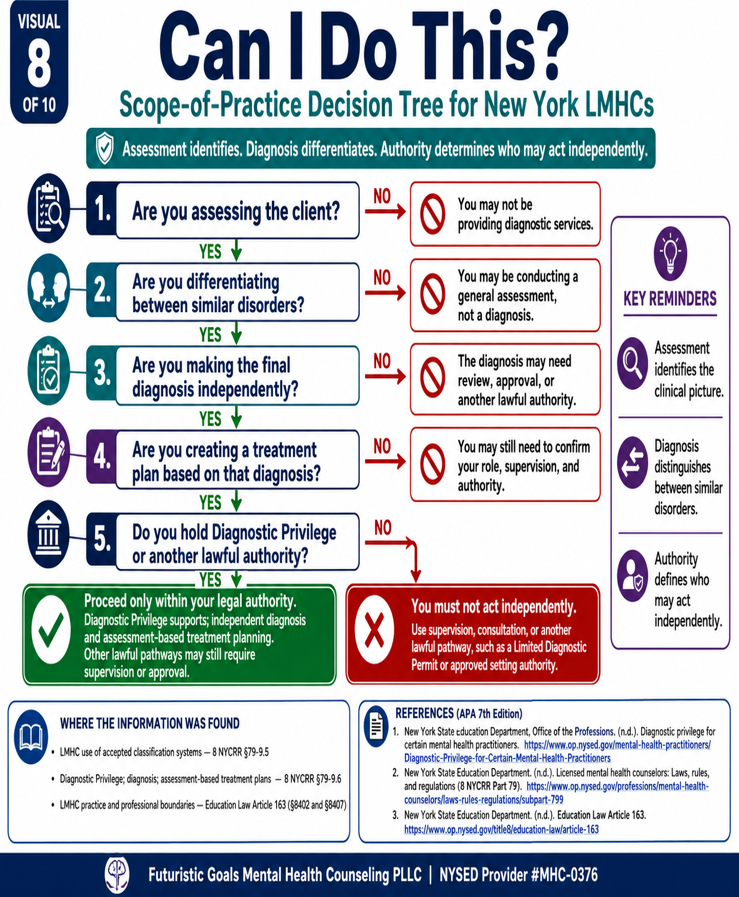
Rather than simply reviewing regulations, this book helps clinicians connect the requirements to real-world mental health practice. It is especially useful for professionals who want a clearer understanding of the difference between general assessment, diagnosis, and practicing under the Diagnostic Privilege.
This resource may be helpful for:
- New York Licensed Mental Health Counselors
- LMHCs pursuing the Diagnostic Privilege
- Mental health counseling supervisors
- Graduate counseling students
- Behavioral health agencies and clinical administrators
- Clinicians seeking greater clarity about diagnostic responsibilities in New York
Topics include:
- Understanding the LMHC Diagnostic Privilege
- General assessment versus diagnosis
- Assessment-based treatment planning
- Education and supervised experience requirements
- Important New York State dates and transition requirements
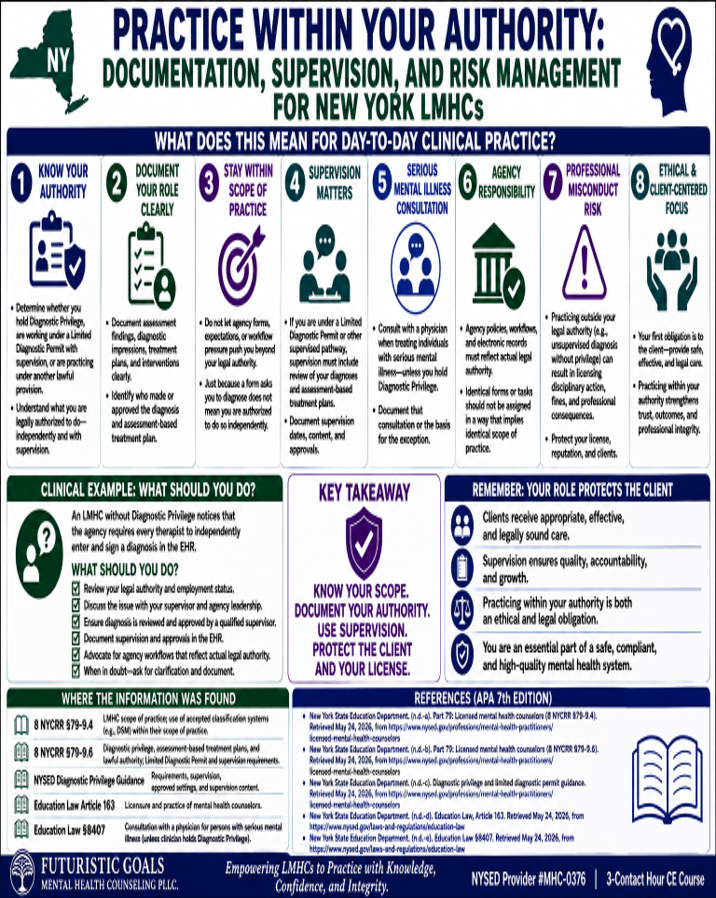
- Clinical scope and professional responsibilities
- Practical considerations for LMHC practice
Whether you are preparing to pursue the Diagnostic Privilege, supervising counselors, or simply trying to understand how the new requirements affect LMHC practice, this resource provides a clear foundation for navigating this important change in New York mental health counseling.