



Paperback - Prosperity In Every Postcode: Build Organisations That Turn Devolution into Economic Development and Growth
Prosperity In Every Postcode: UK Paperback Book Version.
Devolution is arriving faster than the capability to use it. How to move from dreaming to delivery.
[EDAS members have access to a discount code which reduces the price to £10.99 - for details, see the member's area on the relevant ESDA website or review your EDAS email newsletters]
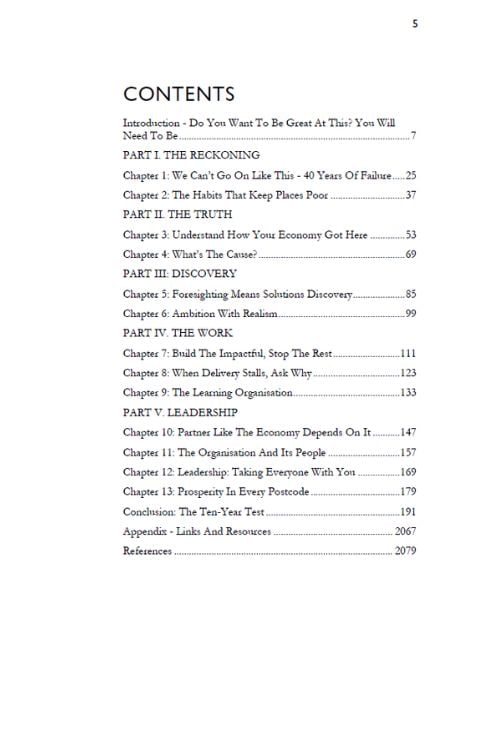
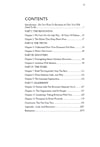
This book is a guide to building great economic development teams and organisations, with advice on decision-making, prioritisation, programme management, performance monitoring, evaluation, team building, management, leadership and partnership working. More details at www.prosperityineverypostcode.com
England is handing mayors and combined authorities more power and more money than at any point since the Regional Development Agencies closed in 2012. Integrated settlements. Multi-year budgets. Real discretion over transport, skills, housing and business support. The question Whitehall cannot answer for you is whether your organisation is built to do anything useful with it.
Most are not. The people are rarely the problem - economic development attracts some of the most committed public servants in the country. The problem is that their organisations were designed for bidding, not delivering. Decades of churn taught local institutions to write compelling applications to short-lived national funds, then restructure when the fund closed. The Regional Growth Fund, the Towns Fund, the Levelling Up Fund: each one trained the sector in a skill that devolution now makes obsolete.
Prosperity in Every Postcode is not a catalogue of initiatives. Places already import too many interventions that worked elsewhere and failed at home. This is a book about the organisation behind the initiatives.
Glenn Athey sets out the five capabilities that separate places which compound their advantages from places which keep starting again:
- Evidence and analysis good enough to tell you what is actually happening
- Stakeholder relationships deep enough to reveal cause, not just symptom
- Knowledge of what works elsewhere, and the curiosity to keep looking
- A programme and project function that builds good delivery solutions and weeds out bad ones
- Monitoring, evaluation and continual improvement that proves the case back to government
Each gets its own chapter: what it looks like when a place has it, what it costs to build, who does the work, and what stops them. Every chapter closes with a practical standard: the observable features of a great economic development organisation, and five steps a team can start this quarter.
Glenn Athey has spent more than thirty years in UK economic development, on both sides of the funding relationship. He has worked at Scottish Enterprise, the London Development Agency, the East of England Development Agency and Centre for Cities, and served as Interim Executive Director of the Greater Cambridge Greater Peterborough LEP. He is an LPIP Research Fellow at the University of Birmingham, researching why regional policy fails at the point of implementation, and author of The Local and Regional Economic Development Handbook.
For mayors, chief executives, directors of growth and regeneration, economic development officers, and anyone in central government wondering why devolved money keeps producing disappointing results.
The powers are arriving either way.
The capability is the part you have to build.