
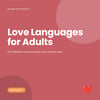
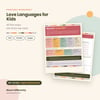
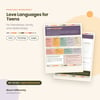
Love Languages for Adults, Teens, and Kids
On Sale
$999.99
Love Languages for Adults
The different ways we give and receive care.
We don’t all show love, or feel loved, in the same way. One person feels most cared for when someone says “I’m proud of you.” Another feels it when someone quietly does the dishes. This two-page guide gives partners, parents and families a shared language for noticing care, including care that’s easy to miss.
What’s inside
- The five love languages: words of affirmation, quality time, acts of service, gifts and physical touch, each with what it looks like and how it shows up with kids.
- Giving vs. receiving: why we often give love the way we like to receive it, and how that leads to missed care.
- Clues to your love language: four reflection questions, including what hurts most when it’s missing.
- What the research actually says: an honest note that most people do best with a mix of all five, and that paying attention to what someone says they need matters most.
- Gentle cautions: love languages change, they’re not a test anyone can fail, and they never excuse harm.
- Neurodivergent love languages: infodumping, pebbling, parallel play, support swapping and deep pressure, each with tips on how to receive it.
- Sensory needs and love: respecting sensory needs as a way of loving someone.
- My Love Language Mix: rate how much each kind of care fills your cup and how often you give it.
Who it’s for: couples, parents and adults working on relationships. It’s useful for individual, couples and family therapy.
Why it’s different: it’s honest about the research, safety-aware (no one is owed touch) and neurodivergent-affirming, with community-named love languages that help families see love that was there all along.