
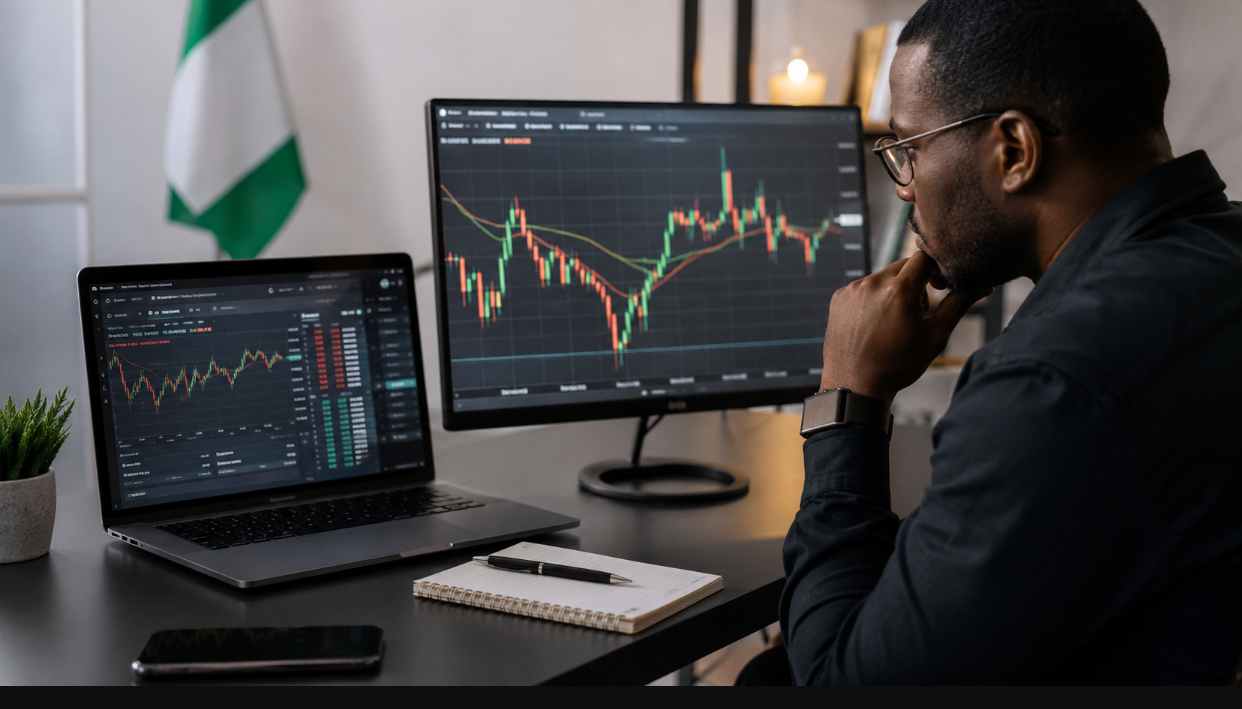
Understanding Automated Forex Trading And Contracts For Difference
Forex auto trading has attracted attention from people interested in understanding how technology can support financial market activities. Automated systems use predefined instructions to analyse market conditions and execute orders when specified requirements are met. Although automation can reduce repetitive tasks, it does not remove the financial risks associated with trading.
Traditional trading often requires users to monitor price movements and decide when to enter or exit positions. Automated systems approach this process differently. They follow programmed rules, which may include technical indicators, price levels, and specific market conditions.
One advantage of automation is consistency. A system can follow its programmed instructions without changing its approach because of temporary emotions. However, the quality of its performance depends on the strategy, market conditions, and accuracy of the underlying programming.
Backtesting is an important part of evaluating automated strategies. It involves examining how a trading system would have performed using historical market data. While this process can reveal weaknesses, previous results cannot guarantee similar outcomes in future market conditions.
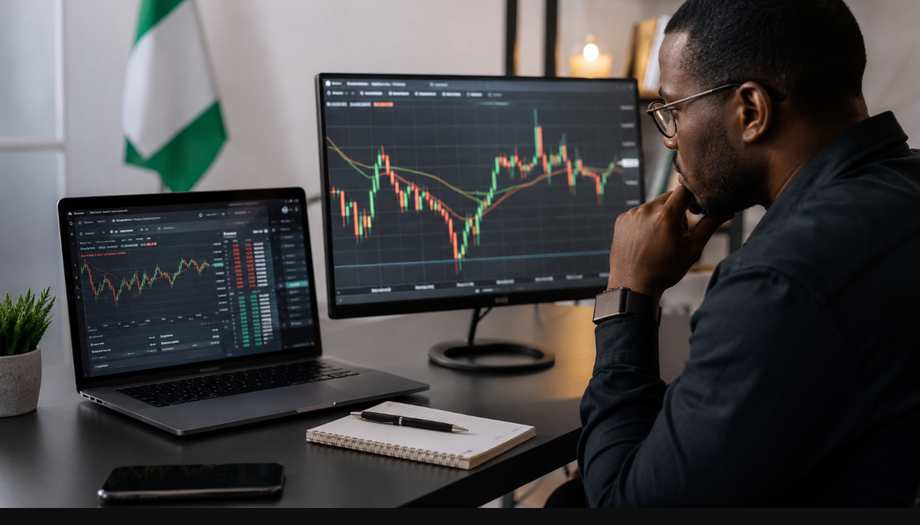
Another area worth understanding is contracts for difference. CFDs are financial derivatives that allow traders to speculate on price movements without owning the underlying asset. They can cover markets such as currencies, indices, commodities, and shares, depending on the provider.
A trader cfd user should understand how leverage works before considering any position. Leverage allows exposure to a larger market position with a smaller initial deposit, but it also increases the impact of adverse price movements. Losses can occur quickly when markets move unexpectedly.
Costs also deserve attention. Spreads, overnight financing charges, commissions, and other applicable fees can influence the overall trading experience. Comparing these details helps users understand the conditions attached to different financial products.
Demo accounts offer a useful way to explore automated features and CFD trading without immediately risking real funds. Users can test platform functions, practise order placement, and observe how different market conditions affect hypothetical positions.
Technology can make trading processes more accessible, but successful participation requires knowledge and realistic expectations. Understanding automated strategies, reviewing their limitations, and learning the mechanics of CFDs can help individuals make more informed decisions in financial markets.