

Reliable Generator Repairs for Uninterrupted Backup Power
Keeping Backup Power Reliable Through Regular Maintenance
A sudden power outage can interrupt business operations, affect household comfort, and create unexpected challenges for anyone relying on electrical equipment. A dependable generator can reduce these disruptions, but only when it receives proper maintenance and timely repairs. Understanding how generators function, recognizing early warning signs, and addressing mechanical problems promptly are essential steps toward reliable backup power. PowerChampions of Greenville highlights the importance of generator care in maintaining consistent performance. This article explores common generator problems, practical maintenance strategies, and the value of professional repair services for long-term reliability.
Understanding the Importance of Generator Reliability
Generators provide electricity when the primary power supply becomes unavailable, making them valuable for homes, commercial buildings, healthcare facilities, and industrial environments. However, dependable operation requires more than simply owning a backup power system. Fuel delivery, electrical connections, battery condition, cooling components, and engine performance all influence functionality. For property owners, PowerChampions of Greenville represents a useful starting point for understanding generator service needs. Regular inspections can identify developing faults before they cause unexpected shutdowns, helping reduce inconvenience, protect essential equipment, and improve confidence in the availability of emergency electricity.
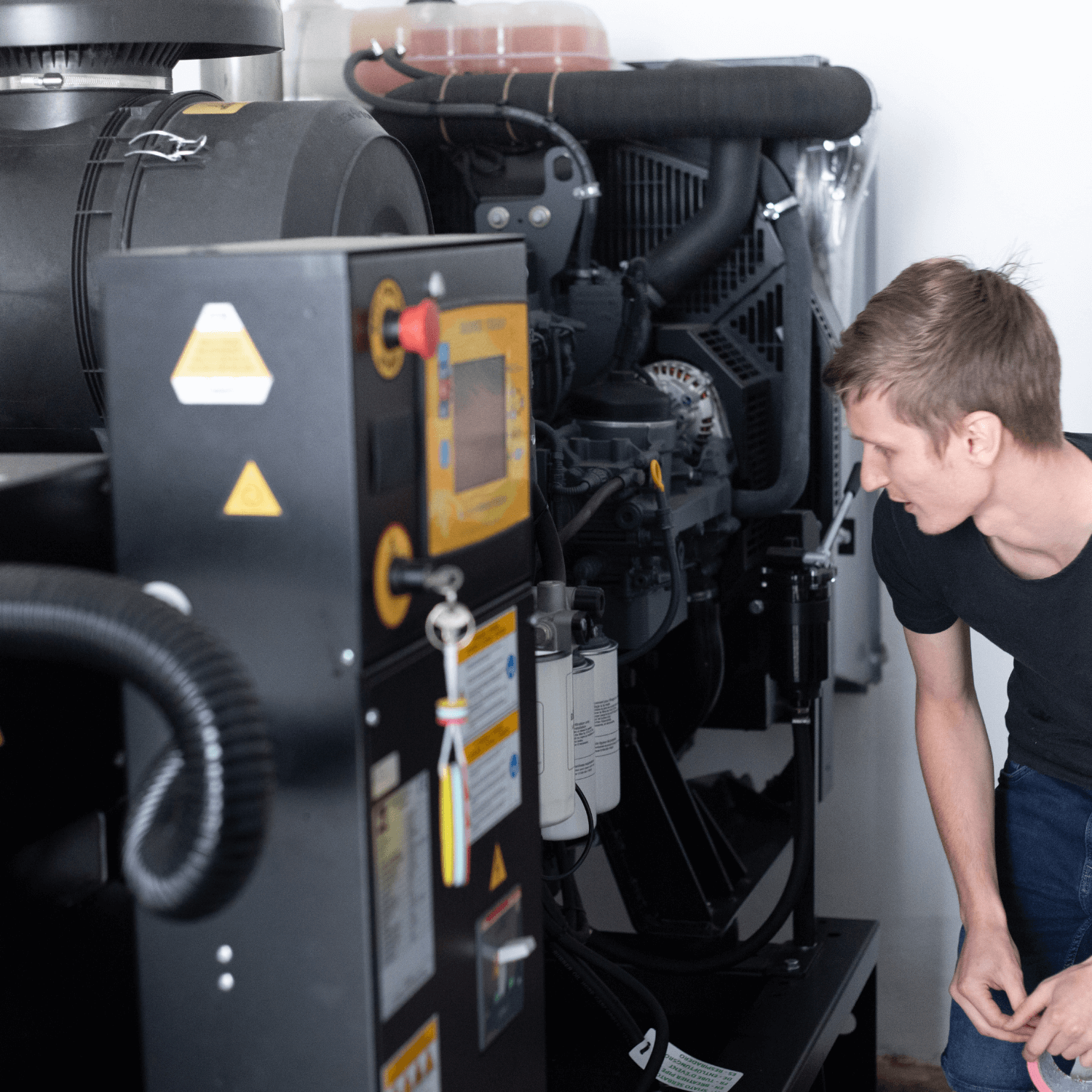
Common Generator Problems That Require Attention
Generators can develop several problems as components age or operating conditions change. Difficulty starting may indicate a weak battery, faulty starter, contaminated fuel, or an electrical connection problem. Irregular power output can result from damaged wiring, voltage regulation issues, or excessive loads. Overheating may point to restricted airflow, insufficient coolant, or cooling system damage. Unusual noises and excessive vibration can also indicate mechanical wear. Identifying these symptoms early allows technicians to investigate their underlying causes. Ignoring warning signs can lead to more extensive damage, longer downtime, and potentially higher repair expenses.
Why Timely Repairs Make a Difference
A generator that operates inconsistently may appear functional during routine testing but fail when electricity becomes unavailable. Prompt repairs help restore dependable operation and prevent minor defects from developing into more serious mechanical or electrical failures. Property owners seeking to Learn more about generator repairs can benefit from understanding how diagnostic testing identifies faults that are not immediately visible. Professional technicians can inspect critical components, evaluate system performance, and recommend suitable corrective measures. Timely attention also supports equipment longevity, reduces avoidable interruptions, and helps ensure that backup electricity remains available when essential household or business systems need it most.
Recognizing When Professional Generator Service Is Needed
Some generator maintenance tasks involve straightforward visual inspections, but electrical faults, fuel system problems, and engine repairs often require specialized knowledge. Persistent starting difficulties, repeated shutdowns, warning indicators, fuel leaks, and unusual exhaust conditions deserve careful evaluation. Anyone hoping to Learn more about generator repairs should understand that attempting complicated repairs without appropriate training can create safety risks. Qualified technicians use suitable diagnostic equipment and follow manufacturer recommendations when assessing generator condition. Professional assistance can help determine whether a component requires adjustment, repair, or replacement, while ensuring that the system is evaluated according to its design and operating requirements.
Preventive Maintenance for Long-Term Performance
Preventive maintenance helps identify deterioration before it interferes with generator operation. Depending on the model and manufacturer recommendations, servicing may include checking engine oil, inspecting filters, testing the starting battery, examining hoses, and verifying electrical connections. Fuel quality also deserves attention because contaminated or degraded fuel can interfere with combustion and starting performance. Regular operational testing helps reveal problems that may remain unnoticed while equipment sits idle. Maintenance schedules should reflect operating hours, environmental conditions, and the manufacturer's instructions. Consistent servicing can reduce unexpected breakdowns, support efficient operation, and help maintain dependable backup power over time.
The Role of Professional Diagnostics and Repairs
Effective generator repair begins with an accurate diagnosis rather than replacing components based on assumptions. Technicians typically assess reported symptoms, inspect relevant systems, and perform appropriate electrical or mechanical tests to identify the source of a malfunction. Depending on the findings, corrective work may involve battery replacement, fuel system cleaning, wiring repairs, cooling system service, or engine component repairs. After the work is completed, suitable testing helps confirm that the generator operates as intended. Clear explanations of the problem, recommended solutions, and future maintenance requirements also help property owners make informed decisions about equipment care and repair priorities.
Improving Safety Around Backup Power Equipment
Generator safety is an essential part of reliable operation, particularly when equipment runs during severe weather or extended outages. Portable generators must never operate inside homes, garages, or other enclosed spaces because exhaust can contain deadly carbon monoxide. They should be positioned outdoors in a well-ventilated location, away from doors, windows, and air intakes, following manufacturer guidance and applicable safety requirements. Permanent standby systems also require appropriate installation, transfer equipment, and professional electrical connections. Regular inspections can help identify damaged cables, fuel leaks, and other hazards before operation. Safe handling and proper installation protect occupants while supporting dependable emergency power.
Choosing a Practical Generator Care Strategy
An effective generator care strategy combines scheduled maintenance, timely troubleshooting, and informed decisions about professional service. Property owners should retain maintenance records, follow recommended service intervals, and arrange inspections when equipment displays unusual behavior. Understanding the generator's capacity is equally important because excessive electrical demand can affect performance and place unnecessary strain on components. Before severe weather seasons, a professional assessment can help identify potential weaknesses and confirm operational readiness. Although maintenance involves an ongoing investment, preventing avoidable failures can reduce disruption and support the useful life of the equipment. Consistent attention makes backup power a more dependable resource.
Conclusion
Reliable backup electricity depends on preparation, responsible equipment use, and timely attention to developing problems. Understanding common faults, maintaining essential components, and seeking qualified assistance when necessary can help prevent unexpected generator failures. Property owners looking for additional service information can explore greenville.power-championsom to understand available support and generator care options. Ultimately, a proactive approach to maintenance and repairs helps protect essential electrical systems, limit unnecessary downtime, and improve confidence during power interruptions. By prioritizing safety, routine inspections, and appropriate professional servicing, households and businesses can keep backup power systems better prepared for unexpected electrical disruptions.