Your Cart
Loading

The Chaplaincy Course

A chaplaincy course helps those who study it by preparing them to offer meaningful spiritual, emotional, and pastoral care in moments of crisis, loss, and transition. It equips students with the skills to serve people from diverse backgrounds with sensitivity, wisdom, and respect, while remaining grounded in their faith and calling. Through training in presence, listening, ethics, and practical ministry, the course shapes compassionate leaders who can bring comfort, hope, and stability into hospitals, prisons, schools, the military, and communities, making a real and lasting impact where people are most vulnerable.

The Rewards of Christian Chaplaincy Work

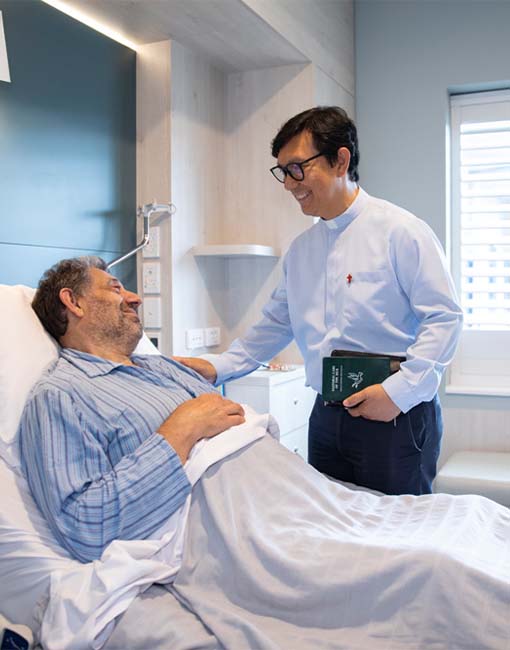
Christian chaplaincy is deeply rewarding because it allows believers to bring God’s presence into the lives of those in need. Chaplains serve people in hospitals, prisons, schools, workplaces, and the military, offering comfort, hope, and guidance during times of crisis, grief, or uncertainty. Being a source of encouragement and spiritual support allows chaplains to witness God’s work in real and tangible ways, strengthening both the chaplain’s faith and the faith of those they serve. The joy of seeing someone find peace, forgiveness, or renewed purpose through pastoral care is a unique and lasting reward.

Another reward of Christian chaplaincy is the opportunity to grow personally and spiritually. Serving others in challenging situations develops patience, empathy, and humility, helping chaplains become more Christ-like in character. The work often requires prayer, discernment, and reliance on God, deepening the chaplain’s own relationship with Him. Encountering people from diverse backgrounds also broadens understanding, fosters compassion, and strengthens the ability to minister effectively in a variety of contexts, making chaplaincy a transformative experience for the servant as well as those being served.

Finally, Christian chaplaincy is rewarding because it offers a sense of purpose and eternal significance. Every act of listening, comforting, and guiding carries spiritual weight, as chaplains point others toward God’s love and salvation. Unlike many roles that focus solely on worldly achievements, chaplaincy allows believers to invest in lives in ways that can have eternal impact. This sense of calling, combined with the tangible difference made in people’s lives, brings fulfillment, meaning, and deep spiritual satisfaction that few other professions can match.

The Biblical Foundation of Chaplaincy

Chaplaincy is deeply rooted in Scripture, as the Bible calls God’s people to care for the spiritual and emotional needs of others. From the ministry of the prophets to Jesus’ own life, God’s servants were sent to comfort the hurting, guide the lost, and provide hope to the oppressed. Verses like Matthew 25:35–40, where Christ identifies with those in need, show that ministering to people in their suffering is not only an act of service but also an act of worship, reflecting God’s heart and compassion in tangible ways.

The role of a chaplain mirrors the pastoral calling outlined throughout the New Testament. Elders, pastors, and deacons were appointed to shepherd God’s people, provide counsel, and offer spiritual guidance (1 Peter 5:2–3; James 5:14). Chaplaincy extends this biblical principle beyond the church walls, bringing care into hospitals, schools, workplaces, prisons, and the military. Like biblical shepherds, chaplains minister to both physical and spiritual needs, serving as instruments of God’s love and guidance in the midst of real-life struggles.

Furthermore, the ministry of presence central to chaplaincy is biblical in nature. Scripture emphasizes the importance of comforting the afflicted, encouraging the weary, and interceding for others (2 Corinthians 1:3–4; Galatians 6:2). By offering listening ears, prayer, and guidance, chaplains fulfill the biblical mandate to “bear one another’s burdens,” making God’s care visible and accessible. Chaplaincy, therefore, is not just a practical service—it is a biblical calling to incarnate Christ’s love and mercy in every context where people face trials and uncertainty.

Cost of Course

Jason Burns, the author of this Christian Chaplaincy course, brings over 30 years of hands-on experience serving in a wide range of chaplaincy environments, including hospitals, prisons, schools, military settings, and community organizations. His extensive practical background gives him firsthand insight into the challenges, opportunities, and spiritual needs encountered in diverse ministry contexts. In addition to his practical experience, Jason holds a degree in Pastoral Theology from Manchester University, equipping him with a strong academic foundation in theology, pastoral care, and counseling principles. This combination of decades of real-world chaplaincy and formal theological training makes him exceptionally qualified to teach this course, offering students both expert guidance and practical wisdom for effective Christian ministry.

The Chaplaincy Course

$45.99
Chaplaincy work is increasingly important in today’s society as people face rising levels of stress, trauma, isolation, and spiritual confusion, creating many opportunities for Christian ministry. Hospitals, schools, prisons, the military, workplaces, emergency services, and community organizations are recognizing the need for trained chaplains who can provide spiritual care, emotional support, and ethical guidance. As traditional church connections decline for many, chaplains are uniquely positioned to bring Christian hope, compassion, and pastoral presence directly into everyday settings, allowing the gospel to be lived out through service, listening, and faithful spiritual care in places where people may never otherwise encounter Christian ministry.

Course curriculum

Course Title: Christian Chaplaincy: Principles and Practice

Duration: 30 Weeks

Format: Weekly 2–3 hour sessions )


Module 1: Foundations of Chaplaincy (Weeks 1–6)

  1. Week 1: Introduction to Chaplaincy – Definition, Purpose, and Biblical Basis
  2. Week 2: The Role of the Chaplain in Society – Hospitals, Military, Prisons, Schools, and Communities
  3. Week 3: Theological Foundations – God’s Call to Pastoral Care and Service
  4. Week 4: Biblical Models of Care – Shepherds, Prophets, and Jesus’ Ministry of Presence
  5. Week 5: Christian Ethics in Chaplaincy – Integrity, Confidentiality, and Boundaries
  6. Week 6: Understanding Spirituality – Biblical Concepts of Soul, Spirit, and Holistic Care

Module 2: Pastoral Counseling and Communication (Weeks 7–12)

  1. Week 7: Active Listening Skills – Empathy and Non-Verbal Communication
  2. Week 8: Providing Spiritual Guidance – Prayer, Scripture, and Discernment
  3. Week 9: Emotional Intelligence in Chaplaincy – Managing Stress, Grief, and Trauma
  4. Week 10: Conflict Resolution and Mediation – Biblical Approaches
  5. Week 11: Crisis Intervention – Responding to Emergencies and Trauma
  6. Week 12: Case Studies in Pastoral Care – Practical Application and Discussion

Module 3: Contextual Chaplaincy Ministry (Weeks 13–20)

  1. Week 13: Hospital Chaplaincy – Caring for the Sick, Families, and Staff
  2. Week 14: Military Chaplaincy – Serving Soldiers and Families in Unique Challenges
  3. Week 15: Prison Chaplaincy – Restorative Ministry, Counseling, and Rehabilitation
  4. Week 16: School and University Chaplaincy – Supporting Students and Staff
  5. Week 17: Workplace Chaplaincy – Spiritual Support in Professional Environments
  6. Week 18: Community Chaplaincy – Outreach, Crisis Response, and Disaster Relief
  7. Week 19: Cultural Awareness and Diversity – Serving Across Faiths and Traditions
  8. Week 20: Ethical Dilemmas in Chaplaincy – Discussion and Problem-Solving

Module 4: Practical Ministry Skills (Weeks 21–26)

  1. Week 21: Pastoral Care Planning – Designing Individual and Group Support Programs
  2. Week 22: Spiritual Assessment – Identifying Needs and Resources
  3. Week 23: Counseling Techniques – Short-Term and Long-Term Approaches
  4. Week 24: Group Facilitation – Leading Support Groups and Devotions
  5. Week 25: Self-Care for Chaplains – Avoiding Burnout and Maintaining Spiritual Health
  6. Week 26: Documentation and Reporting – Professional Standards and Confidentiality

Module 5: Practicum and Ministry Integration (Weeks 27–30)

  1. Week 27: Field Placement Preparation – Expectations and Objectives
  2. Week 28: Supervised Ministry Practice – Hospital, Community, or Institutional Settings
  3. Week 29: Reflection and Case Study Review – Lessons Learned and Challenges Faced
  4. Week 30: Graduation Project and Presentation – Personal Chaplaincy Philosophy and Ministry Plan

Course Outcomes:

  • Biblical understanding of chaplaincy as a ministry of presence and care.
  • Skills in counseling, listening, crisis intervention, and spiritual guidance.
  • Ability to serve in hospitals, prisons, schools, military, and community contexts.
  • Ethical awareness, cultural sensitivity, and personal resilience for ministry.
  • Practical experience through supervised fieldwork and reflection.