


Toni Morrison's Beloved (1987)- A Newsletter Guide
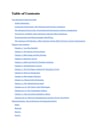
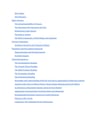
Explore a detailed scholarly study guide to Toni Morrison's Beloved, the Pulitzer Prize-winning novel that deals with the trauma and memory of slavery in American history.
This comprehensive resource provides detailed chapter summaries, character analysis of Sethe, Paul D, Denver, and Baby Suggs, and exploration of major themes including the impact of slavery, dehumanization, Black motherhood, and the supernatural.
Analyze Morrison's masterful literary techniques—nonlinear narrative, free indirect discourse, magical realism, and the symbolic use of milk, the chokecherry tree, and the ghost Beloved. Understand the historical context of the Margaret Garner case, the Fugitive Slave Act, Reconstruction, and the neo-slave narrative tradition. Engage with critical perspectives including trauma theory (Cathy Caruth), psychoanalytic readings, Black feminist criticism, and postmodern historiographic metafiction.
Why did Sethe kill her daughter? Is Beloved a ghost or a real person? What does rememory mean? This guide answers these questions and supports AP Literature, university courses, and research papers. Perfect for students and educators seeking a detailed analysis of Beloved's narrative structure, symbolism, and enduring relevance. Toni Morrison's masterpiece speaks to the unhealed wounds of the past and the possibility of healing through collective memory. Includes essay prompts, key quotes, and comparisons to slave narratives by Frederick Douglass and Harriet Jacobs. Whether you are writing a literary criticism paper, preparing for exams, or teaching African American literature, this resource delivers high-level academic insight. Discover how Morrison transforms historical trauma into a ghost story that haunts the American canon. Optimized for keywords: Beloved analysis, Toni Morrison, trauma and memory, Sethe, infanticide, neo-slave narrative, 124 Bluestone Road, Paul D tobacco tin, Baby Suggs sermon, magical realism, Pulitzer Prize, AP English study guide.