
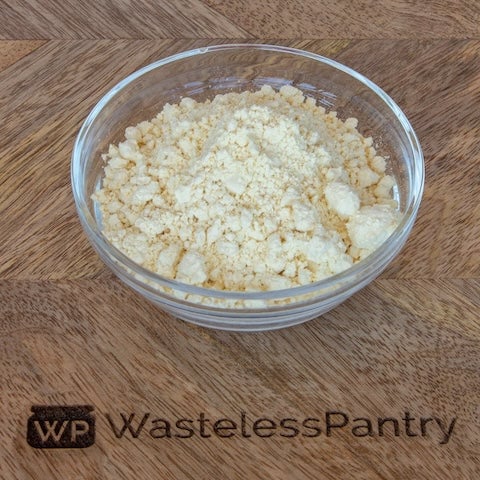
The Powerful Perks Of Chick Pea Flour: A Nutritious Kitchen Staple
Chickpea flour, also known as gram flour, besan, or garbanzo bean flour, has been a pantry staple in many parts of the world for centuries. Derived from ground-dried chickpeas, this naturally gluten-free flour is gaining popularity globally as a healthier alternative to refined flour. Whether you're exploring gluten-free cooking, looking for a protein boost, or want to switch up your culinary routine, chick pea flour offers a wide array of benefits for both health and flavor.
1. Packed with Nutrients
Chickpea flour is a nutritional powerhouse. It contains high levels of protein, fiber, and a variety of essential vitamins and minerals. Just one cup of chickpea flour provides:
- 20 grams of protein
- 10 grams of dietary fiber
- 25% of the daily recommended intake of iron
- Folate, magnesium, phosphorus, and zinc
This makes it a fantastic option for vegetarians and vegans looking to increase their protein intake without turning to animal products. The iron content, particularly, supports healthy red blood cell production and energy levels.
2. Gluten-Free and Easy to Digest
For those with celiac disease or gluten sensitivities, chickpea flour is a fantastic wheat flour alternative. Unlike many other gluten-free flours that are heavily processed or lacking in nutrients, chickpea flour is both whole-food-based and gentle on the digestive system. Its high fiber content supports healthy digestion and promotes regular bowel movements.
3. Supports Blood Sugar Control
Thanks to its low glycemic index and high fiber content, chickpea flour is an excellent choice for people managing diabetes or trying to maintain stable blood sugar levels. Fiber slows down the absorption of sugar into the bloodstream, preventing the spikes and crashes that are often associated with refined flours. Plus, the protein in chickpea flour helps to increase satiety, reducing overall calorie intake.
4. Promotes Heart Health
The nutrients found in chickpea flour—especially magnesium, potassium, and soluble fiber—are known to support heart health. Soluble fiber helps lower LDL (bad) cholesterol levels, while magnesium helps regulate blood pressure. Studies have also shown that diets rich in legumes, including chickpeas, are associated with reduced risk of cardiovascular disease.
5. Versatile in the Kitchen
One of the most exciting aspects of chickpea flour is its versatility. Its slightly nutty, earthy flavor makes it suitable for both sweet and savory dishes. It also makes a great thickening agent for sauces and soups, and it can be used to create gluten-free versions of breads, muffins, and even pizza crusts. When mixed with water, chickpea flour forms a batter that can be used as a vegan egg substitute in recipes like quiches, frittatas, and scrambles.
6. Budget-Friendly and Sustainable
Chickpea flour is generally affordable and widely available in health food stores and international markets. Plus, chickpeas are a sustainable crop, requiring less water than many other protein sources and helping to improve soil fertility through nitrogen fixation.
Conclusion
Whether you're looking to diversify your diet, improve your nutrition, or explore new culinary traditions, chick pea flour is an ingredient worth getting to know. With its impressive nutrient profile, digestive benefits, and remarkable versatility, it’s a smart addition to any kitchen. Try swapping out traditional flour in your next recipe or experimenting with dishes from cultures that have long embraced the power of chickpeas—you might discover a new favorite.