

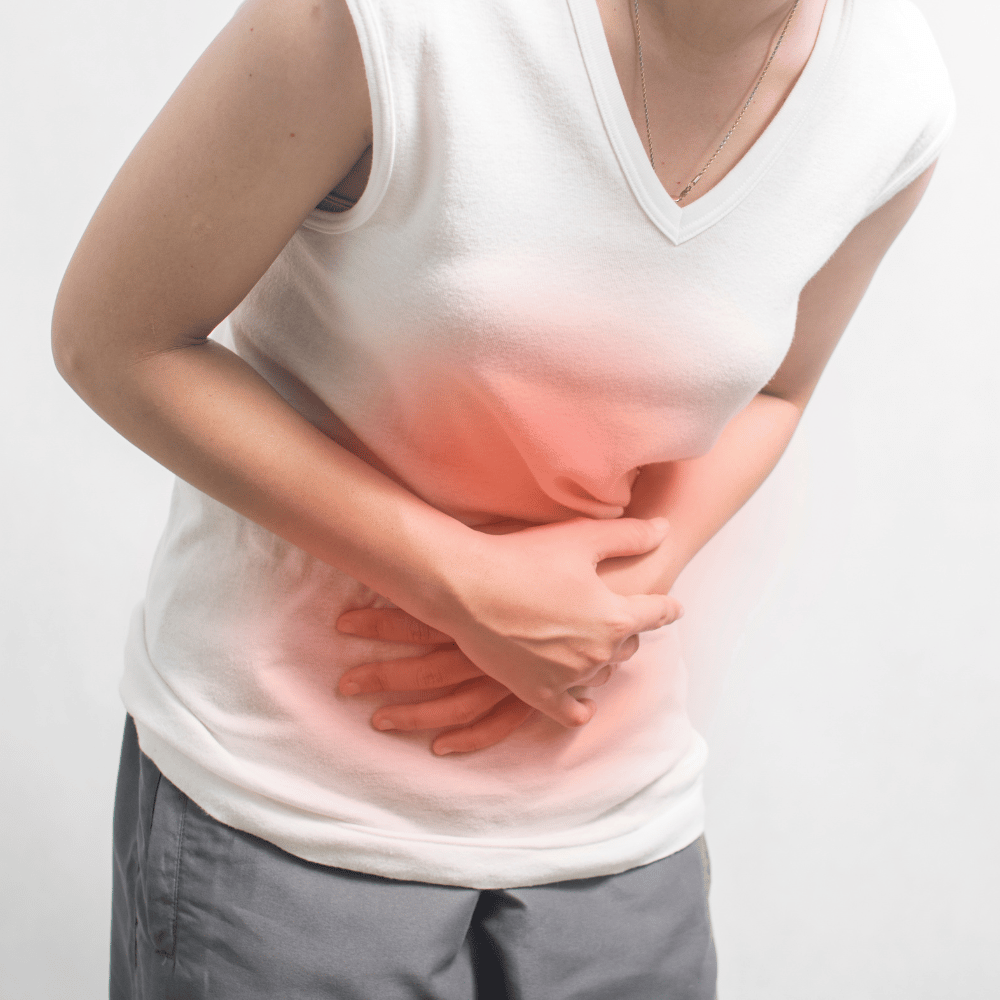
Understanding your Symptoms and Taking Action
When your gut feels bloated, pressured, or reactive for no clear reason, it’s usually a sign that the gut environment has become disrupted over time.
This guide helps you understand why it’s happening, and the simple steps you can take that begin to settle things quickly.
Inside, you’ll discover:
- Why bloating and distension happen — the real reason food ferments too early, and how to reduce it.
- Foods that soothe a sensitive gut — gentle, low‑fermentable options that support calmer digestion.
- What you can do today — immediate steps to reduce pressure, irritation, and reactivity.
Your gut isn’t failing you — it likely just needs a short period of calm, consistency, and the right kind of support to reset.
What You May Feel in 3–7 Days:
Most people notice early shifts such as:
- Minimised digestive discomfort
- Less pressure or tightness under the ribs
- Fewer “reactive” episodes after meals
- Reduced evening swelling
- More predictable digestion and less urgency
These changes happen because the gut lining begins to calm, fermentation reduces, and the digestive environment becomes more stable.
This guide is ideal for:
- Aged 40+ experiencing bloating, discomfort, or unpredictable digestion
- Those who feel reactive to foods they used to tolerate
- Anyone wanting a natural, non‑medicated way to calm their gut
- People who want clear, clinical explanations without overwhelm or jargon
This guide is not suitable for:
- Anyone with red‑flag symptoms (unexplained weight loss, persistent vomiting, blood in stool) — these require medical assessment
- People needing urgent or personalised medical advice
- Those currently under investigation for a diagnosed gastrointestinal condition who must follow clinician‑specific instructions
- Individuals looking for a quick‑fix
What's inside:
1. Why your gut feels irritated, reactive, or unpredictable
2. The most common triggers
Gut irritation
Early fermentation
Digestive motility has become irregular
Microbial imbalance
Abdominal wall tension (cramping)
Lifestyle triggers
3. Foods that commonly trigger symptoms
4. Foods that may help reduce symptoms
5. What you can do today to reduce symptoms
6. When To Seek Extra Support