
The Job
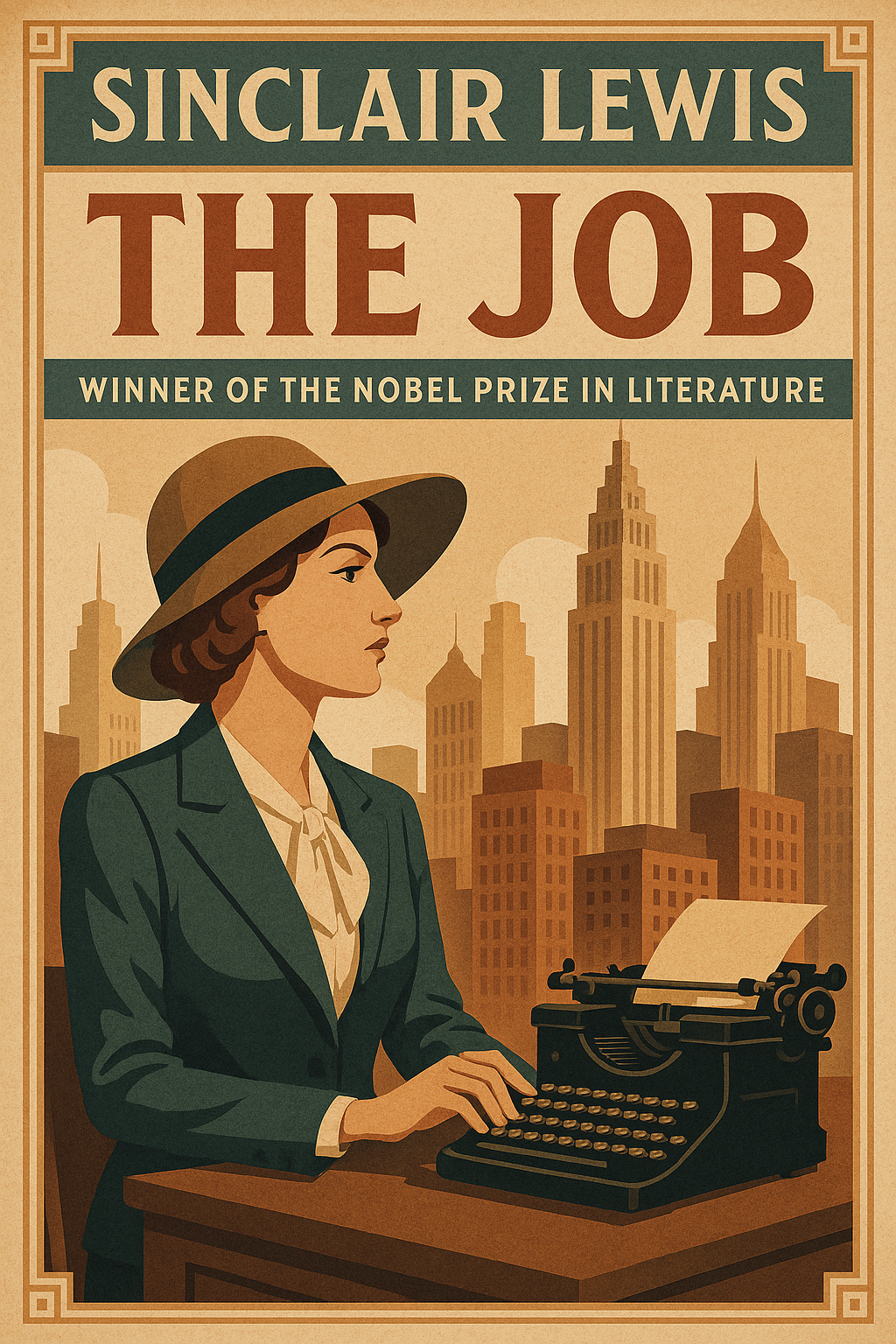
Sinclair Lewis’s The Job is a groundbreaking novel that delves into the life of Una Golden, a fiercely ambitious woman determined to defy societal norms and achieve professional success in early 20th-century America. Set against the backdrop of a rapidly modernizing New York City, the story follows Una as she leaves her stifling small-town life to pursue a career in the male-dominated business world. Through her struggles with workplace discrimination, societal expectations, and personal relationships, Una emerges as a trailblazer, challenging the limitations placed on women and redefining what it means to be independent. Lewis’s incisive prose and keen social commentary make The Job a timeless exploration of gender, ambition, and the pursuit of self-worth.
Una’s journey is both inspiring and heart-wrenching as she navigates the complexities of love, career, and identity. From her early days as a stenographer to her rise in the corporate world, Una faces countless obstacles, including condescending colleagues, romantic entanglements, and the constant pressure to conform. Yet, her resilience and determination shine through, offering a poignant reflection on the sacrifices and triumphs of women striving to break free from traditional roles. Lewis masterfully captures the tension between personal ambition and societal constraints, creating a protagonist whose struggles remain strikingly relevant today.
The Job is more than just a story about a woman’s career—it’s a powerful commentary on the evolving roles of women in society and the enduring fight for equality. With its richly drawn characters and vivid portrayal of early 20th-century urban life, the novel is a testament to the courage it takes to defy expectations and forge one’s own path.
About the author
Sinclair Lewis (1885–1951) was an American novelist, playwright, and social critic, best known for his satirical portrayals of early 20th-century American society. The first U.S. writer to win the Nobel Prize in Literature (1930), his works—including Main Street, Babbitt, and Elmer Gantry—exposed the contradictions of middle-class life, capitalism, and conformity. A sharp observer of gender roles and industrialization, Lewis’s The Job (1917) stands as an early feminist exploration of women’s ambition and autonomy. His legacy endures as a fearless chronicler of American aspirations and hypocrisies.