
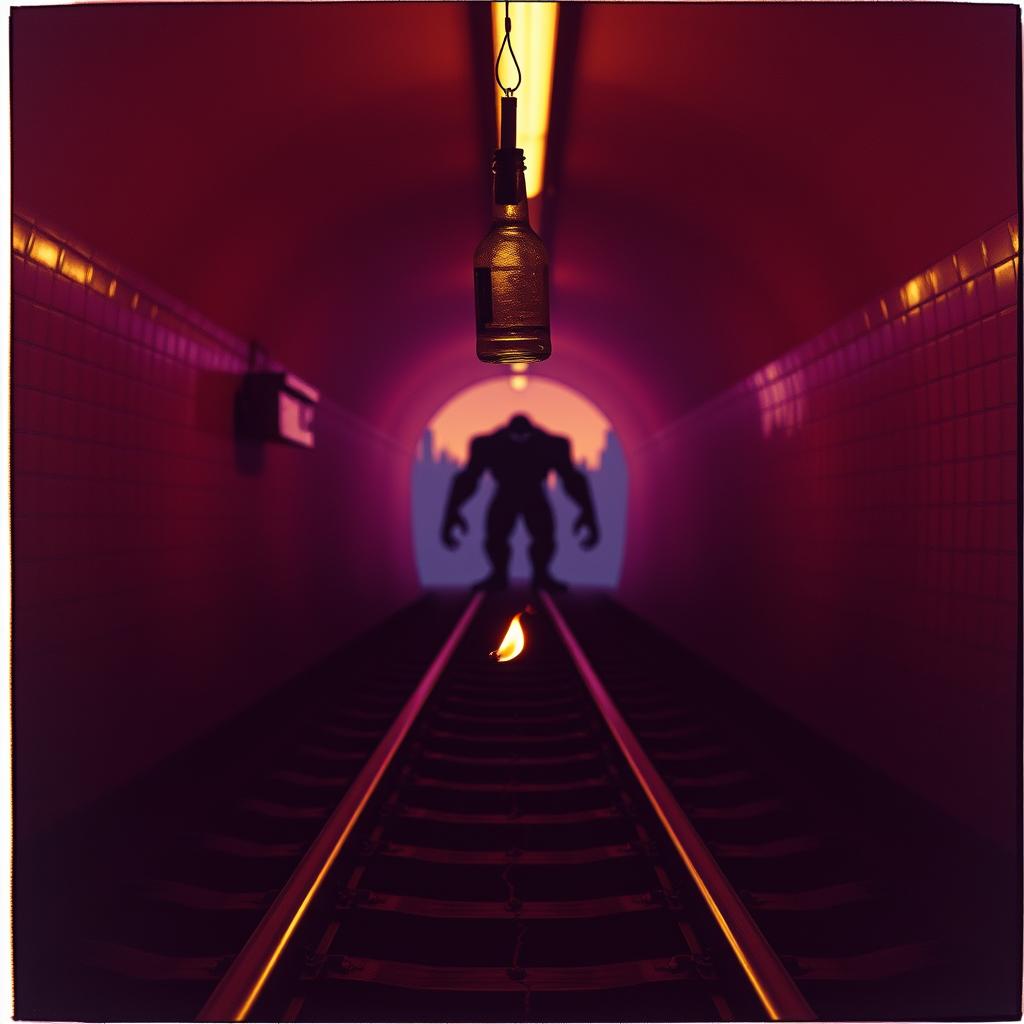
DOUBLE EDGED MEDICINE
This lyric is a raw, confrontational portrait of living with dual diagnosis, where mental illness and substance use don’t just coexist—they actively fuel and fight each other. It’s written from inside the storm, not looking back with distance or polish, which gives it credibility and weight.
Narrative & Voice
The speaker wakes up already fragmented—“borrowed skin,” “paper crown”—establishing dissociation, shame, and medical authority as fragile and impersonal. Doctors and diagnoses appear early, but they’re portrayed as labels imposed from the outside, not lived truths. The voice is defiant but exhausted, oscillating between rage, self-awareness, and survival.
Themes
- Dual warfare: The core idea is not “addiction vs. recovery” or “illness vs. health,” but two simultaneous wars happening in the same mind. The chorus nails this: neither side is the cure, and both take a toll.
- Medicalization vs lived reality: White coats, labels, and prescriptions contrast sharply with the visceral inner experience—voices, urges, compulsions, panic.
- Fragmented identity: Lines like “split by design, not by choice” and “I am not my diagnosis / I am not my vice” emphasize that the struggle is structural, not moral.
- Shame rejection: The lyric refuses the idea that willpower or simple choices are enough, directly challenging stigma and oversimplified recovery narratives.
Imagery & Language
The imagery is bodily, claustrophobic, and sharp: cracked tiles, loaded thoughts, breath on the neck, blood on the floor. These details keep the song grounded and uncomfortable in the best way. The repetition of “fight” reinforces endurance rather than victory—survival is the win.
Musical Impact
This is built for metal or hard rock:
- Verses feel tight and tense.
- Choruses are anthemic and explosive.
- The bridge/breakdown is perfectly positioned for a scream/spoken drop that feels like a mental snap.
- The final chorus escalates emotionally rather than resolving cleanly, which fits the subject honestly.
Overall
The lyric doesn’t romanticize addiction or recovery. It presents recovery as messy, painful, and non-linear, but still possible. The ending matters: not cured, not saved—standing. That makes it powerful, responsible, and deeply human.
This reads like a song meant to be shouted by people who finally feel seen.