
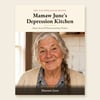
Mamaw June's Depression Kitchen
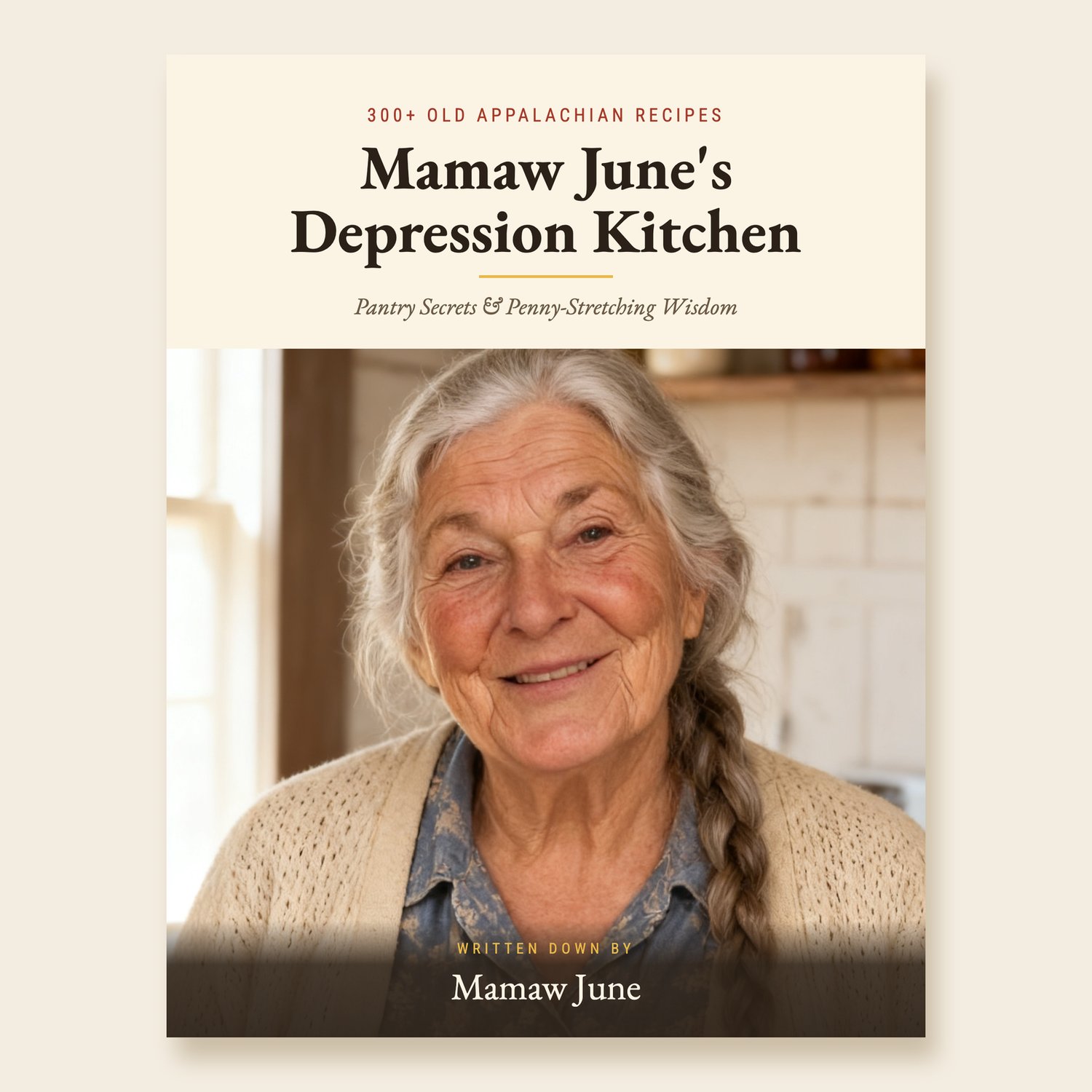
Mamaw June's Depression Kitchen
300+ Old Appalachian Recipes, Pantry Secrets & Penny-Stretching Wisdom
My mama was ten years old the autumn the banks went down, and she learned to cook in a house where the money simply stopped. I learned it at her elbow in the 1950s, standing on a chair with a bowl in my arms — and she never taught it to me as hardship. She taught it as a skill, the way you teach somebody to drive.
Nobody is teaching it any more. So I wrote all of it down.
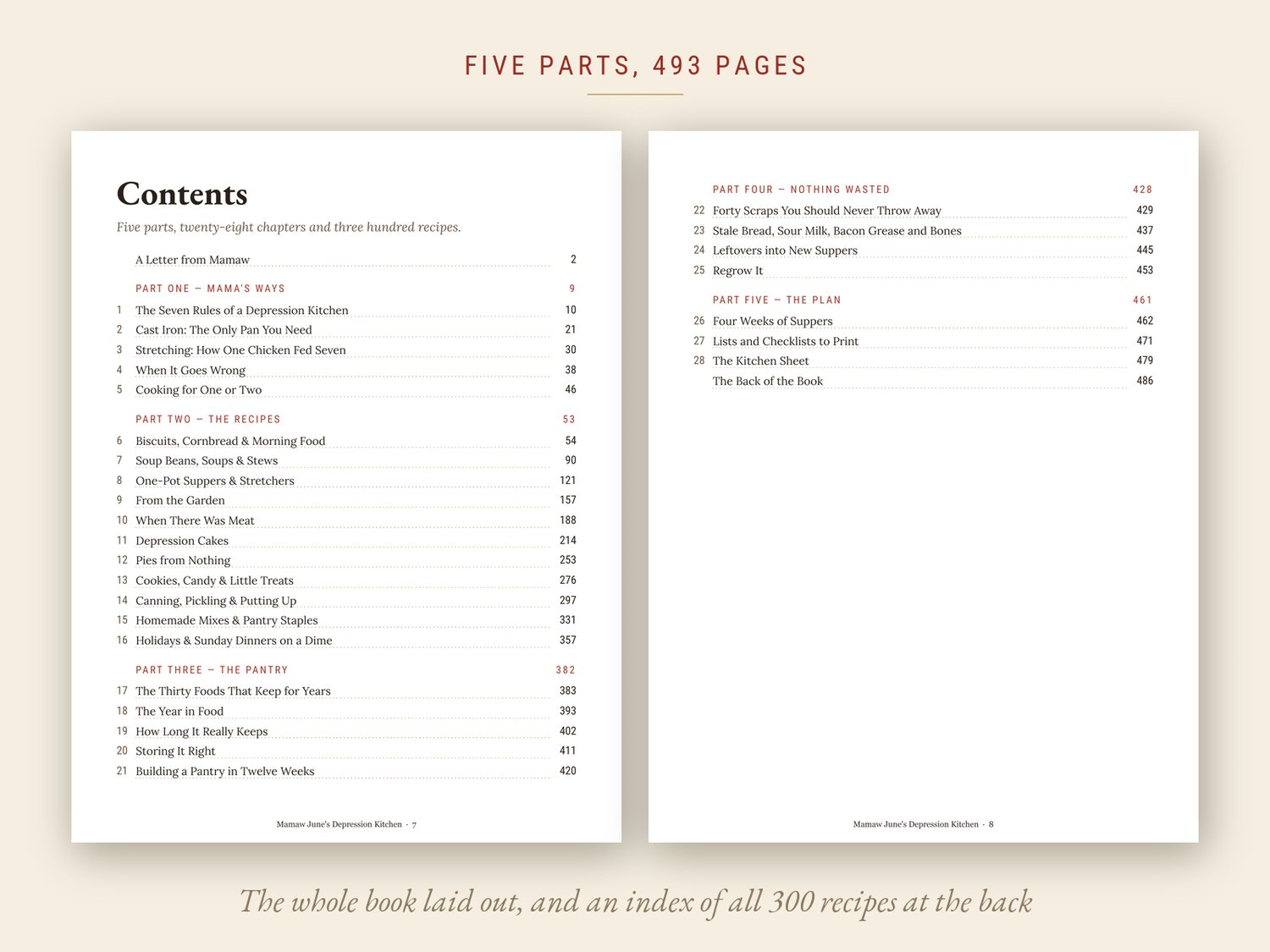
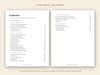
I am eighty-one, I cook for one now, in the little house Harlan built, and this is everything I know: 493 pages, 28 chapters, 300 recipes, and all the knowing that goes around them.
What is in it
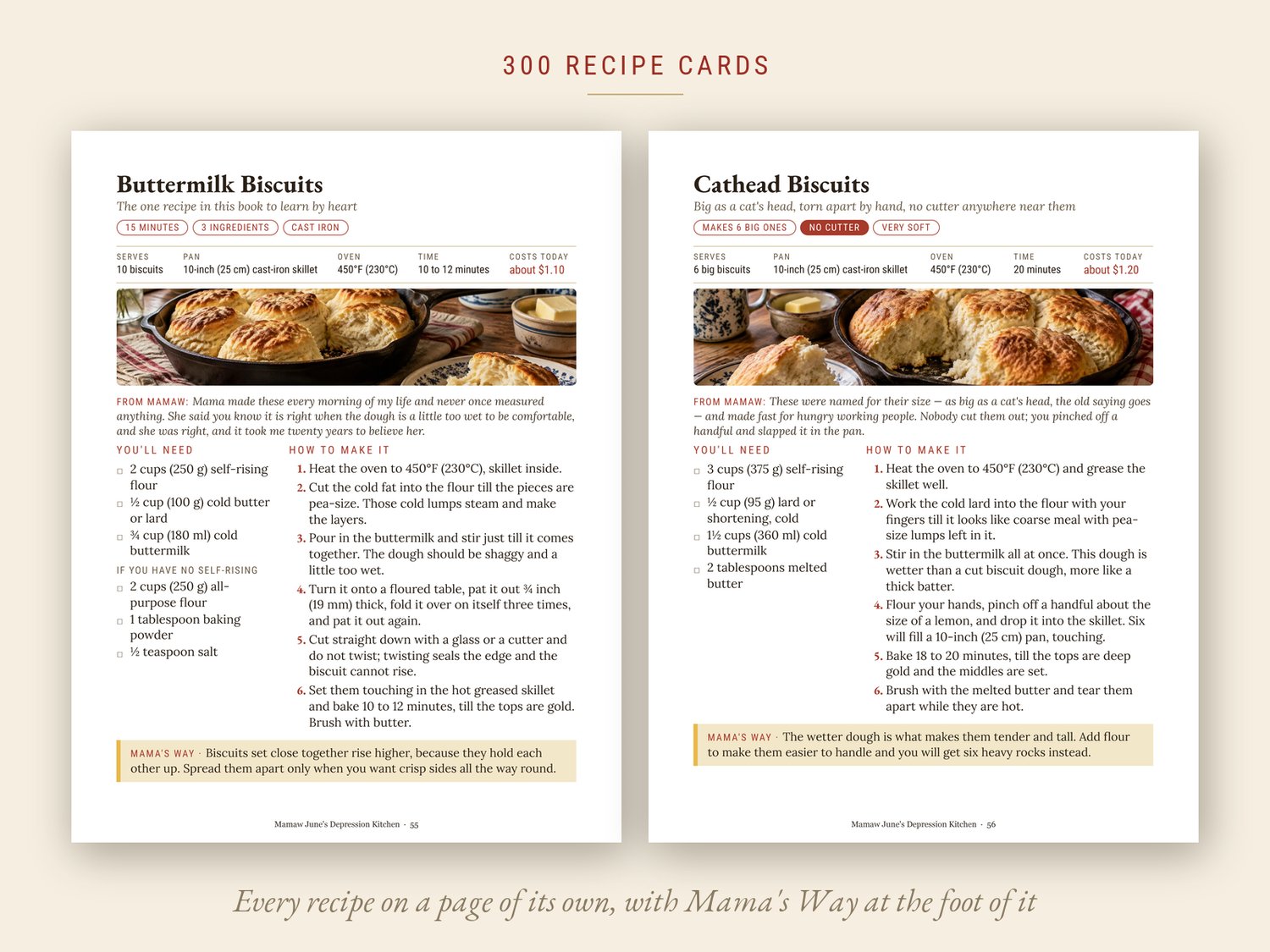
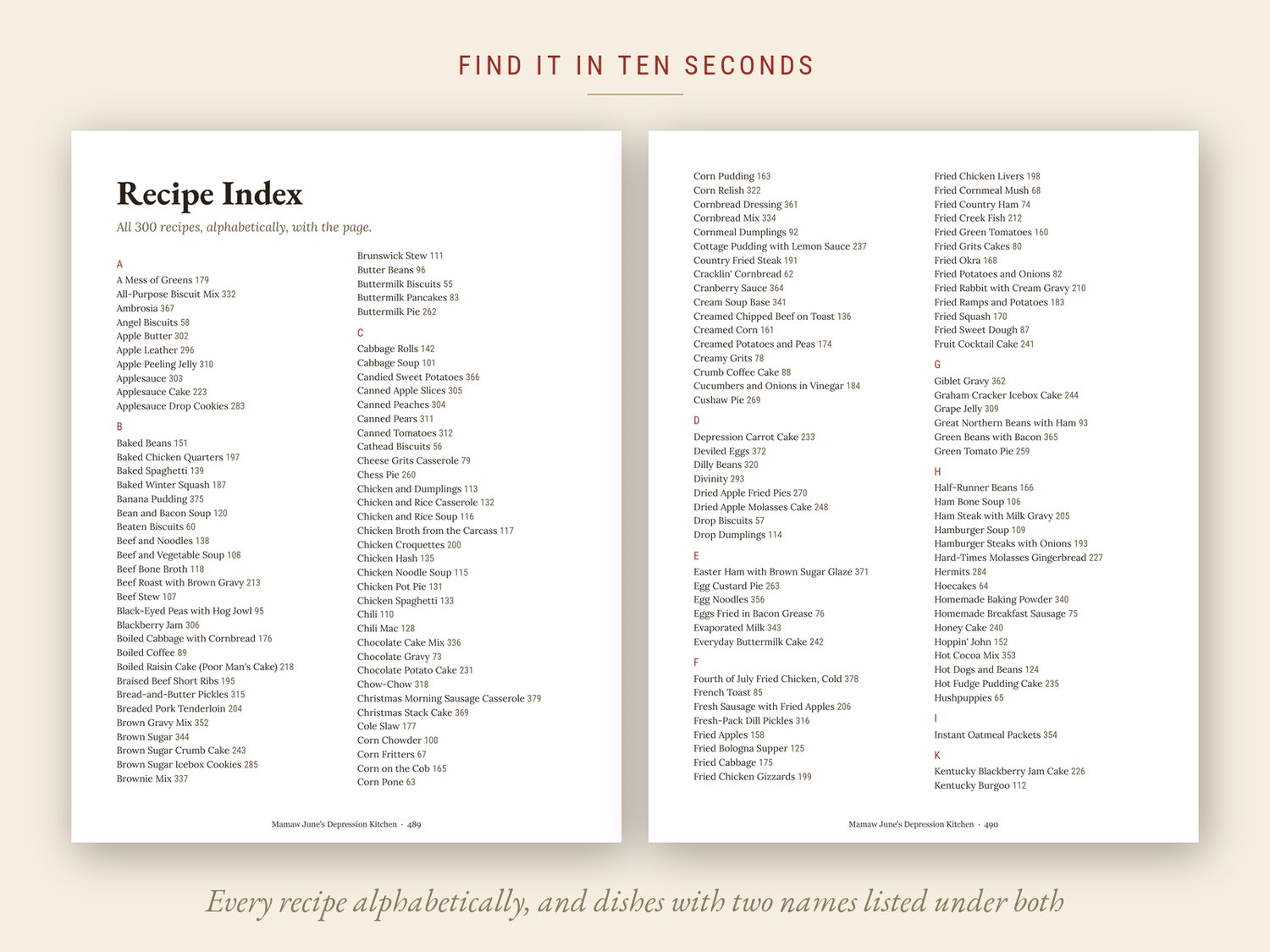
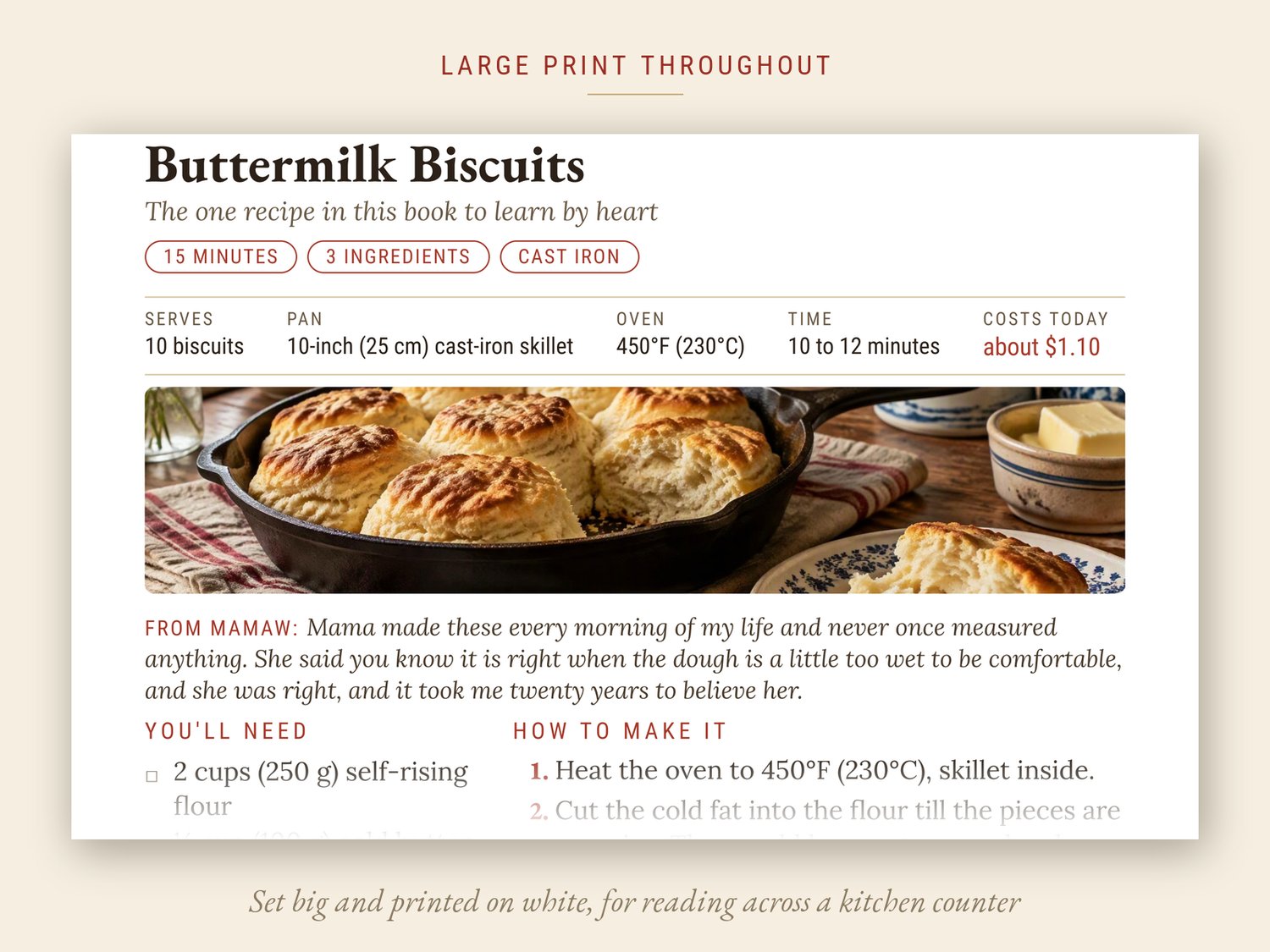
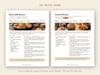
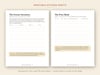
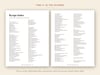
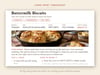
300 recipes, every one on a page of its own. No hunting across a spread. Each one tells you at a glance what it serves, the pan, the oven, the time — then what you need, then what to do, and at the foot of the page Mama's Way: the thing I would tell you if I were stood beside you.
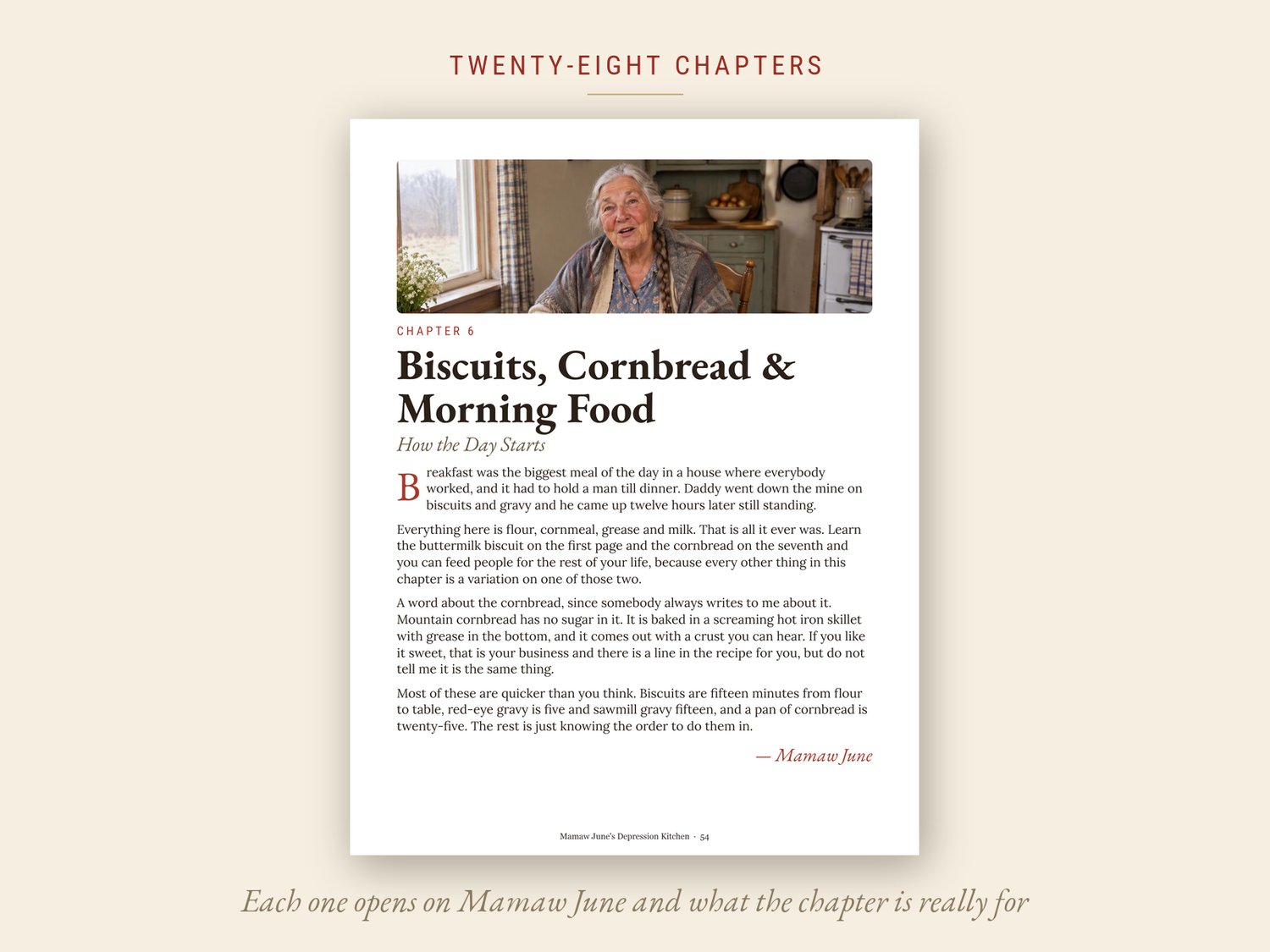
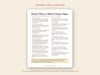
- Biscuits, cornbread and the morning food. Buttermilk biscuits, catheads, drop biscuits, skillet cornbread with no sugar in it, chocolate gravy, red-eye and sawmill gravy.
- Soup beans, soups and stews. The suppers that fed whole families and still do.
- One-pot suppers and stretchers. Where a half pound of meat feeds six.
- From the garden. What to do when it all comes in at once.
- When there was meat. Cheap cuts cooked till they give in.
- Depression cakes. Made with no eggs, no butter and no milk — because that is how they were made, and they are better than you think.
- Pies from nothing. Vinegar pie, water pie, sugar pie, stack cake.
- Cookies, candy and little treats.
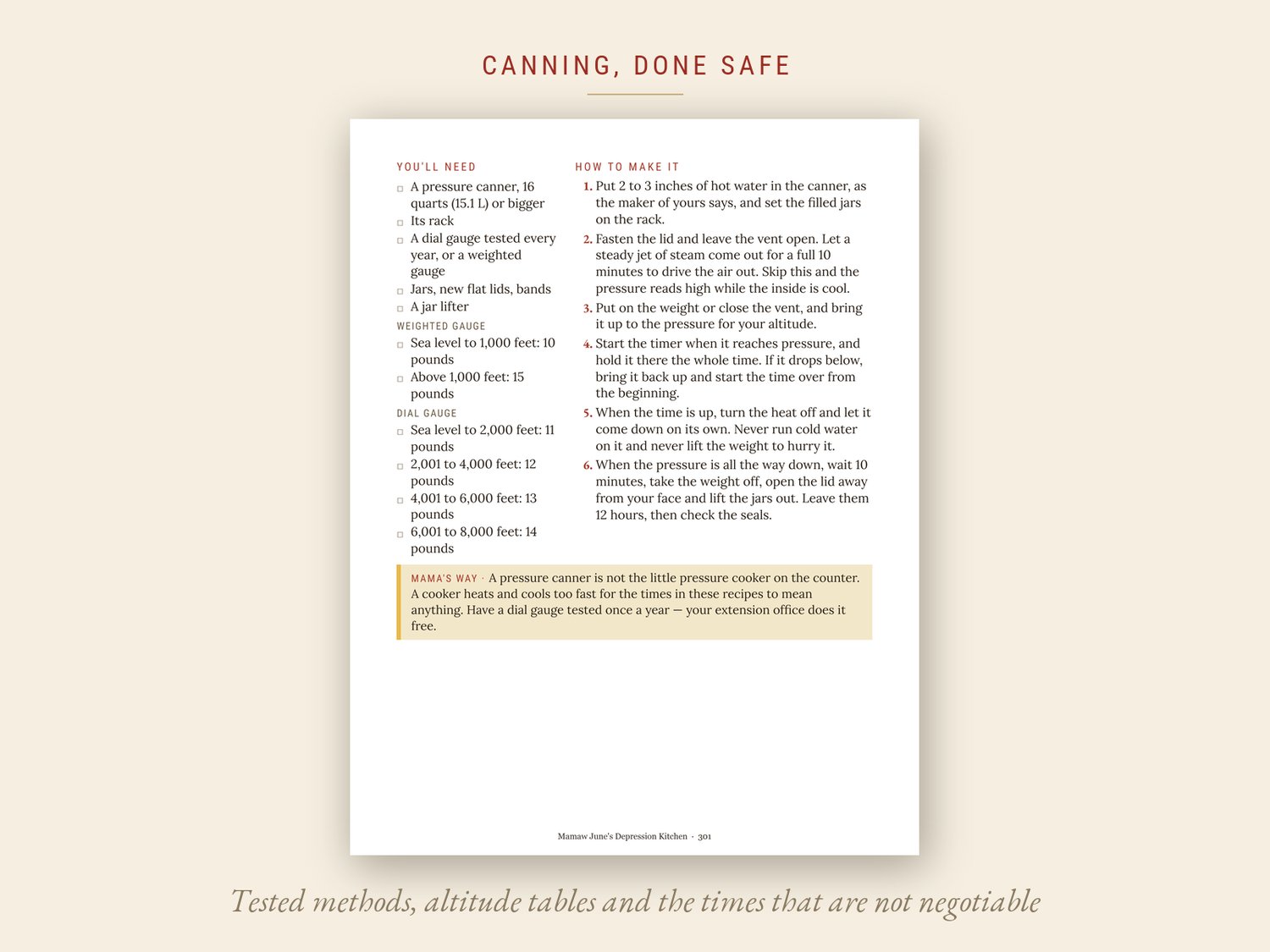
- Canning, pickling and putting up — tested methods only, with the altitude tables, because this is the one chapter where the numbers are not mine to change.
- Homemade mixes and pantry staples. The mixes you buy, made at home in a jar.
- Holidays and Sunday dinners.
And everything that is not a recipe
This is the half that no cookbook puts in.
- The seven rules a well-run kitchen turns on.
- Cast iron, properly — seasoning it, rescuing a rusted one, and why it outlives you.
- Stretching: how one chicken fed seven.
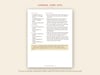
- When it goes wrong — curdled, split, lumpy, scorched, sunken, tough. Read the pan before you panic. (And two famous tricks that do not work, said plainly.)
- Cooking for one or two, written warm — what halves, what will not, and what to do with the rest.
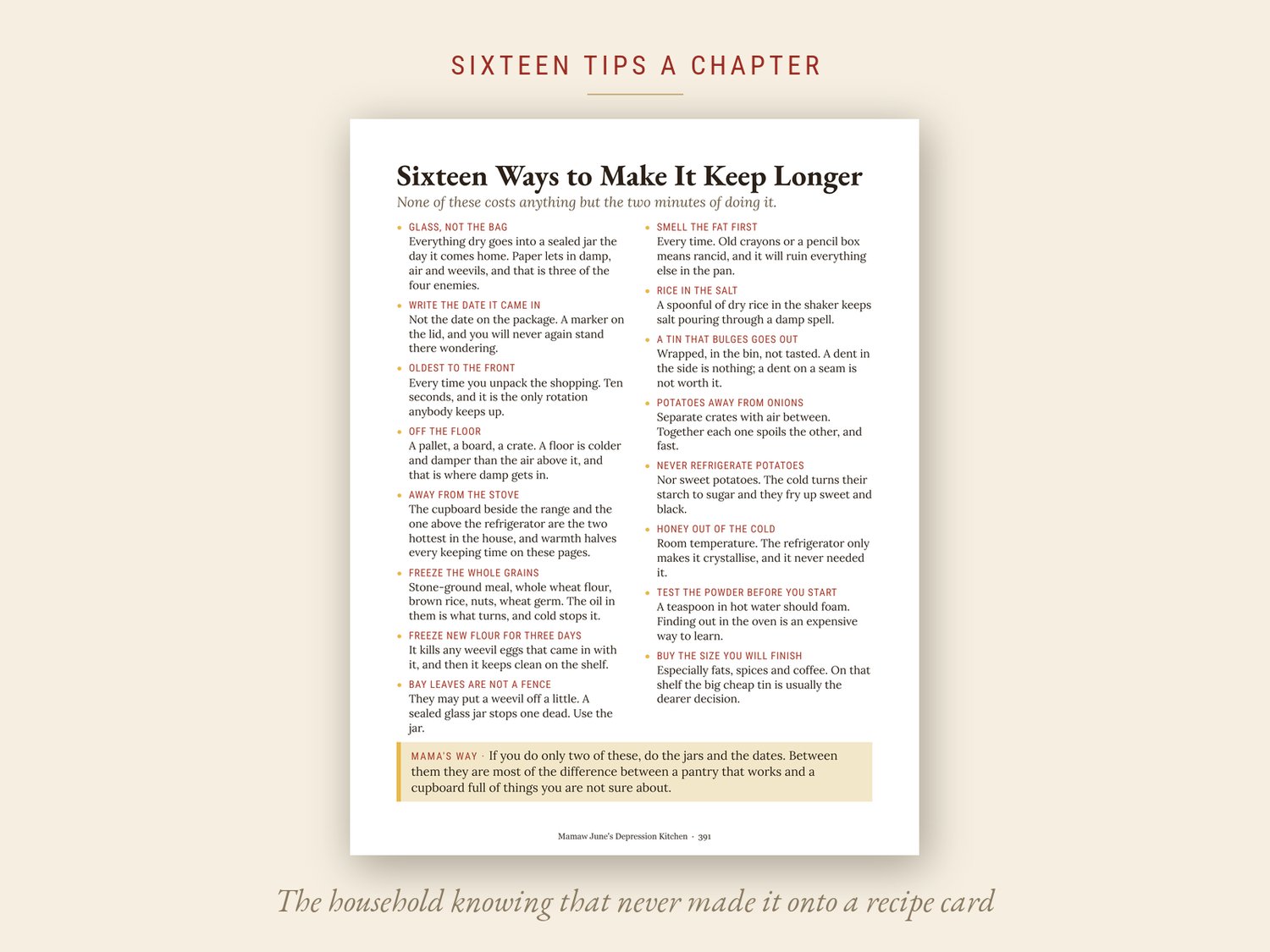
- The thirty foods that keep for years, and how long everything else really lasts.
- The year in food: what is good and cheap in which month.
- Storing it right. Scraps into suppers. Leftovers made into something else. Vegetables you can grow again on the windowsill.
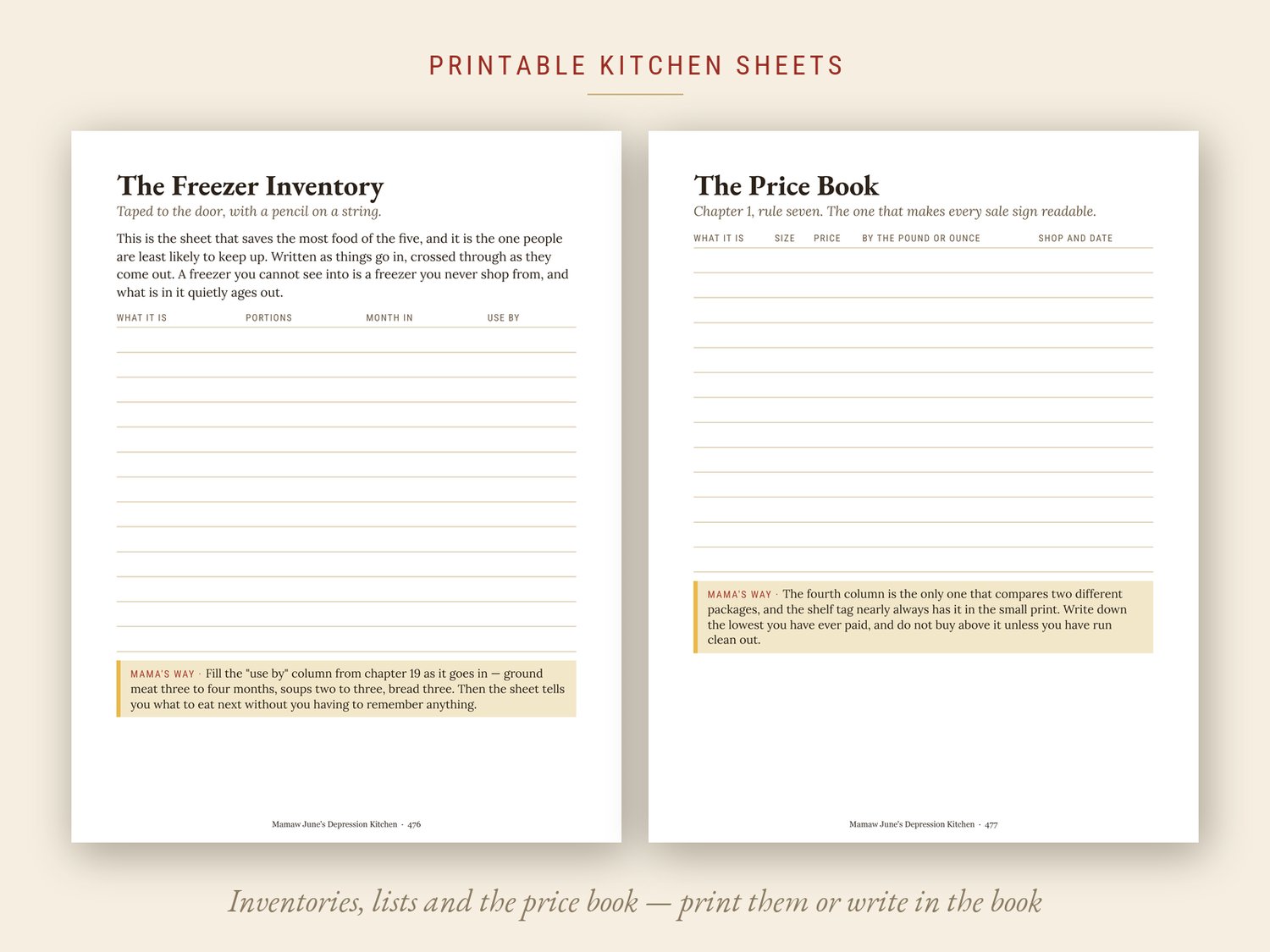
- Four weeks of suppers, and printable lists, inventories and kitchen sheets to fill in.
A few things worth knowing before you buy
It is set in large print, all of it. I am eighty-one and I know what small type is worth. It is printed on white, so a page costs you almost nothing in ink when you print it for the kitchen counter.
The measures are American, with metric in brackets after them — grams, millilitres, centimetres and degrees Celsius, on every recipe. You do not need to convert a thing, wherever you are cooking.
It is a digital book (PDF). It lands in your email the minute you buy it. Read it on a phone, a tablet or a computer, print the pages you want, keep it forever. One payment, no subscription.
It is meant to be written in. Mama had one cookbook and she had written in the margin of nearly every page. That is what a cookbook is for.
I am a cook, not a doctor, and there is not one word of medical advice anywhere in it.
Nobody was teaching it any more, and it is far too good to lose. Here it is, all of it.
— Mamaw June Pigeon Roost Holler, Knott County, Kentucky