
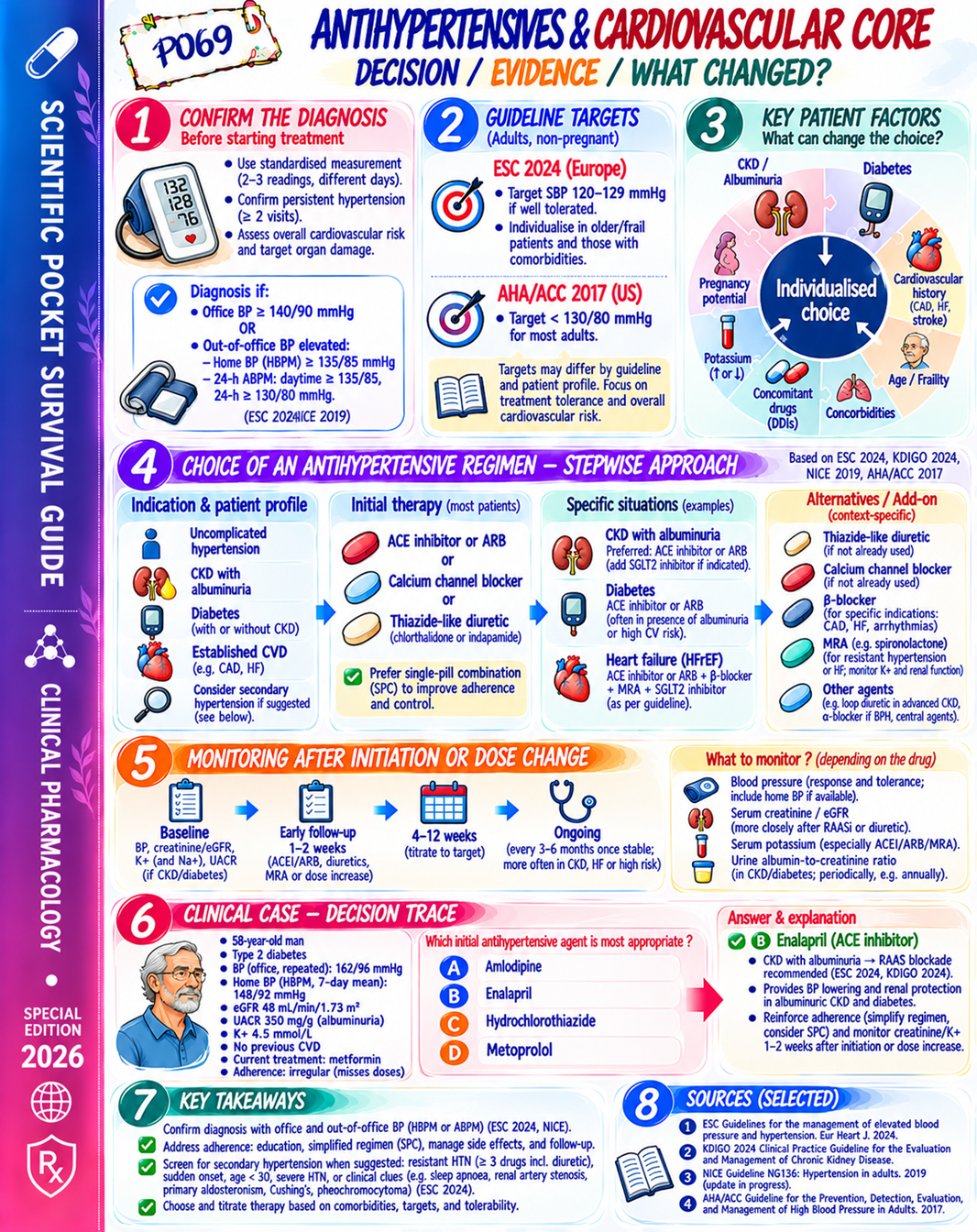
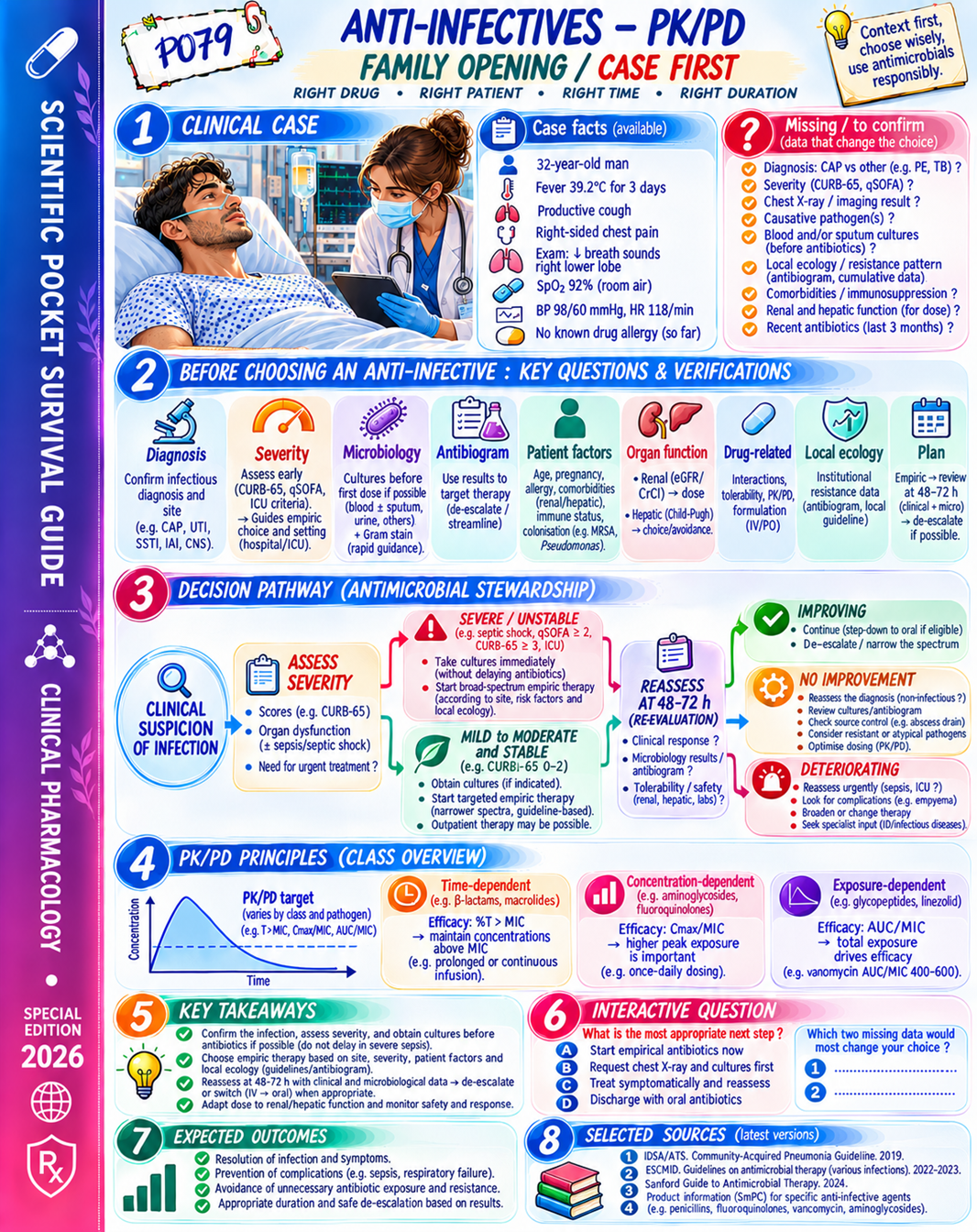
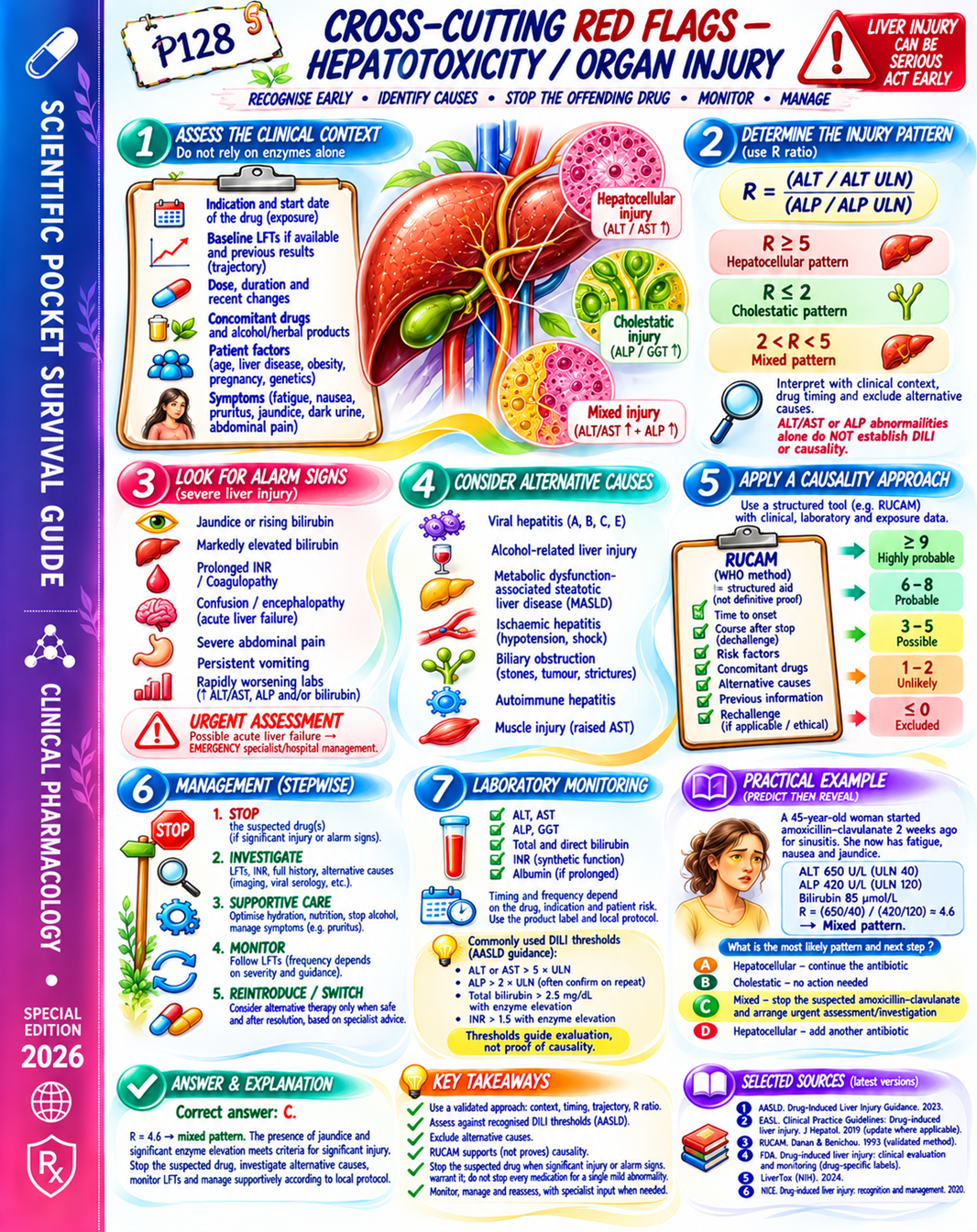
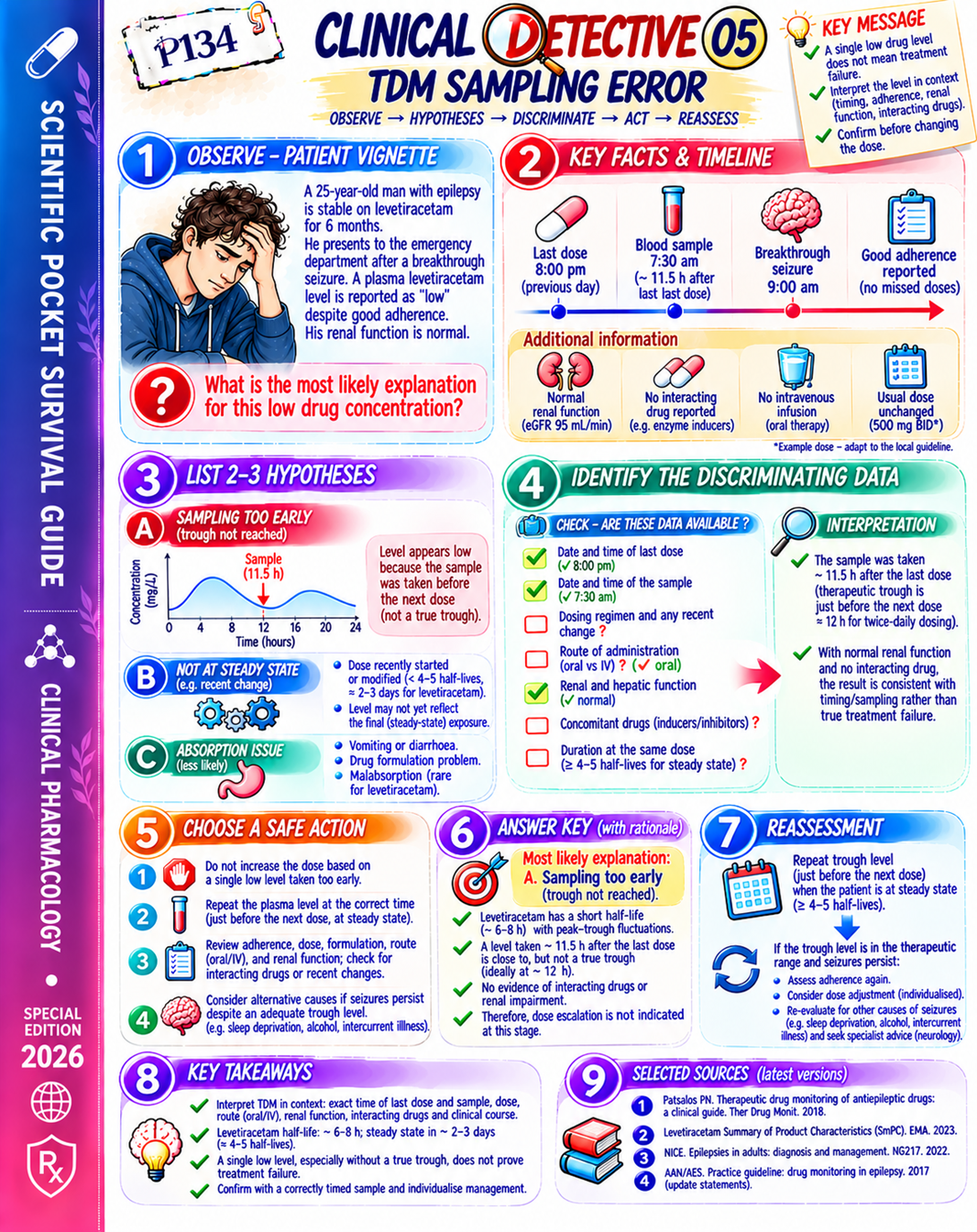
Scientific Pocket Survival Guide : Clinical Pharmacology | Special Edition 2026
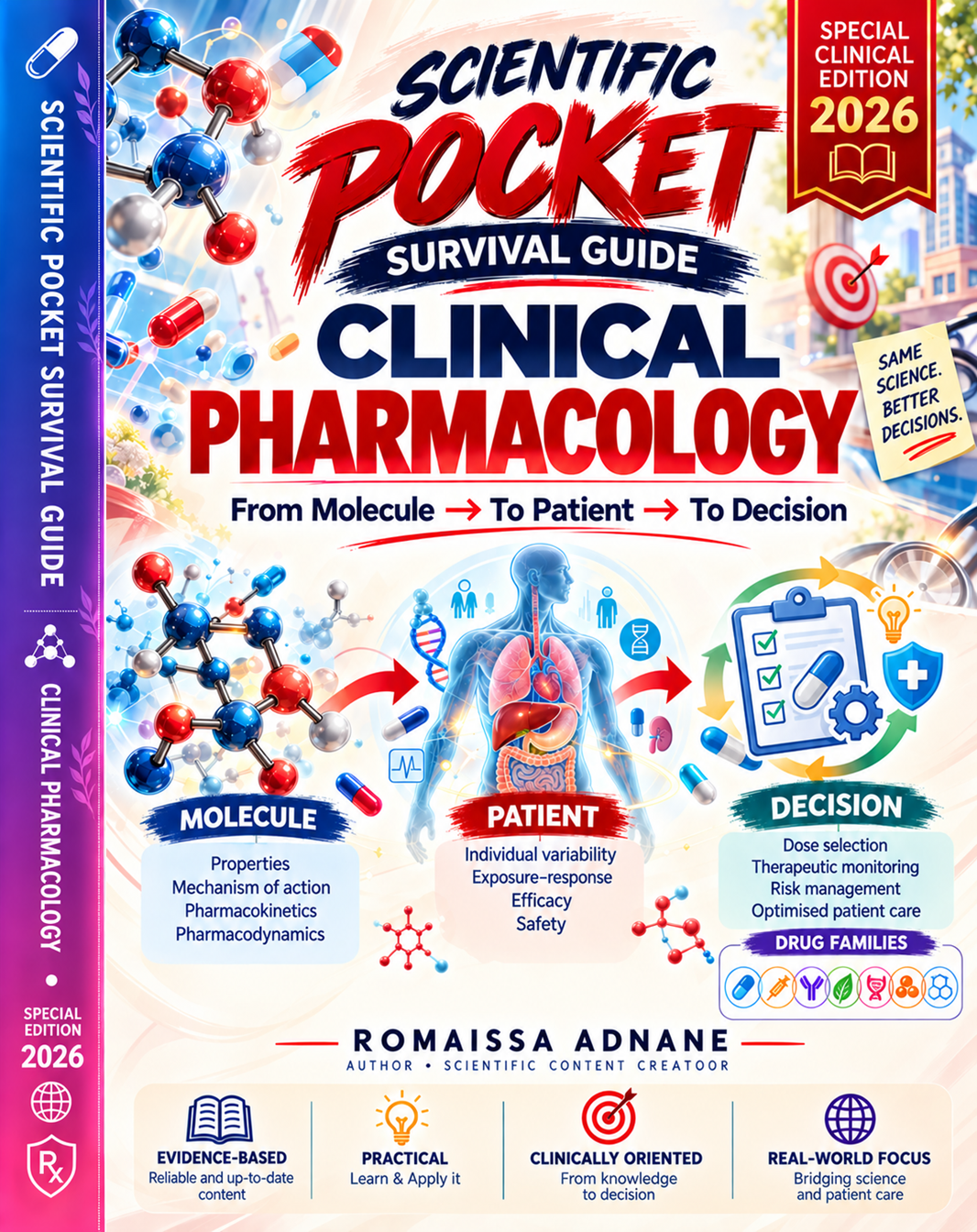
SCIENTIFIC POCKET SURVIVAL GUIDE
CLINICAL PHARMACOLOGY — SPECIAL EDITION 2026
THINK DIFFERENTLY | LEARN CREATIVELY | MASTER CLINICAL PHARMACOLOGY.
Clinical pharmacology is not just about memorising drugs. It is about understanding, connecting, questioning and making safer clinical decisions.
What if learning clinical pharmacology could be more engaging than reading pages of theory?
The Clinical Pharmacology Pocket Survival Guide offers an original and creative approach to scientific learning. Combining academic content with visual storytelling, practical examples, memory techniques and interactive exercises, this guide transforms complex pharmacological concepts into clear, memorable and clinically relevant knowledge.
Rather than presenting information as a conventional textbook, it encourages active learning through visual explanations, clinical challenges, clever mnemonics, problem-solving activities and real-world scenarios.
Learn by understanding - Remember through creativity - Practise through interaction.
WHAT MAKES THIS GUIDE DIFFERENT?
This is not simply another pharmacology summary. It is a thoughtfully designed learning experience built around creativity, scientific accuracy and clinical reasoning.
Discover:
- Original visual learning concepts — creative scientific illustrations, visual pathways, diagrams and carefully structured layouts that make complex information easier to understand.
- Memory tricks & mnemonics — practical acronyms, memorable associations, shortcuts and clever techniques to help retain essential pharmacological knowledge.
- Realistic clinical examples — practical situations connecting pharmacological principles to everyday therapeutic decisions.
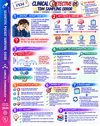
- Interactive exercises & challenges — quizzes, flash-checks, crosswords, fill-in-the-blank activities, clinical detective cases and problem-solving challenges.
- Clinical reasoning activities — learn to identify medication-related problems, recognise prescribing errors, evaluate risks and justify therapeutic decisions.
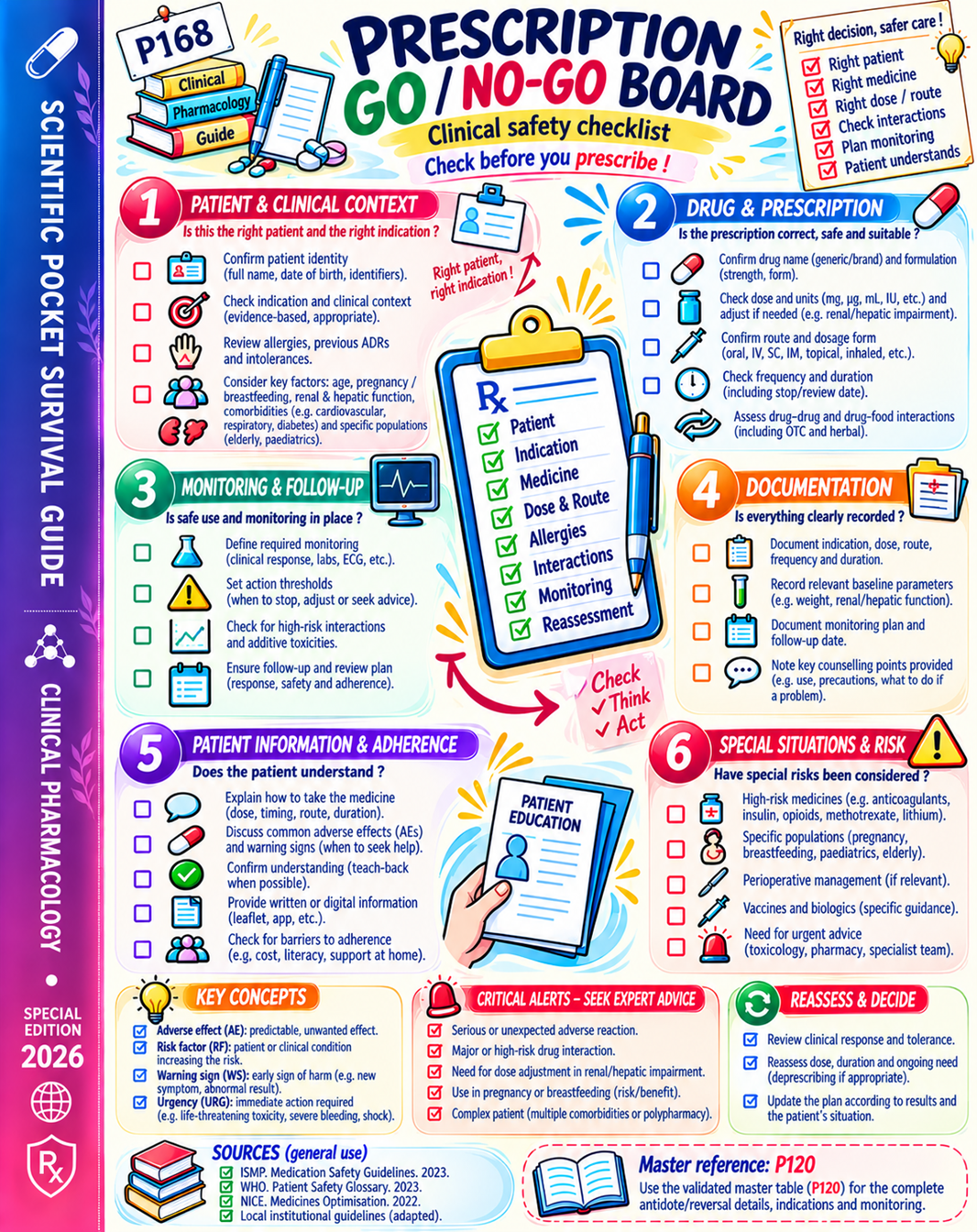
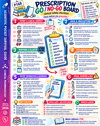
- Practical survival tools — checklists, quick-reference cards, decision algorithms, calculation aids and structured clinical frameworks.
- Evidence-based learning — scientific concepts connected to clinical recommendations, recognised references and medication safety principles.
WHAT'S INSIDE?
A comprehensive visual journey through:
01 — Clinical Pharmacology Fundamentals
Core concepts, therapeutic principles, mechanisms of action and the relationship between dose, exposure and response.
02 — Pharmacokinetics & Pharmacodynamics
Absorption, distribution, metabolism, elimination, concentration–time profiles and PK/PD interpretation.
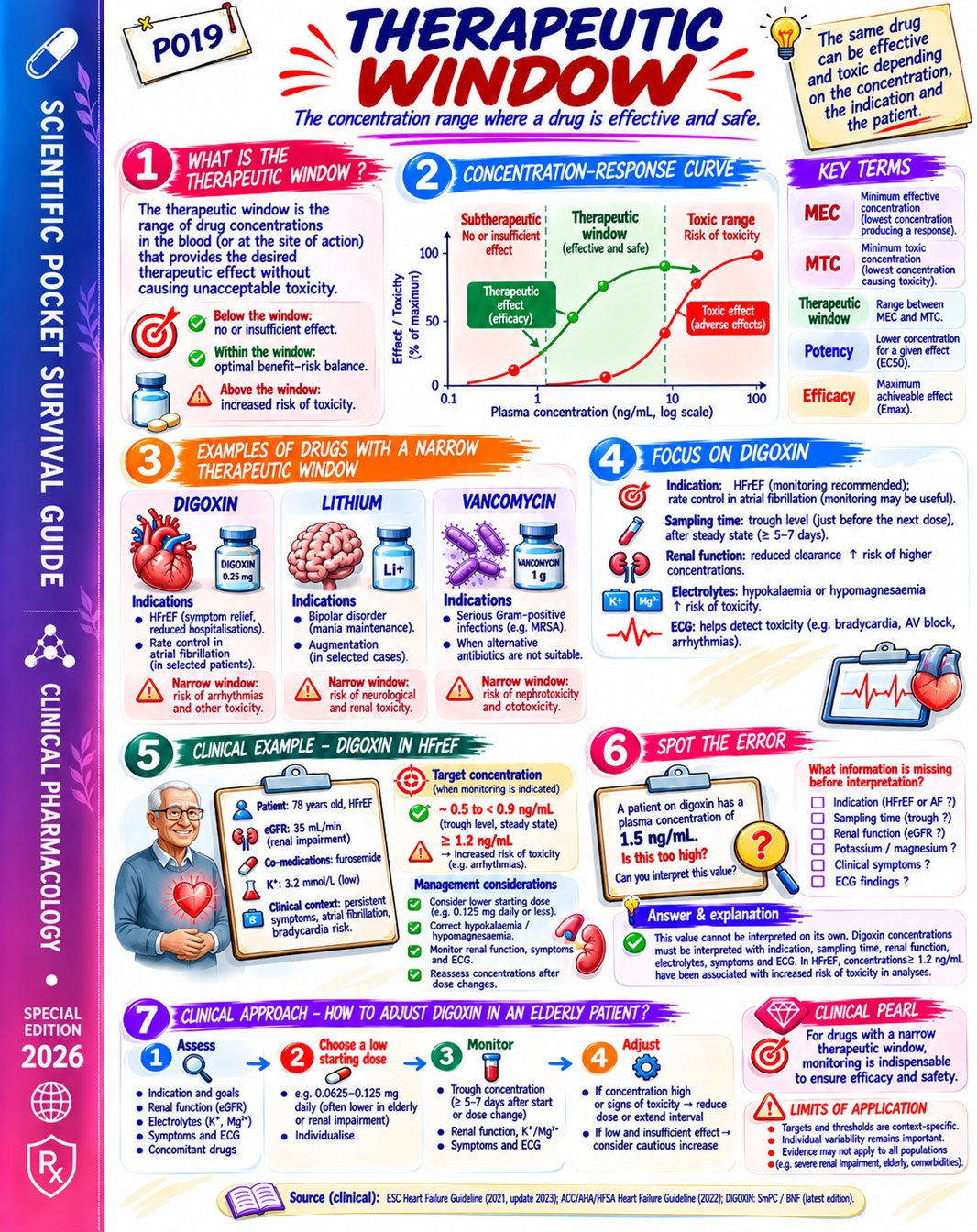
03 — Therapeutic Drug Monitoring
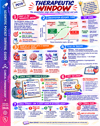
Sampling principles, therapeutic ranges, concentration interpretation and dose optimisation.
04 — Major Therapeutic Drug Classes
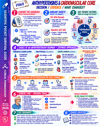
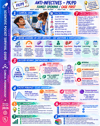
Cardiovascular medicines, anticoagulants, anti-infectives, opioids, analgesics and other essential drug families.
05 — Clinical Situations & Special Populations
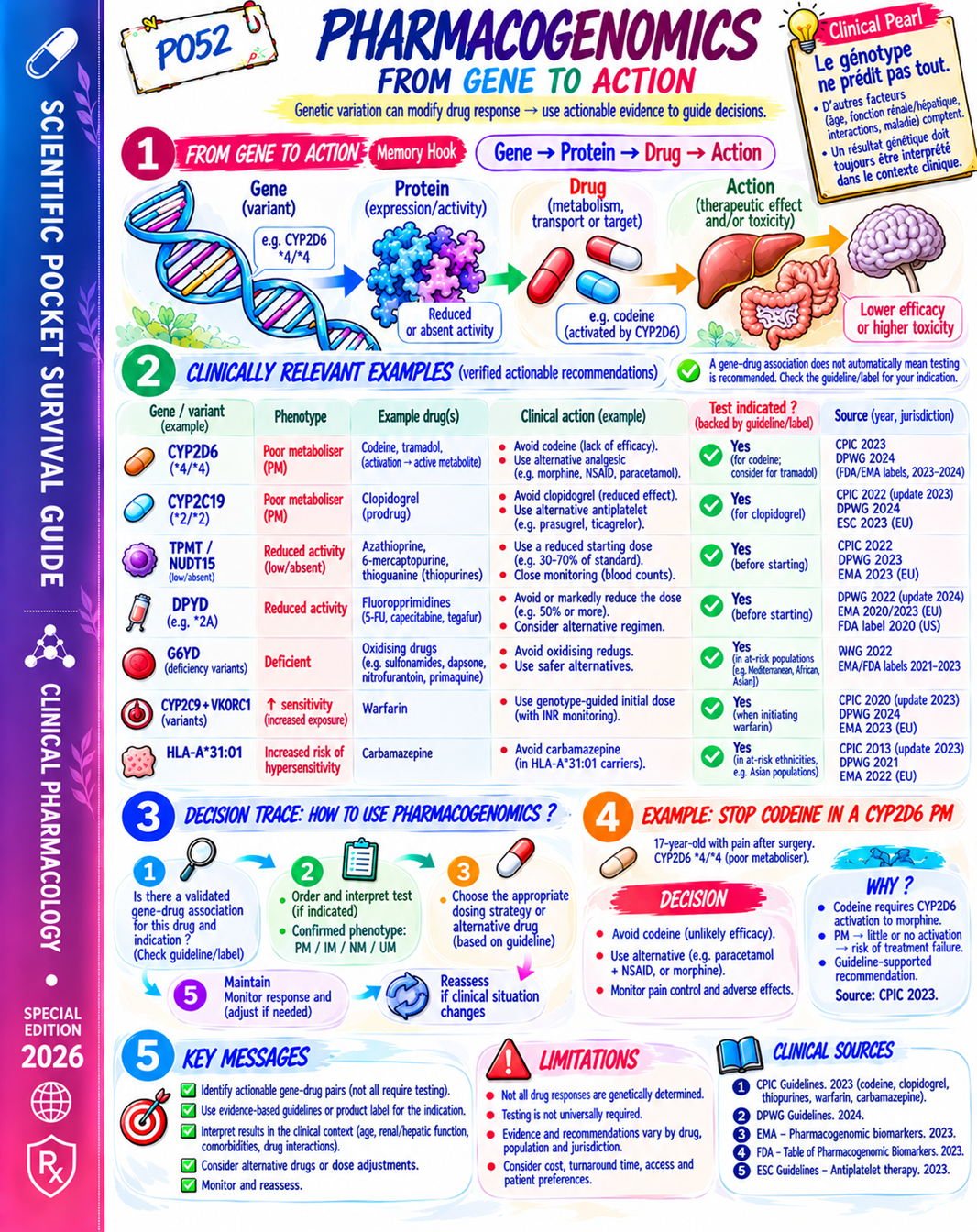
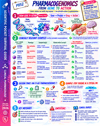
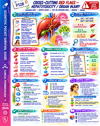
Renal and hepatic impairment, older adults, pregnancy, pharmacogenomics and individual variability.
06 — Medication Safety & Risk Management
High-alert medicines, LASA medications, prescribing errors, drug interactions, adverse effects and toxicity.
07 — Clinical Decision-Making Tools
Checklists, quick-reference tables, calculation tools, decision frameworks and practical algorithms.
08 — Interactive Clinical Practice
Clinical cases, diagnostic challenges, memory exercises, self-assessment quizzes, mini-games and practical learning activities.
LEARN ACTIVELY, NOT PASSIVELY
Throughout the guide, you will encounter different ways to challenge your knowledge:
- Test your understanding with rapid-fire quizzes.
- Solve pharmacology crosswords using key scientific terminology.
- Complete clinical algorithms and decision pathways.
- Investigate hidden prescribing errors through clinical detective cases.
- Practise with realistic patient scenarios.
- Use mnemonics and memory techniques to reinforce essential concepts.
- Apply checklists before making clinical decisions.
Each activity is designed to encourage active recall, critical thinking and the practical application of knowledge.
WHO IS IT FOR?
Ideal for:
- Pharmacy and pharmacology students.
- Medical and nursing students.
- Biomedical and pharmaceutical science students.
- Pharmacologists and healthcare professionals.
- Researchers and educators in pharmaceutical and biomedical sciences.
- Anyone wishing to develop a stronger foundation in clinical pharmacology.
THE CLINICAL THINKING APPROACH
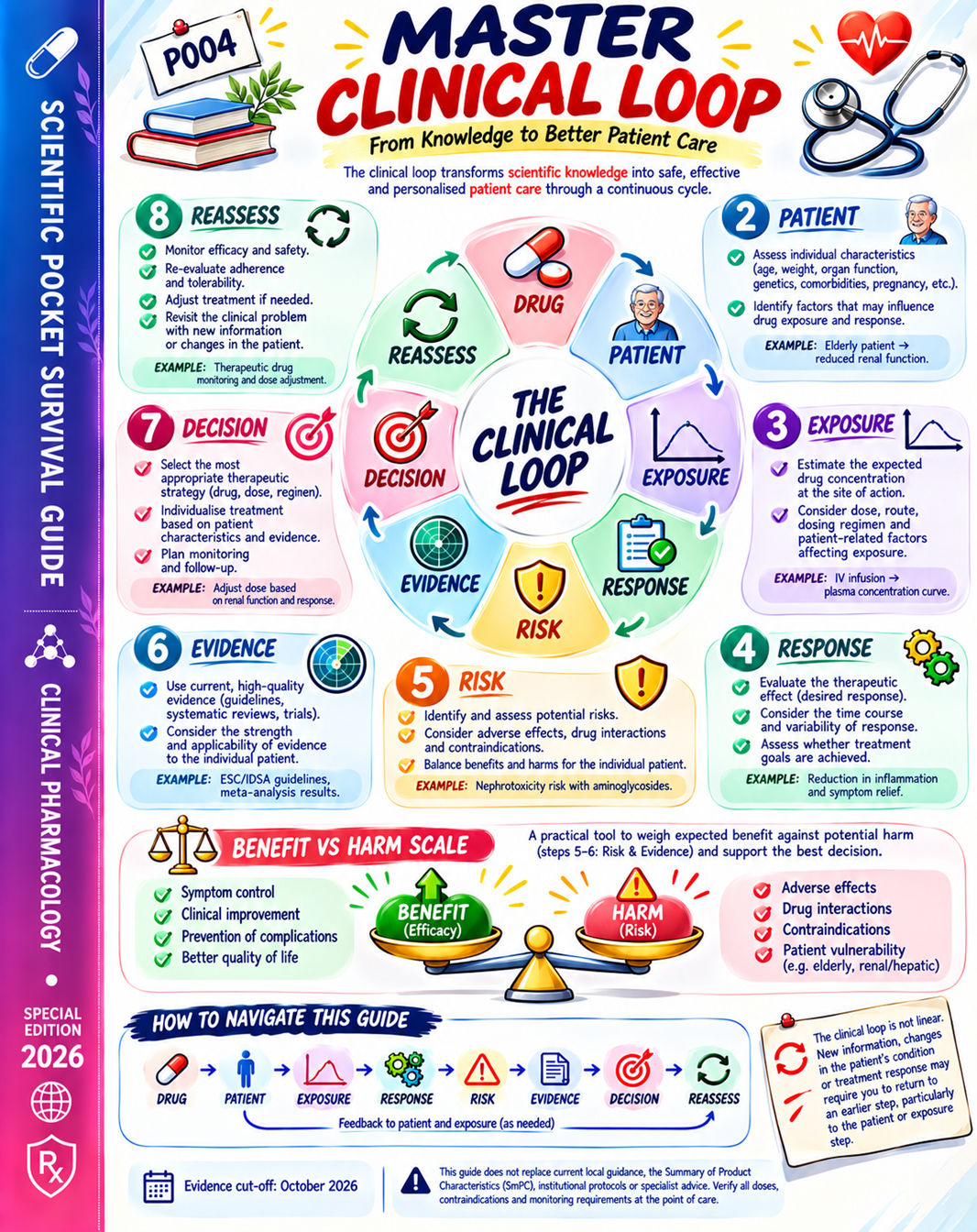
At the heart of this guide lies a structured clinical reasoning pathway:
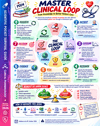
DRUG → PATIENT → EXPOSURE → RESPONSE → RISK → EVIDENCE → DECISION → REASSESS
Because understanding a medicine is only the beginning. The real challenge is knowing how to apply that knowledge safely and intelligently.
IMPORTANT EDUCATIONAL NOTICE
This publication is an educational and scientific learning resource. It does not replace current clinical guidelines, official prescribing information (SmPC), institutional protocols, specialist advice or individualised clinical assessment. Always verify doses, contraindications, interactions and monitoring requirements using current, validated sources before clinical application.
Created by ROMAISSA ADNANE
Author • Scientific Content Creator
Scientific Pocket Survival Guide
SCIENCE MADE SIMPLE | MEMORY MADE STRONG | KNOWLEDGE PUT INTO PRACTICE.