
Iron Age Russian raw DNA file
The Moschino culture was an early Iron Age archaeological culture centered in the regions of central and western Russia, particularly around the upper Don and Oka River basins, between the late 1st millennium BCE and the early 1st millennium CE. The culture is named after the Moschino archaeological site and represents a blend of influences from local forest-dwelling tribes and steppe nomads. It played a significant role in the ethnogenesis of several later groups, including the Eastern Balts, such as the Galindians.
The Moschino people relied on a combination of agriculture, animal husbandry, fishing, and hunting. They cultivated millet and barley and kept domesticated animals such as cattle and horses.
The Moschino culture contributed to the formation of the Eastern Balts, particularly the Galindians, a Baltic-speaking group that settled between the upper Volga and Oka Rivers, on the territory of modern Kaluga, Moscow, and Tver regions
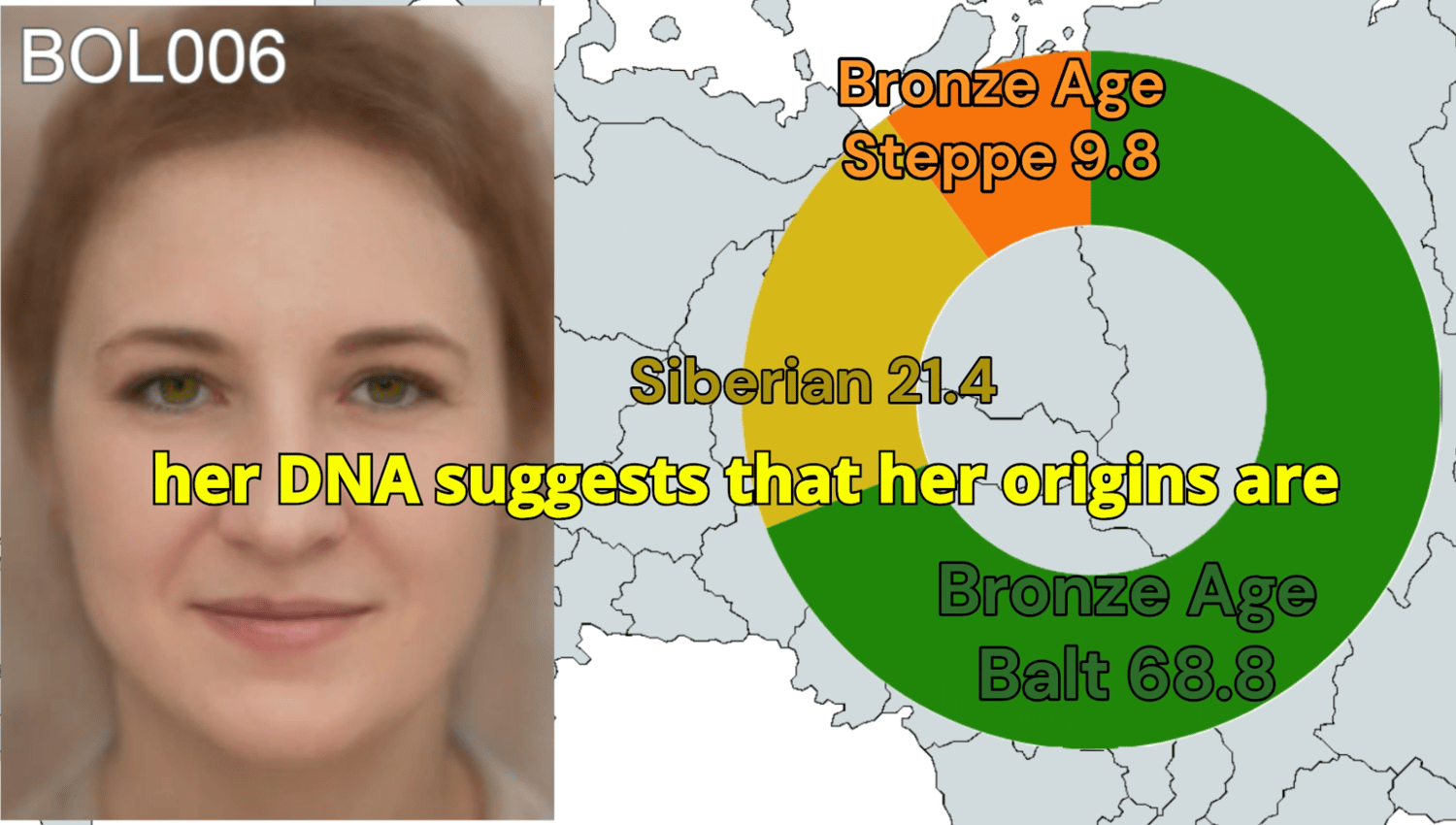
For this video, I gathered the DNA of a 2nd century individual from the Vladimir oblast in Central Russia. She was buried alongside 8 other people, and likely was not a foreigner in Vladimir oblast. However, her DNA suggests that her origins are very different from the rest of the people buried alongside her in Vladimir Oblast. She seems to descend mostly from bronze age proto-balts, with a minor siberian component. The rest of the Volga-Oka genomes show much higher affinities to Siberians. This person was likely the result of mixing between the Uralic dyakovo culture and the Baltic Moschino culture in Central Russia.
Although her DNA doesn’t suggest she was fully baltic, it is obvious that Baltic, or perhaps Galindian, ancestry was a big part of her ethnic makeup.