
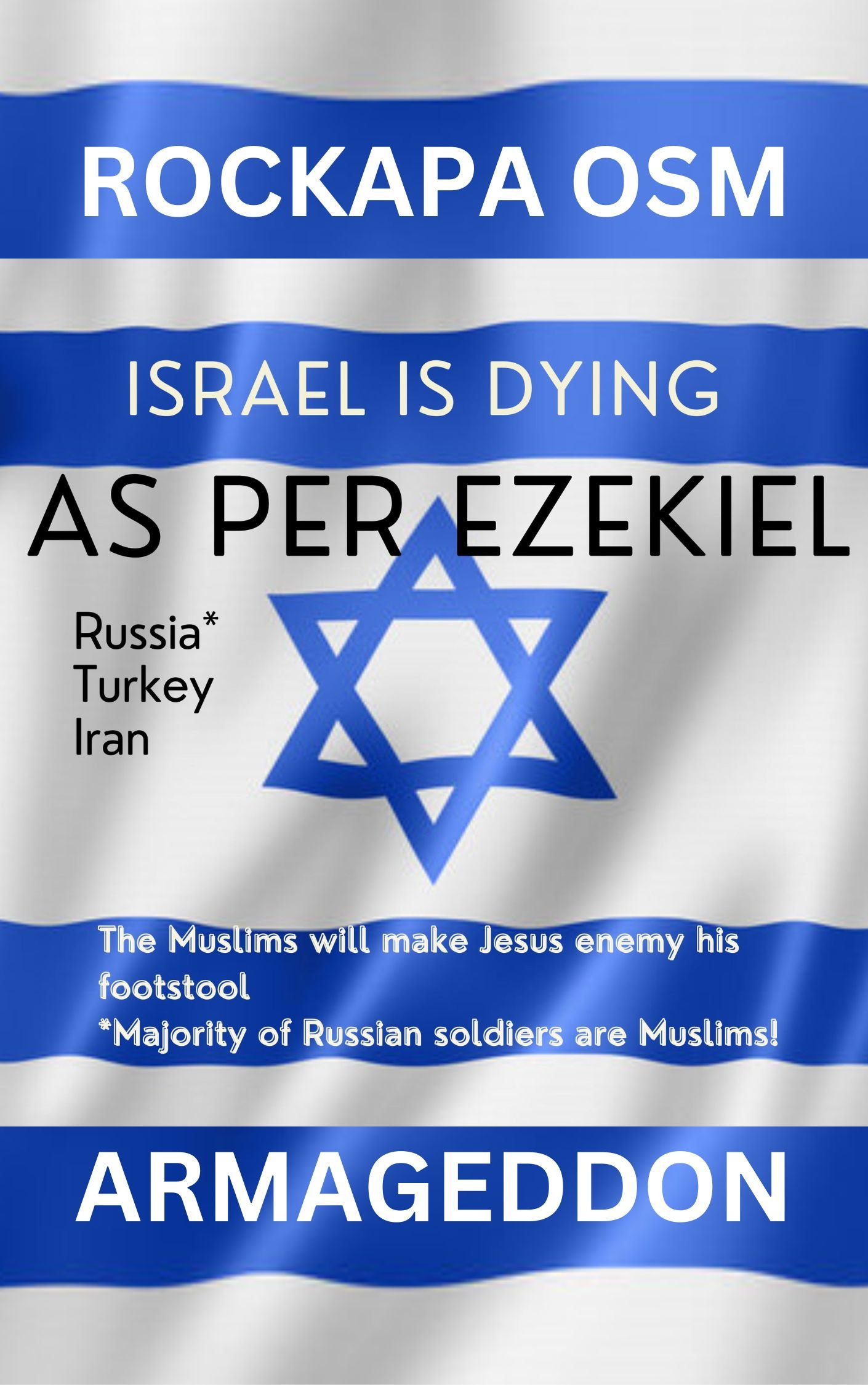
Israel Is Dying
Israel Is Dying
Introduction:
In recent years, there has been growing concern over the future of Israel, as various factors have contributed to a decline in its stability and overall well-being. This document explores the challenges that Israel is currently facing, shedding light on the factors that have led to its deteriorating condition.
1. Geopolitical Tensions:
Ongoing geopolitical tensions in the region have marked Israel's existence. The conflict with Palestine has been a longstanding issue, resulting in violence, loss of life, and political instability. The lack of a viable resolution to this conflict has hindered Israel's progress and created uncertainty.
2. Security Threats:
Israel faces significant security threats from both state and non-state actors. Terrorist organizations, such as Hamas and Hezbollah, have targeted Israeli civilians and infrastructure, leading to a constant state of alert and the need for heightened security measures. These security challenges have significantly strained the nation's resources and further contributed to its decline.
3. Demographic Concerns:
Israel is grappling with demographic challenges that threaten its long-term viability. The Israeli population is ageing rapidly, with low birth rates and a higher life expectancy. This demographic shift has pressured the economy, healthcare system, and social welfare programs, potentially impacting Israel's ability to sustain itself.
4. Economic Struggles:
Israel's economy, once thriving, is now facing significant challenges. The high cost of living and a growing income gap has led to widespread dissatisfaction among the population. Additionally, the country's heavy reliance on imports and ongoing security concerns have hindered foreign investment and economic growth, further exacerbating the situation.
5. Political Instability:
Israel has experienced a series of political upheavals in recent years, resulting in a lack of cohesive leadership. Frequent elections and coalition governments have led to a fragmented political landscape, making implementing long-term policies and reforms difficult. This political instability has hindered decision-making processes and impeded progress in addressing the country's pressing issues.
Conclusion:
Israel's current state of decline is a complex issue, influenced by geopolitical tensions, security threats, demographic challenges, economic struggles, and political instability. As the country faces these multifaceted challenges, its leaders and citizens must unite and work towards sustainable solutions. Israel can hope to reverse its current trajectory and build a brighter future through concerted efforts.