

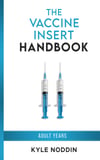


The Vaccine Insert Handbook: Adult Years
INFORMED CONSENT BEGINS WITH SEEING THE RECORDS.
The Vaccine Insert Handbook: Adult Years organizes essential information from official vaccine records into one clear, readable reference.
How informed are people about the vaccines they are being asked to consider throughout adulthood?
A recommendation can begin the conversation. Understanding the product behind it means asking further questions: Who was studied? What was the vaccine compared with? How long were participants followed? What did the results actually measure?
Official vaccine package inserts and product monographs describe approved uses, warnings, and selected evidence reviewed by regulators. These public documents contain important information, but their technical language and extensive tables can make that information difficult to locate, compare, and understand in context.
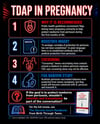
The Vaccine Insert Handbook: Adult Years brings those details into clear view. Organized around the stages and circumstances in which adult vaccination decisions arise, it examines products encountered because of age, pregnancy, health, occupation, travel, exposure, and emerging public-health concerns. Coverage extends from routine and catch-up vaccines to products used in older adulthood, specialized settings, and outbreak response.
Within the product reviews, readers can explore:
- Who participated in the studies and how closely those populations reflect the adults being offered the vaccine.
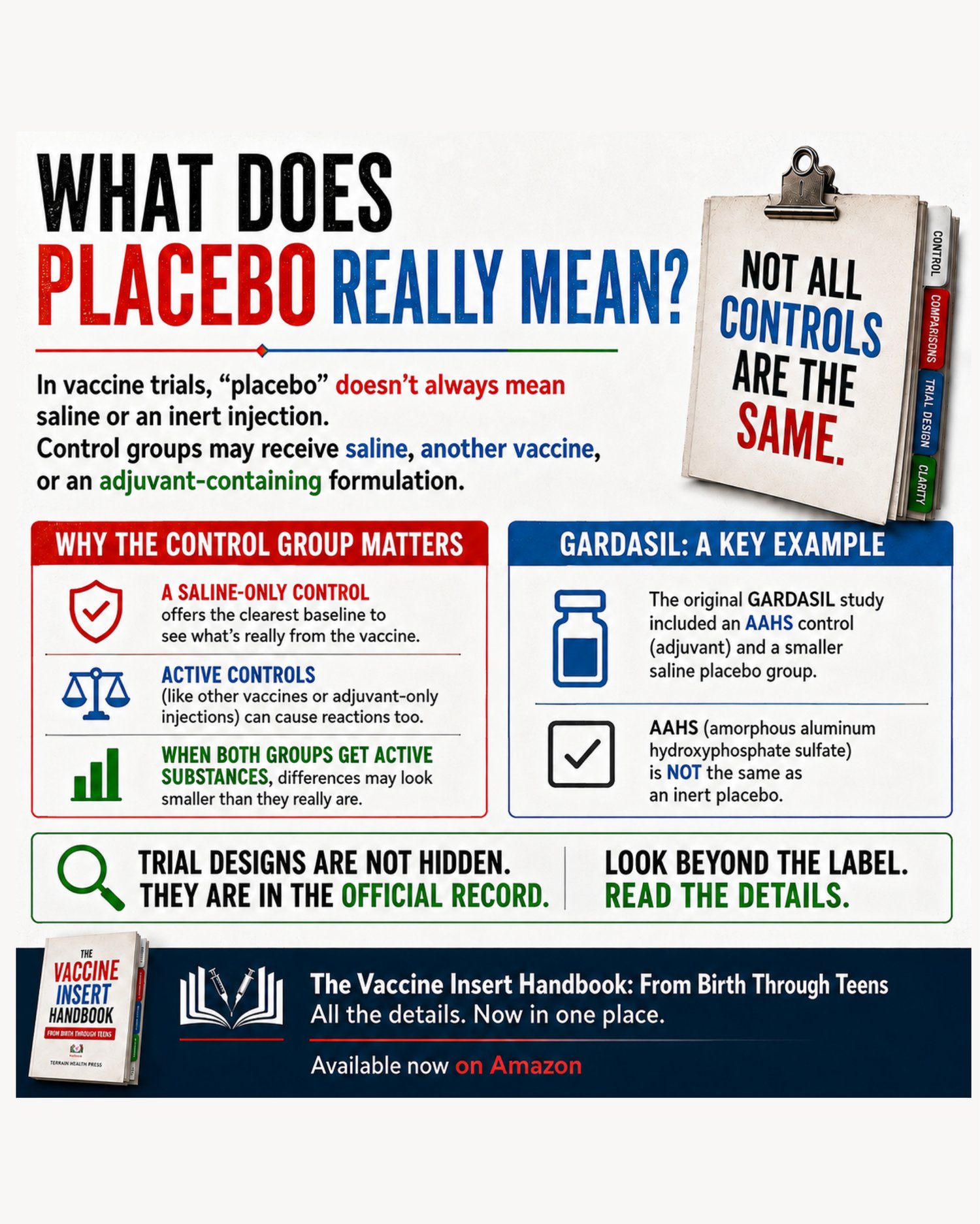
- What comparison groups received, including saline, another vaccine, or other control formulations.
- Whether studies measured fewer cases of illness, antibody responses, or other outcomes.
- How long different reactions and serious adverse events were monitored.
- Ingredients, manufacturing residuals, warnings, contraindications, and postmarketing reports.
- Potential advantages, limitations, and questions the source documents leave unresolved.
Each review identifies its sources so readers can return to the official documents and check the information for themselves. The summaries distinguish reported events from established causation and findings from the limits of what was studied.
Clearly labeled Terrain Perspectives provide a separate interpretation, considering the adult as a whole person shaped by health, environment, previous exposures, and cumulative interventions. These reflections remain distinct from the manufacturer's or regulator's conclusions.
Section reflections draw together recurring patterns and meaningful differences, while glossaries explain unfamiliar study terms and vaccine ingredients. Readers can begin with the product or circumstance most relevant to them, without reading the book from beginning to end.
Beyond individual products, the handbook reveals a larger pattern: adult vaccination is not a single decision, but an evolving series of recommendations that may expand or change across decades.
In a world flooded with slogans, assumptions, headlines, and conflicting claims, this book offers a way back to the source. It does not tell readers what decision to make. It gives them the tools to examine what is known, what is inferred, and what remains uncertain with clarity and discernment.
Know the records. Understand the choice.