
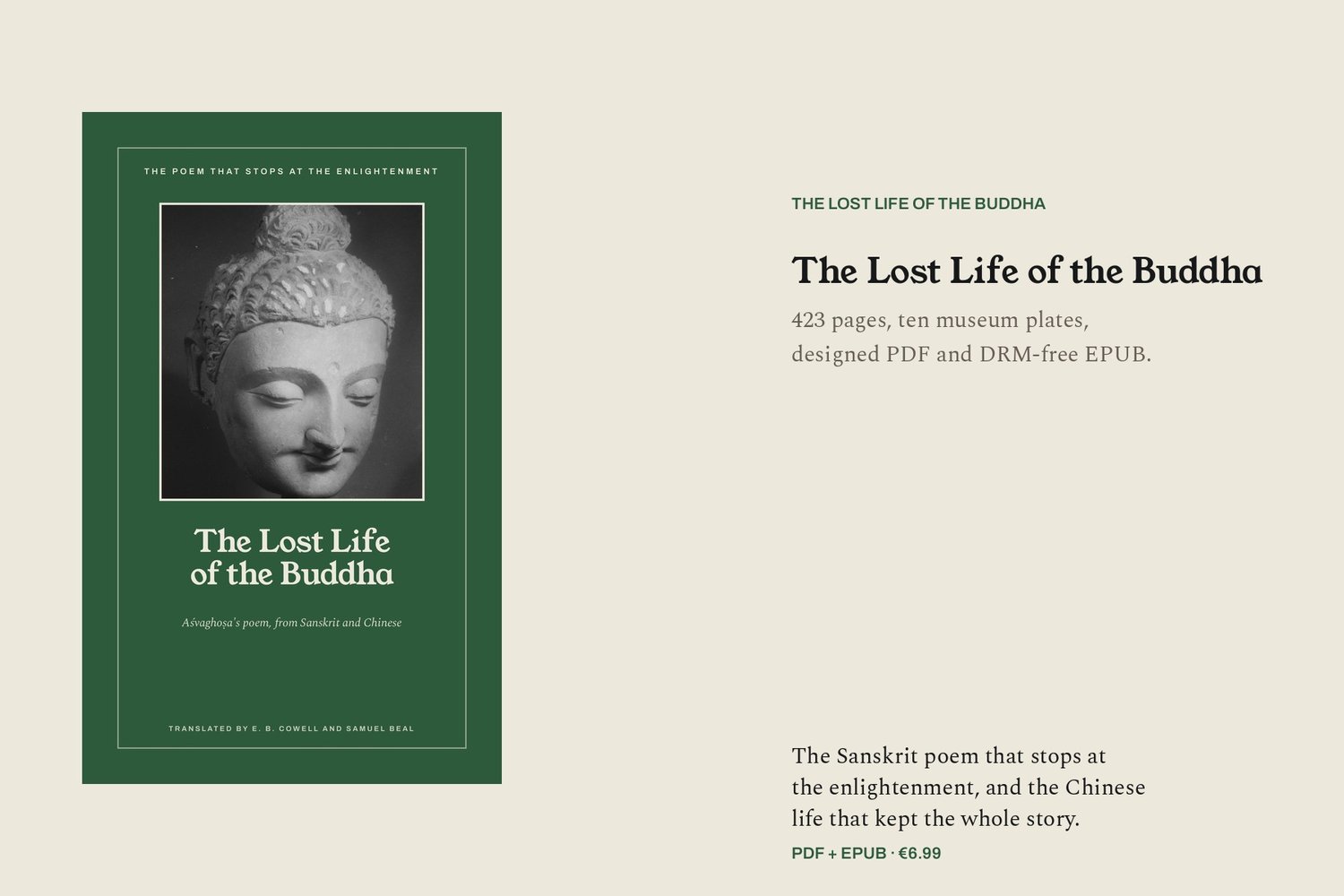


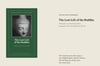


The Lost Life of the Buddha — Aśvaghoṣa's poem from Sanskrit and Chinese, complete in two halves (PDF + EPUB)
In the second century, in India, a poet wrote the life of the Buddha in twenty-eight books.
His name was Aśvaghoṣa. The poem was the finest of its kind, and it was designed to go on
to the end of the life.
But the Sanskrit did not survive whole. The manuscript that reached Europe holds seventeen
books, and of those only the first thirteen are Aśvaghoṣa's. At the end of the thirteenth
book, where Māra's host has fled and the night has cleared, the scribe of one manuscript
wrote a note: here the original work ends. The poem stops on the eve of the
enlightenment. It is the cruellest place a poem could stop.
The life itself was not lost. In the fifth century it was carried to China and translated
there, and the Chinese version keeps the whole story: the enlightenment, the first sermon,
the years of teaching, the last journey, the death, and the division of the relics. India
lost the second half of the poem; China kept it.
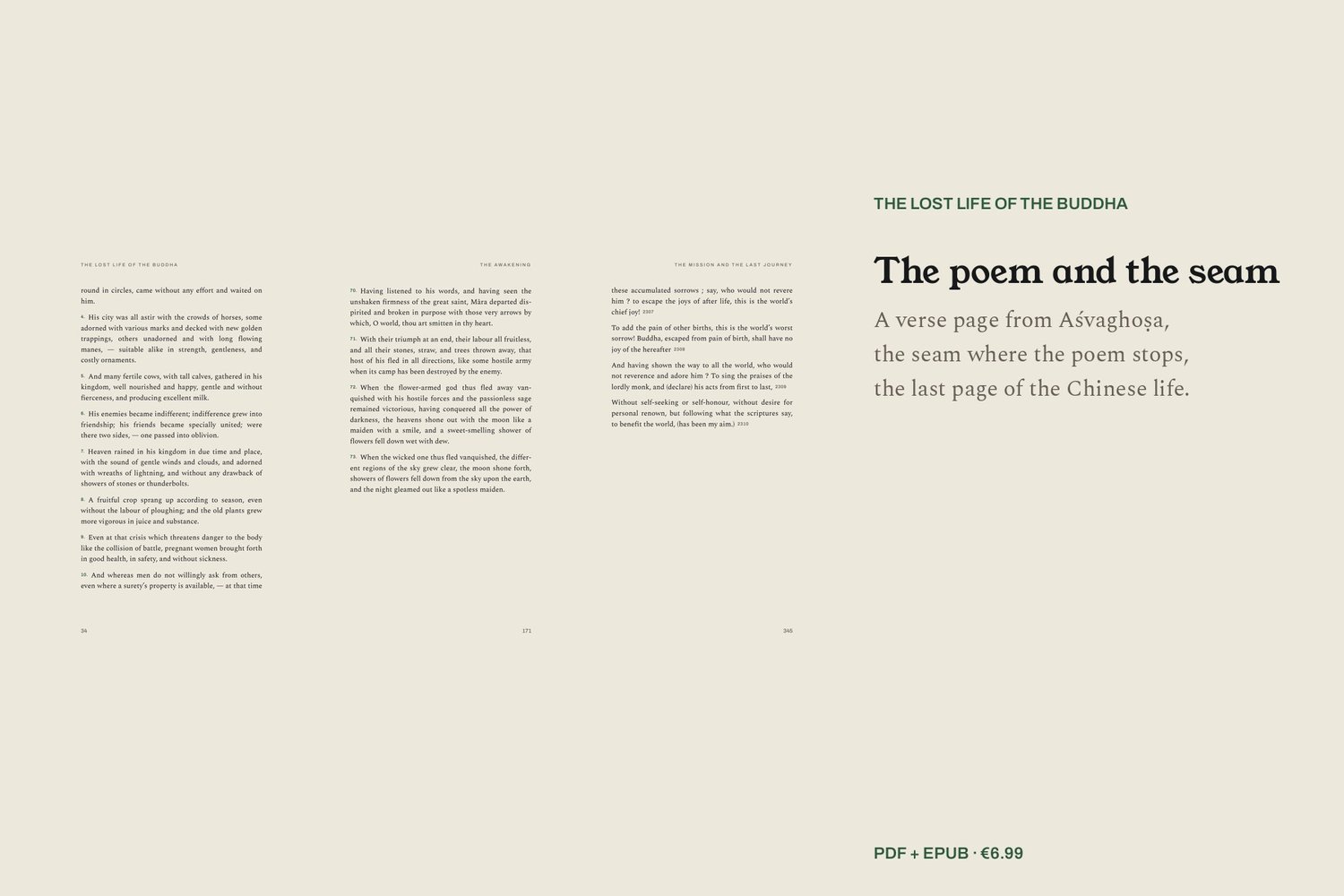
This book prints the two halves as one life. The first part is the poem as it survives, in
E. B. Cowell's translation of 1894, complete to the night of the temptation. The second
part is the lost half as the Chinese kept it, in Samuel Beal's translation of 1883, from
the enlightenment to the relics. The join is marked in the text, because it is an
editorial join: the Sanskrit and the Chinese are different works, and the seam says so in
plain words.
Inside
- the Sanskrit poem, Books I–XIII complete, in Cowell's translation: the birth, the
palaces, the four sights, the flight by night, the years of penance, and the assault of
Māra, where the poem stops;
- the seam: the page where the Sanskrit ends, printed as it should be, half empty;
- the Chinese life, from the enlightenment to the division of the relics, in Beal's
translation: the night of the awakening, the first turning of the wheel, the disciples,
the parinirvāṇa, and the relics;
- an appendix rarely reprinted: the four books made in Nepal in 1830 by Amṛtānanda, who
searched for the lost cantos everywhere, could not find them, and wrote them himself;
- a preface on the poem and its two halves, and the legend from *Journey to the West* that
explains the broken scripture;
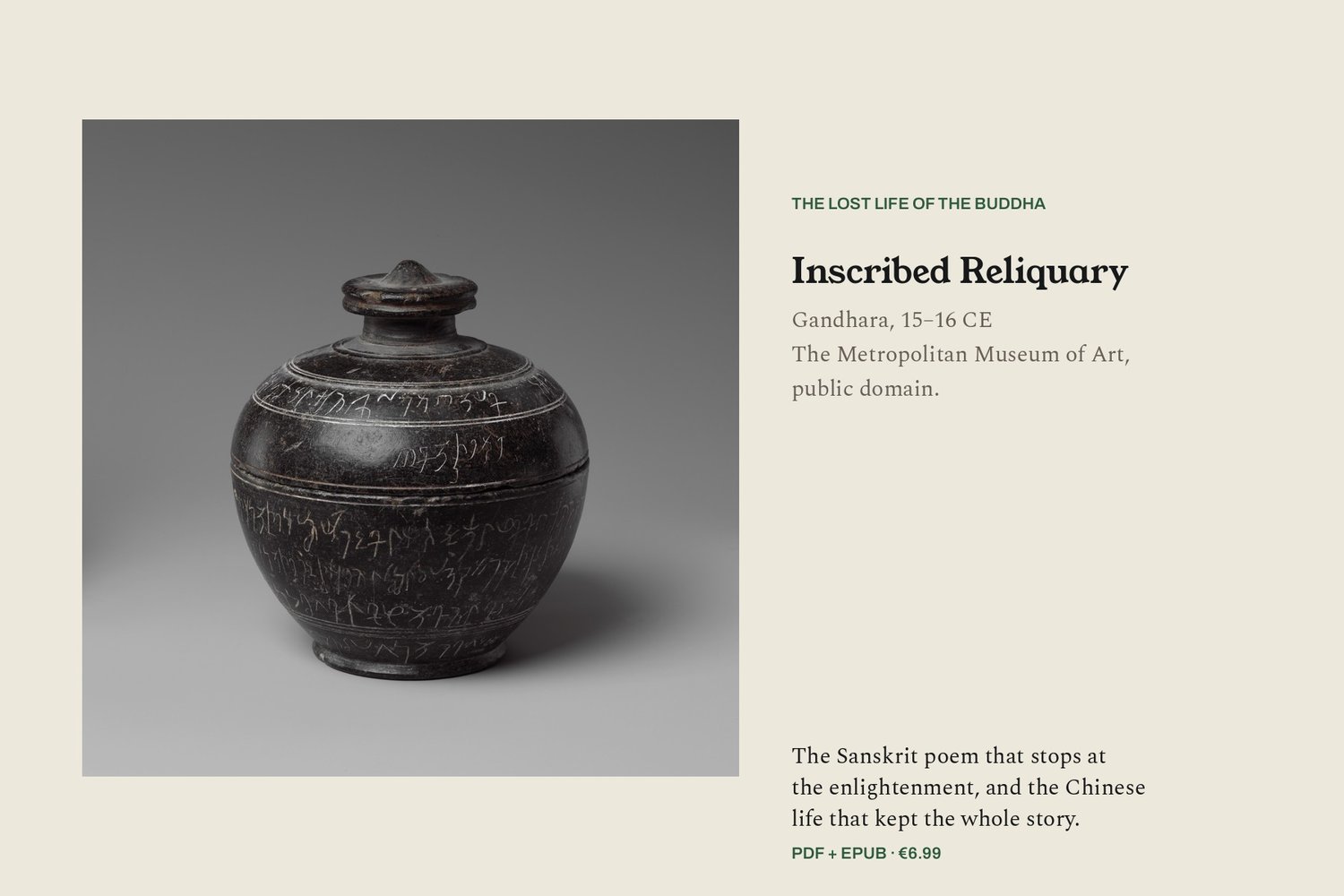
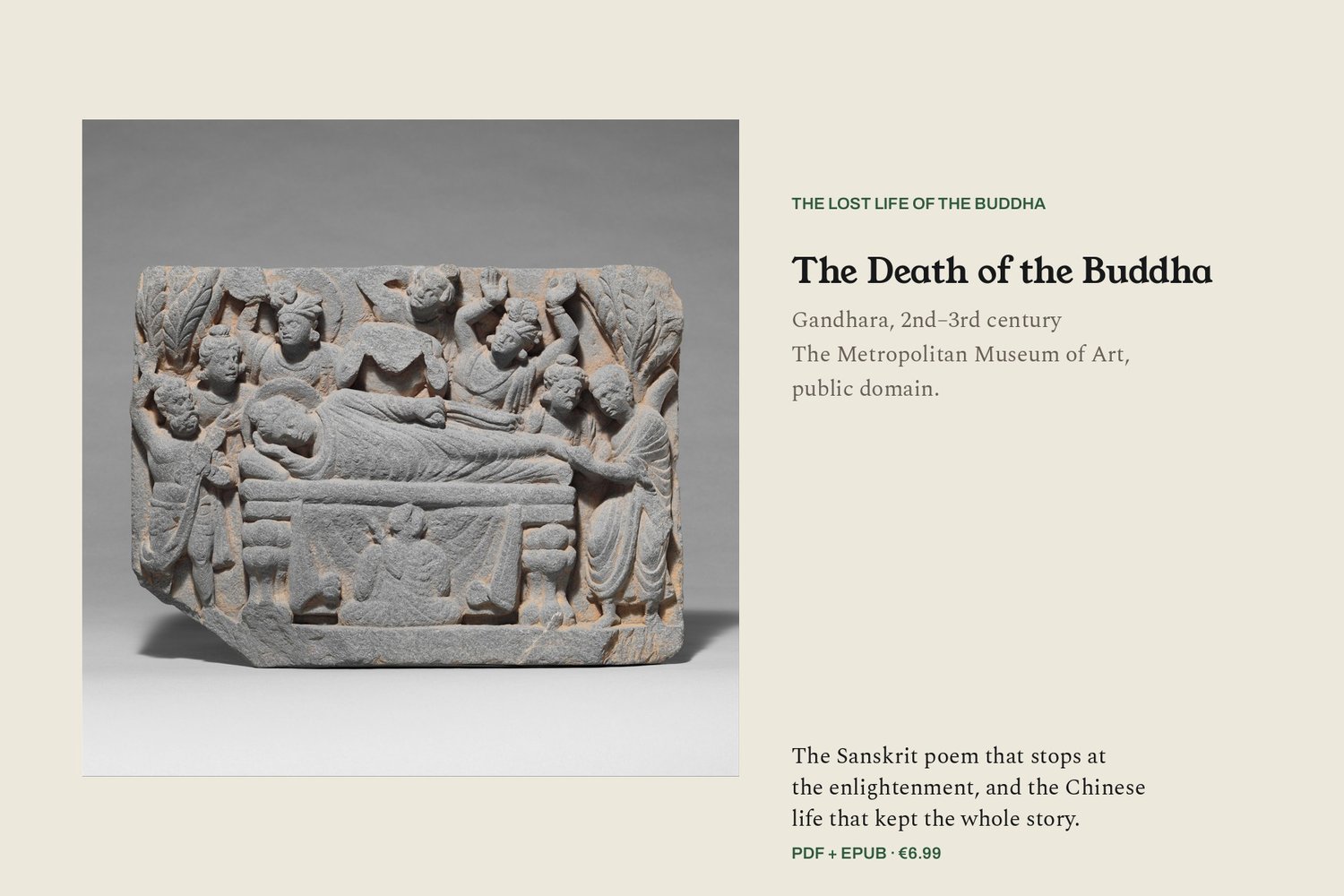
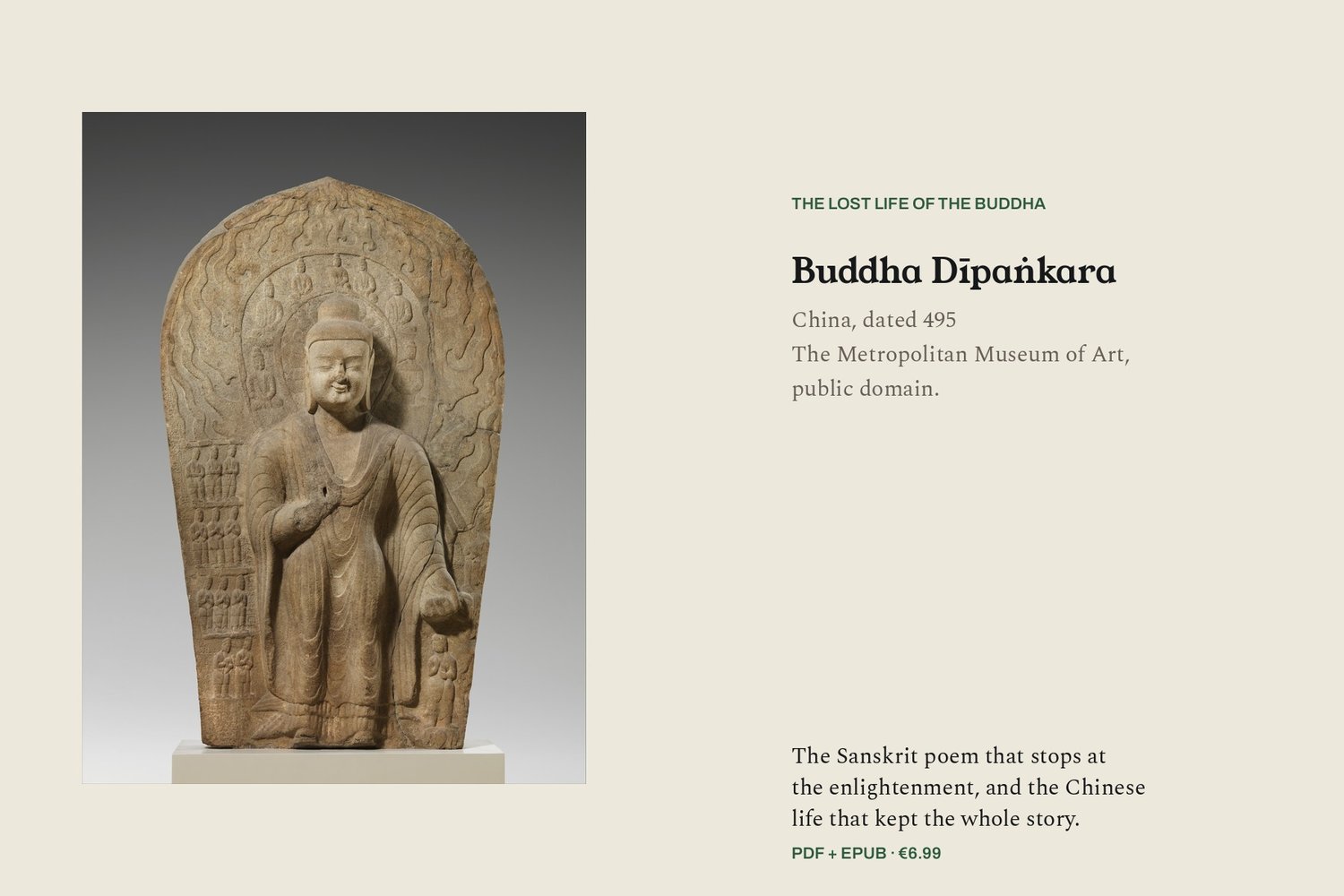
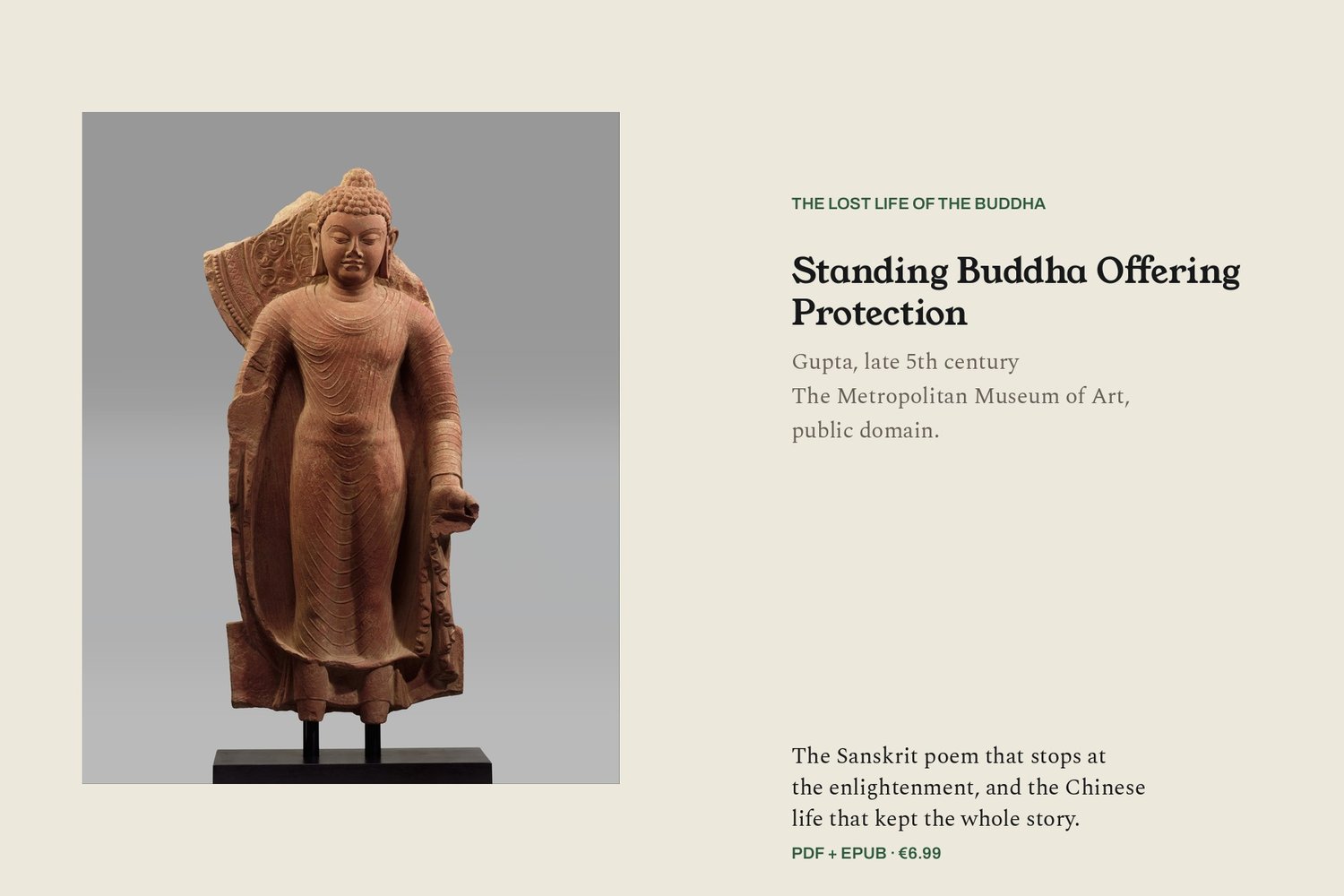
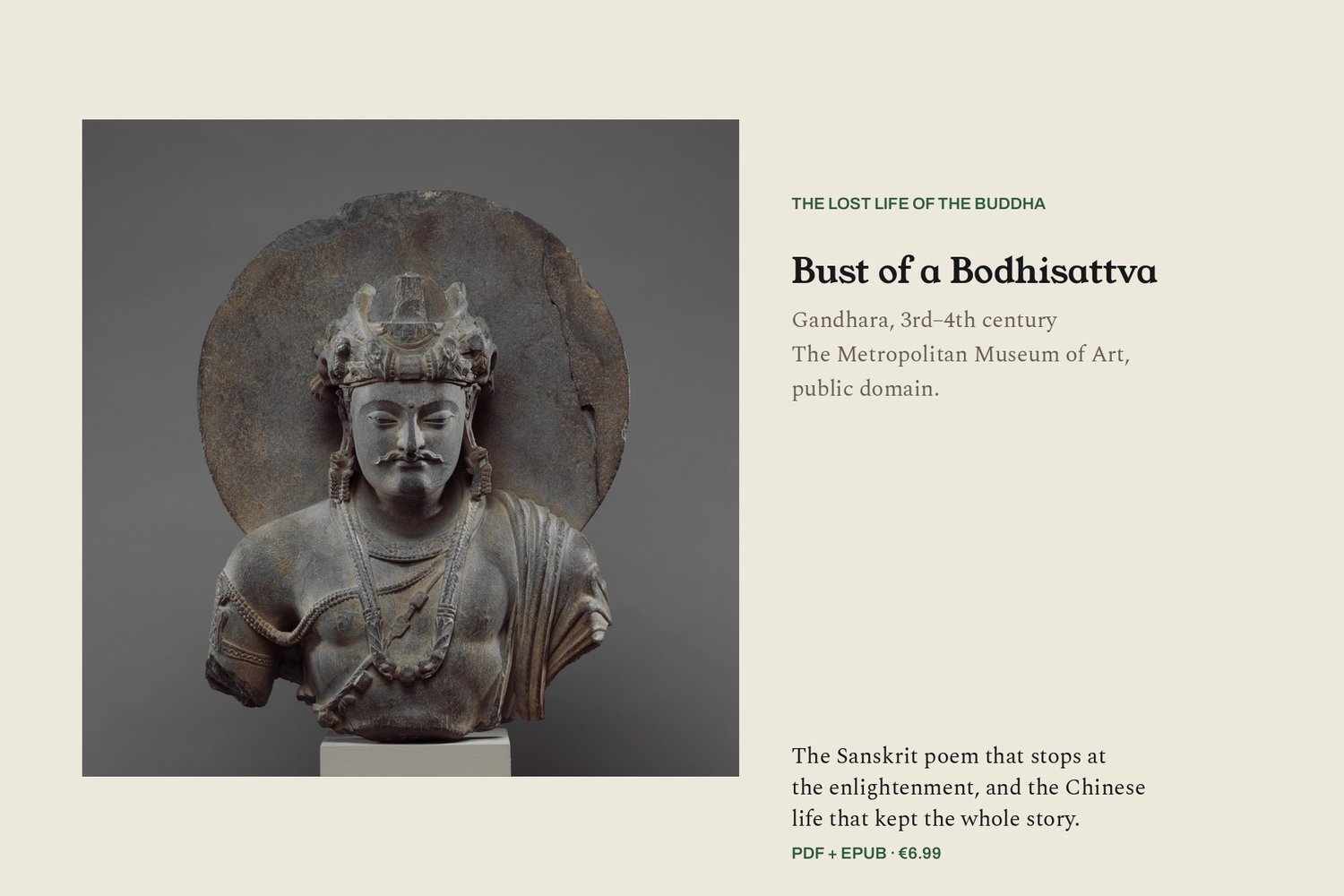
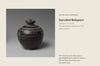
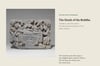
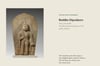
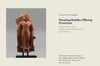
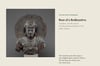
- ten plates, all real objects, all public domain, from the Metropolitan Museum of Art:
Gandhara Buddhas, Gupta sculpture, a Chinese Dipankara of 495, a Gandhara parinirvāṇa,
and a reliquary inscribed by King Indravarman;
- apparatus: a chronology of the life and of the text, a register of persons, a register of
places, a note on the two texts, a note on the sources, and the plate register.
The edition
Designed at 5 × 8 inches in the house historical register — Young Serif, Spectral and
Archivo on a warm paper ground, with a bodhi green for the accent and the seam printed on
ink. 418 pages.
The text
The Sanskrit poem is Cowell's translation (1894); the Chinese life is Beal's (1883); both
are from the Sacred Books of the East and both are public domain — Cowell died in 1903 and
Beal in 1889. The translators' footnotes are omitted, with the textual facts they carried
moved to the apparatus; nothing inside the two texts is modernised, paraphrased or
shortened, and the two selections are disclosed in the note on this edition.
You receive
- a 418-page designed PDF at 5 × 8 inches, for screen reading or printing at home;
- a reflowable EPUB, with the plates intact and the fonts embedded, for Kindle, Kobo,
Apple Books and phone;
- DRM-free — yours to keep and move between devices.
Newly set and edited by Vishal T · @whatiamreadingtoday7