Archives 101: Guided Cohort
Learn how archives really work with a small group, live sessions, and feedback from me. The founding cohort starts in January 2027 and is capped at 15 seats.

Learn how archives really work with a small group, live sessions, and feedback from me. The founding cohort starts in January 2027 and is capped at 15 seats.
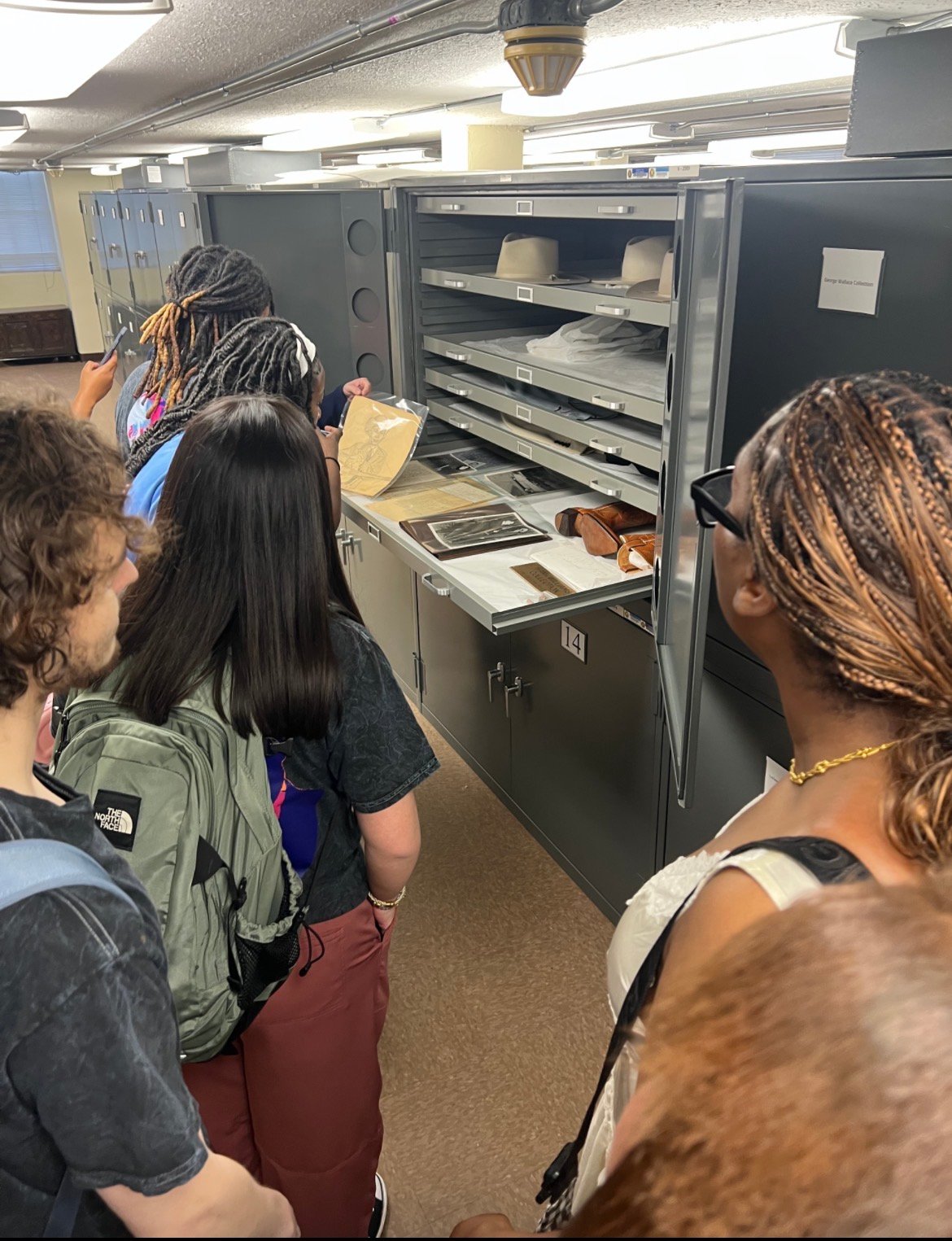
The guided cohort is for anyone who wants to learn archives with structure, accountability, and a real archivist in their corner. It's for students curious about the field, career changers wondering if they need a master's degree, staff who handle records without formal training, and anyone with a box of family photos and no idea where to start.
You'll work through the full Archives 101: Foundations course with a group of no more than 15 people, one module a month starting in January 2027. Each month we meet live to talk through the module, and I give you written feedback on your work.
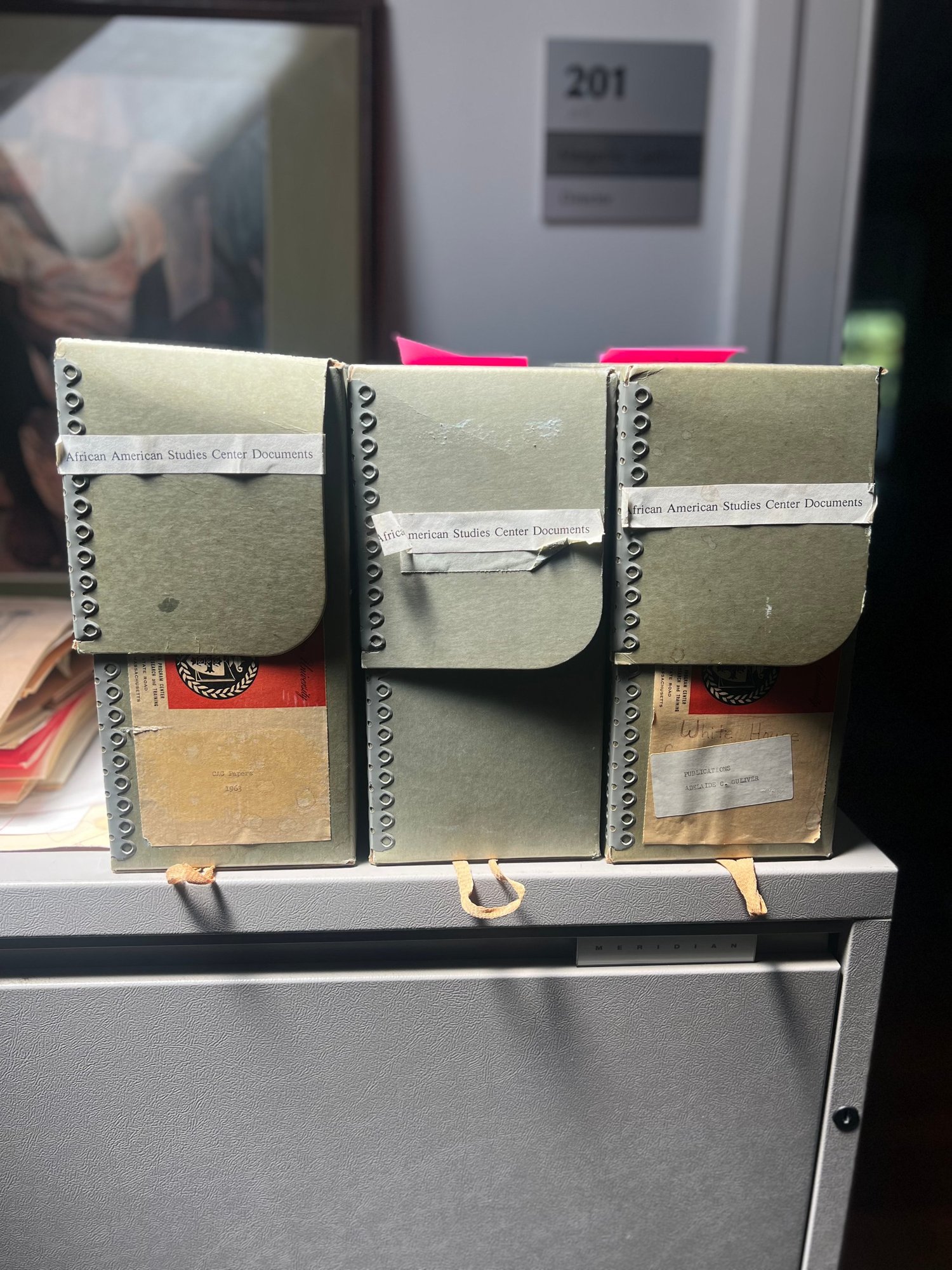
You won't just watch. From the first lesson, you'll work on one real collection of your own, like your family's papers, a club scrapbook, or your congregation's records. By the end, you'll have a collection that is surveyed, appraised, and rehoused, a portfolio of real archival work, volunteer hours with national institutions for your resume, and a one-on-one call with me about your next step.
With the cohort, you get:
Plus everything in Foundations:
The cohort moves through one module a month, from January to May 2027, with a live session each month. Here's the plan.
January: Start Here and Module 1, What Archives Are. You'll choose the collection you'll practice on and learn what makes a record a record, what archivists actually do, a short history of archives, and how power and silence shape who archives serve.
February: Module 2, Acquisition and Appraisal. You'll follow the life cycle of a record, learn how value is determined, and survey and inventory your collection.
March: Module 3, Preservation and Care. You'll learn what archives are made of and what damages them, then write a condition report and rehouse your collection.
April: Module 4, Breaking Into the Field. You'll get an honest look at the degree and the job market, and you'll build your archival story, resume, and cover letter.
May: Module 5, Next Steps. You'll build your professional network, choose what comes next, and meet with me one-on-one to plan it.
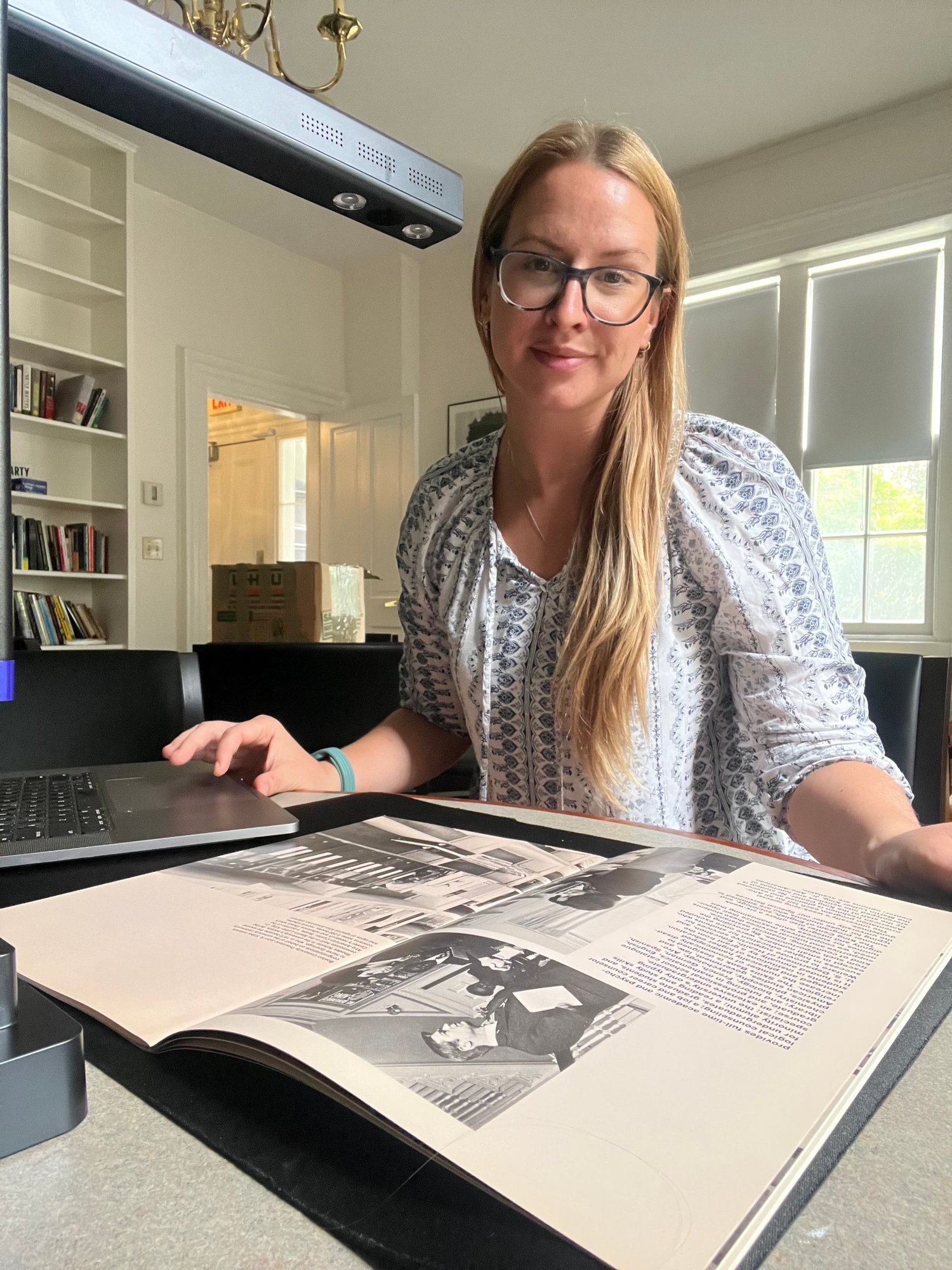
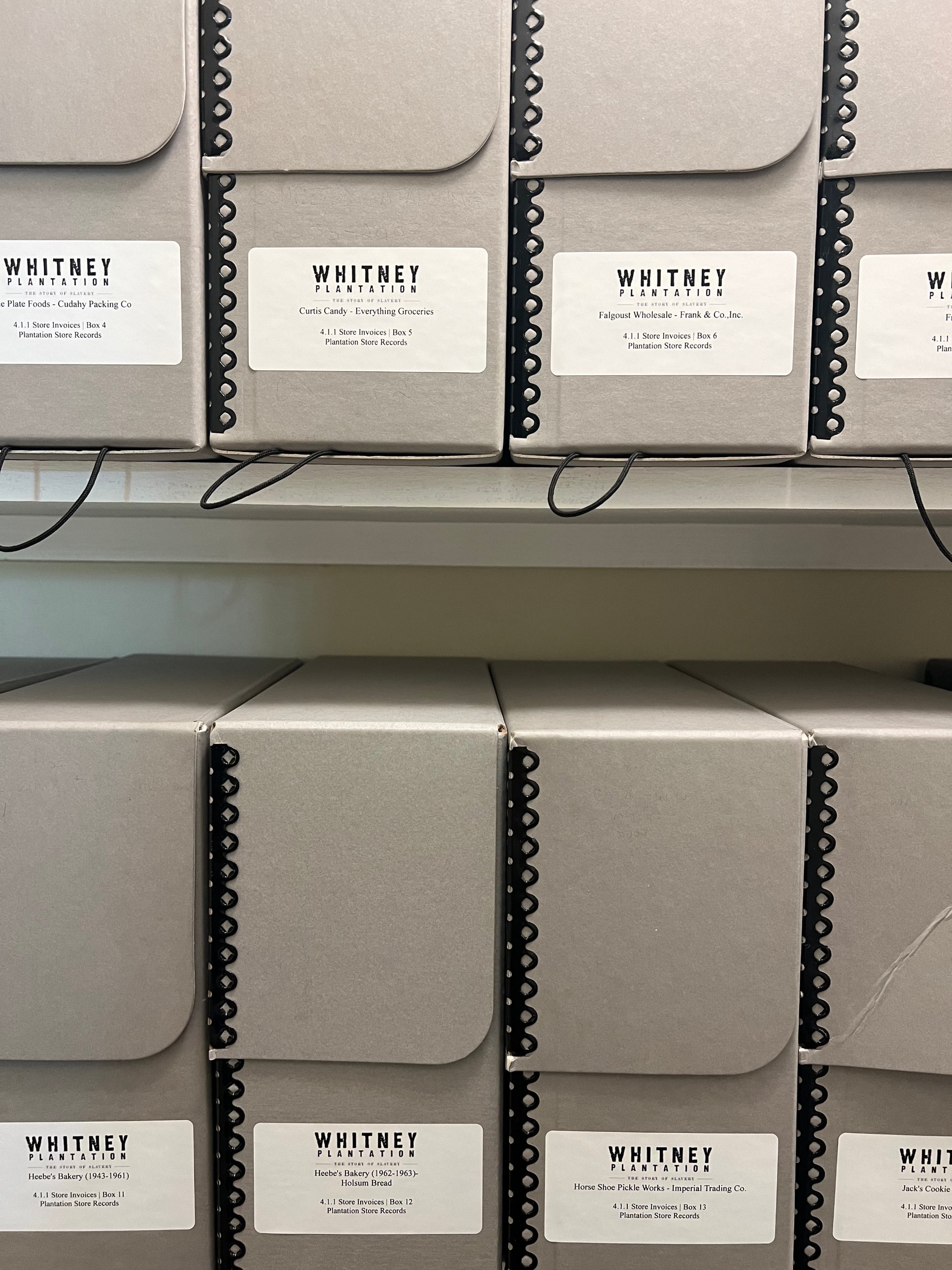
I'm Mary Snyder, a PhD Candidate, consulting archivist, and public historian with more than ten years in archives, museums, and historic sites, including Whitney Plantation, Boston University, The Henry Ford, and Monticello. I teach this the way I wish someone had taught me: honestly, practically, and with care for the people in the records.
By May, you won't just know about archives. You'll have done the work, and you'll be able to prove it.
Real experience
Skills you can use on the job
A stronger resume
When does it start, and how does payment work?
The founding cohort starts in January 2027. As a student, you pay $390 in four monthly payments of $97.50, and your first payment holds your seat. There are only 15 seats, so enrollment closes when they're gone.
What if I miss a live session?
Every session is recorded and posted in the Cohort Hub, so you can watch it later and still send me your work for feedback.
Do I need my own collection?
You need something to practice on, but it doesn't have to be big or old. Family papers, a club scrapbook, a box of letters, or a bundle of old photos all work. We'll choose yours together in January.
Do I need any experience?
No. The course starts at the beginning and assumes no background in archives.
What if I change my mind?
You can get a full refund until two weeks before the cohort starts. After that, payments are non-refundable, but you keep lifetime access to every lesson and the workbook.