



Windows Security Internals
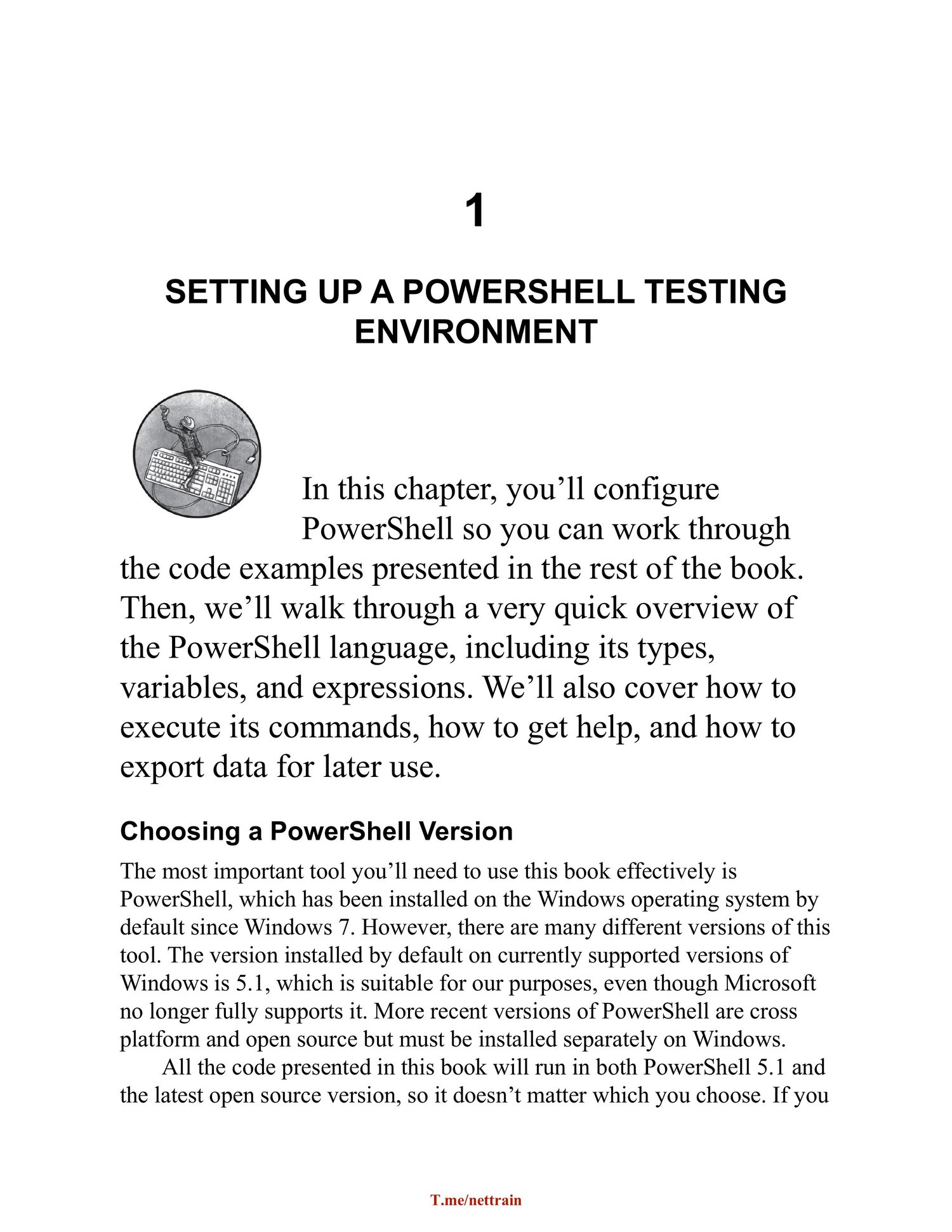
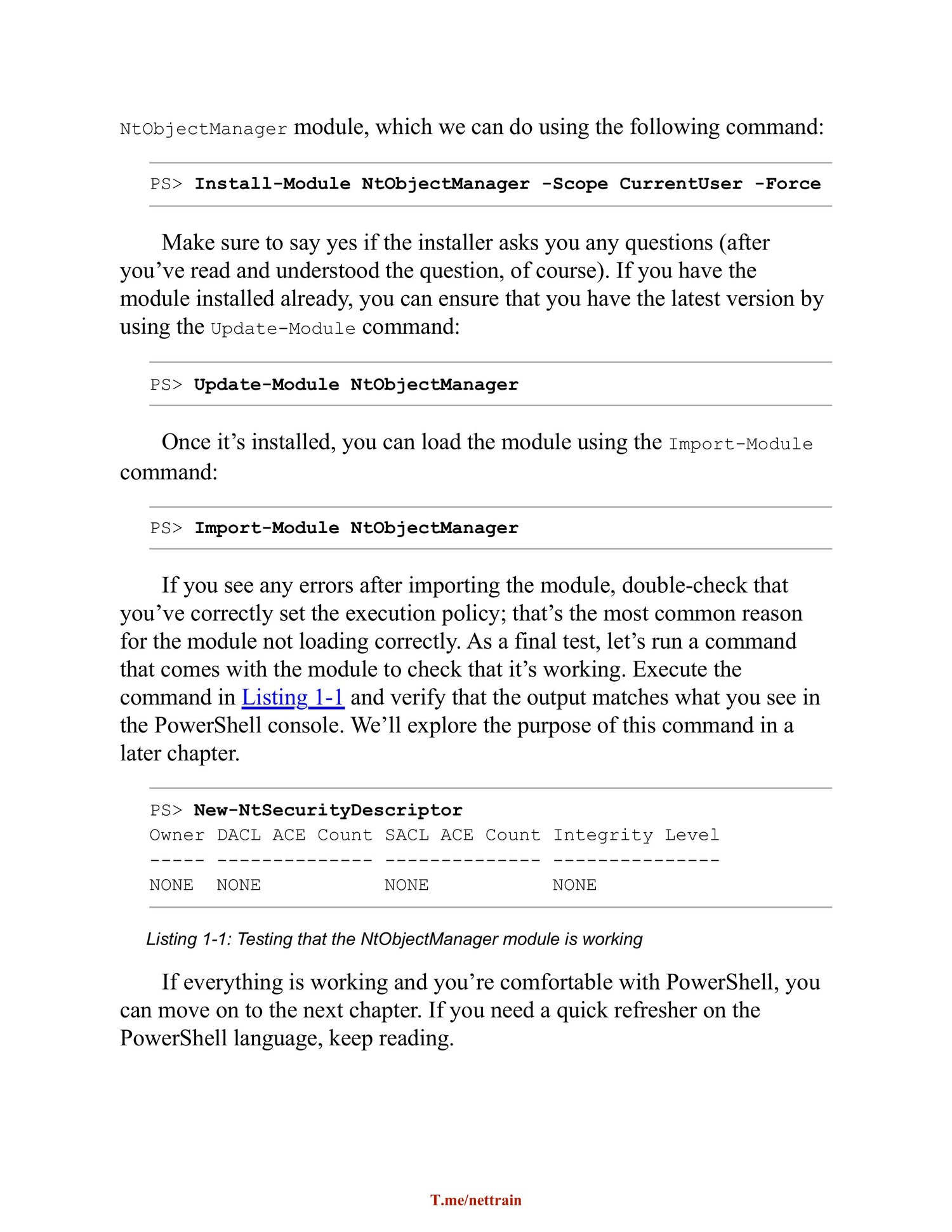
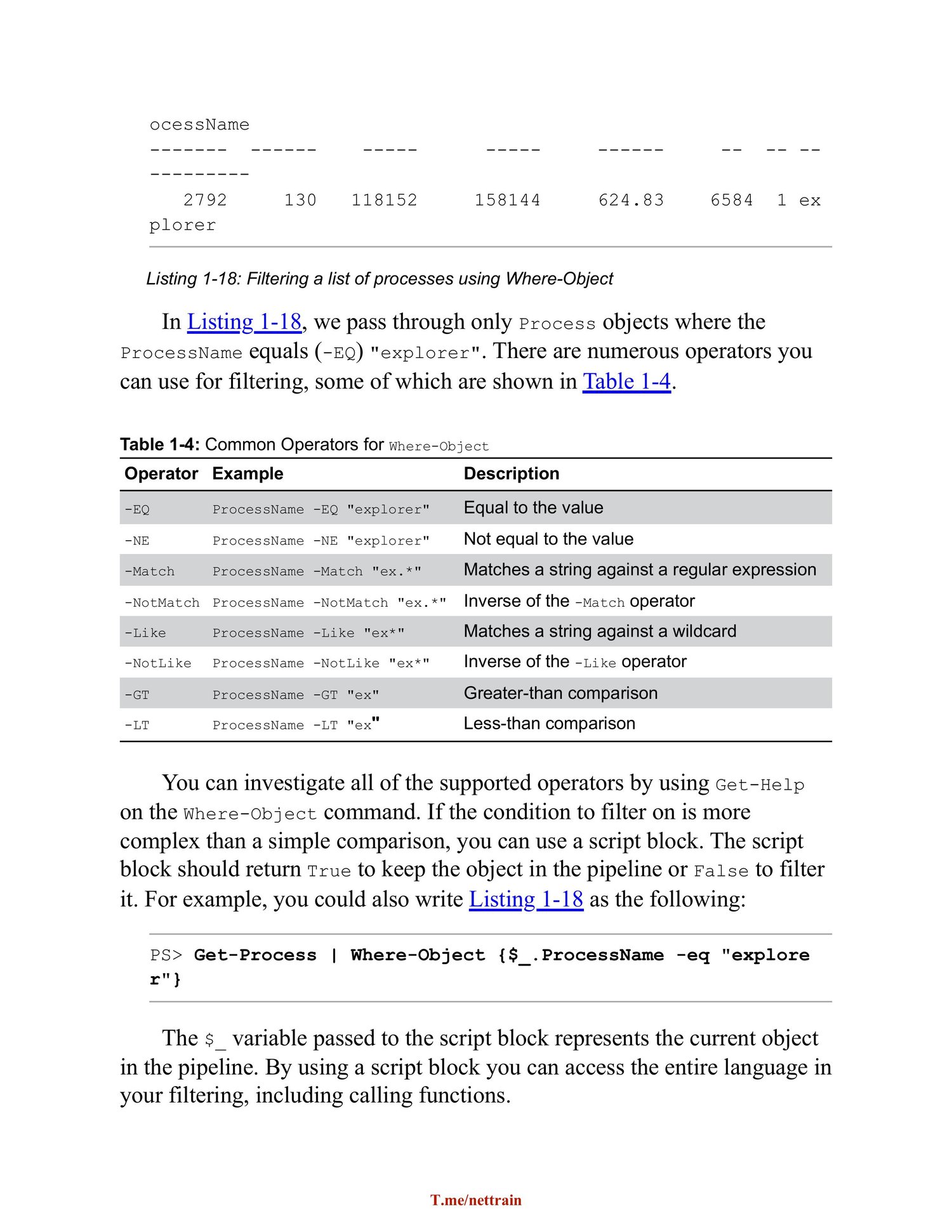
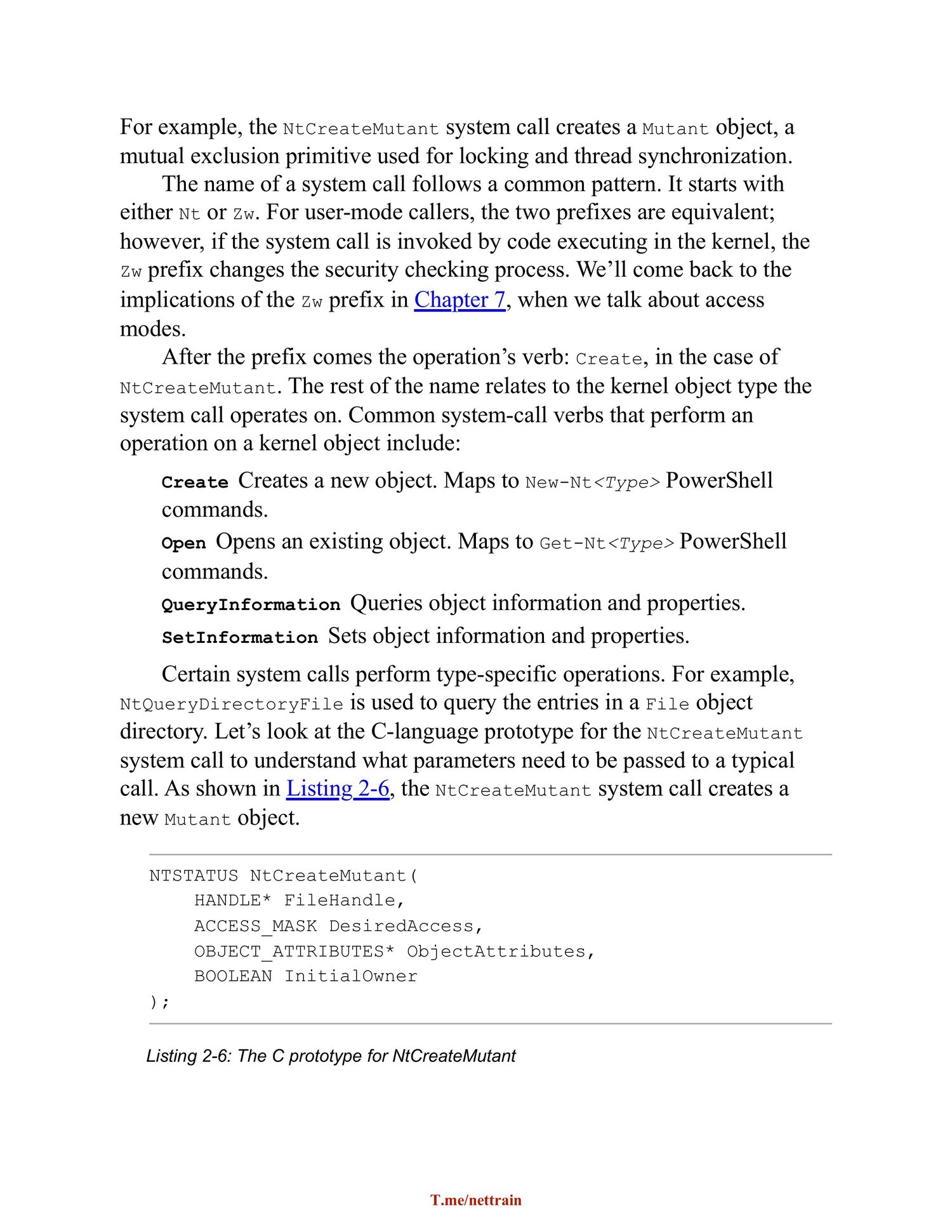
Windows Security Internals explain how the Windows operating system protects itself at a deep, architectural level. It focuses on the core components, processes, and mechanisms that enforce security, control access, and defend against attacks.
This topic covers how Windows handles authentication, authorization, privilege management, memory protection, and malware defense inside the OS kernel and user mode.
Key areas include:
Windows Security Architecture (Kernel mode vs User mode)
Authentication & Authorization (LSA, SAM, Active Directory, Kerberos, NTLM)
Access Tokens & Privileges (How Windows decides what a process can do)
Process, Thread & Memory Security
User Account Control (UAC)
Windows Defender & Exploit Guard
Credential Protection (LSASS, Credential Guard)
Secure Boot & BitLocker
Event Logging & Auditing
Attack Techniques & Defense Mechanisms (Pass-the-Hash, DLL injection, token impersonation)
Understanding Windows Security Internals is essential for SOC analysts, malware analysts, ethical hackers, digital forensics investigators, and system administrators, as it reveals how attacks bypass defenses and how Windows detects and blocks them.