

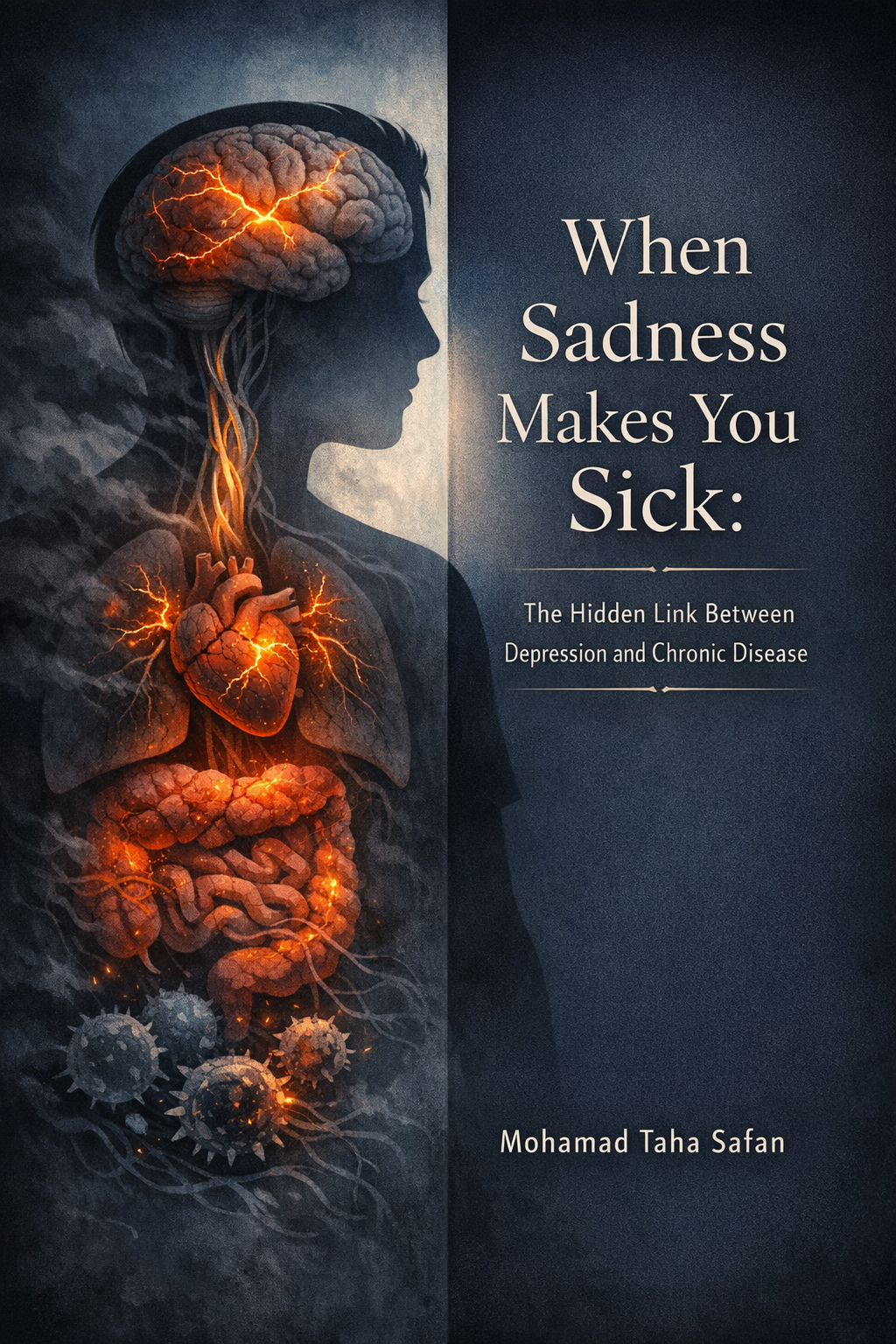

When Sadness Makes You Sick: The Hidden Link Between Depression and Chronic Disease
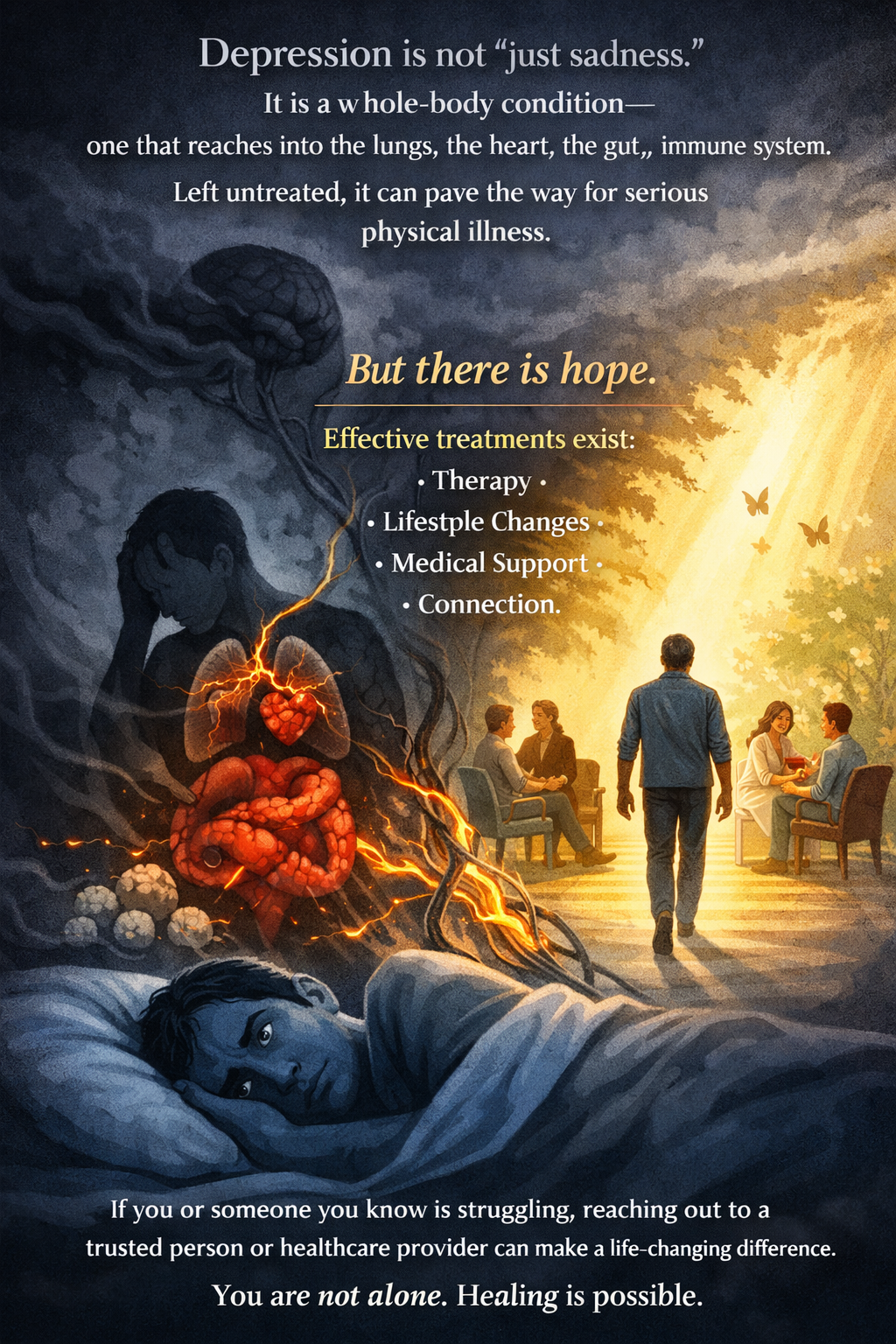
This book delivers a powerful and eye-opening exploration of depression as a systemic, whole-body condition, moving beyond the conventional view of it as solely a mental health issue. Drawing on research from the World Health Organization and major health studies, it systematically details how depression acts as a biological amplifier and independent risk factor for a host of chronic physical diseases.
The book begins by establishing the central mechanisms through which depression wreaks havoc on the body—chronic inflammation, dysregulation of the hypothalamic-pituitary-adrenal (HPA) axis, hormonal imbalances, and autonomic nervous system disruption. It then dedicates chapters to exploring the devastating links between depression and:
- **Cardiovascular Disease:** How depression drives heart disease, heart attacks, and stroke through inflammation and hormonal stress.
- **Type 2 Diabetes:** The hormonal and behavioral pathways that create a vicious cycle between mood disorders and metabolic dysfunction.
- **Respiratory Illnesses:** How depression worsens inflammation and weakens immunity in asthma and COPD.
- **Arthritis & Chronic Pain:** The acceleration of joint deterioration and increased pain sensitivity caused by depression.
- **Neurological Disorders:** The increased risk of migraines, cognitive decline, and dementia linked to long-term depression.
- **Immune System:** The suppression of the body's defenses, leading to frequent infections and slow wound healing.
- **Cancer:** The indirect but significant influence of depression on cancer risk and outcomes through behavior and immune function.
- **Gastrointestinal Diseases:** The disruption of the gut-brain axis, worsening IBS, reflux, and chronic stomach pain.
- **Sleep Disorders:** The destructive, bidirectional cycle between insomnia, fatigue, and depression.
The book concludes with a hopeful message: by recognizing the mind-body connection, integrated care that treats both the mental and physical aspects can break these cycles, improve health outcomes, and restore quality of life.