
prs016 23andme format raw dna data
The Late Neolithic farmers of Ireland were primarily descended from Anatolian migrants who spread agriculture across Europe during the Neolithic period. These early farmers also had some admixture from the indigenous European hunter-gatherers—populations that had lived in Europe since the Upper Paleolithic. While the hunter-gatherers were largely nomadic and left limited archaeological evidence—such as stone tools, cave art, and symbolic artifacts like Venus figurines—the arrival of farming marked a dramatic shift. These Anatolian-derived farmers introduced not only crop cultivation and animal husbandry (such as cattle and sheep herding), but also a more settled way of life. Agriculture required communities to remain in one place, tending to fields and managing food supplies, which laid the foundation for permanent settlements. During this transition, some of the first organized villages—and eventually larger communal structures—began to appear across Europe. In Western Europe, particularly in Ireland and Britain, these early farming societies developed what is known as the megalithic tradition, named for the massive stone monuments they erected, often as communal tombs or ritual sites to honor the dead.
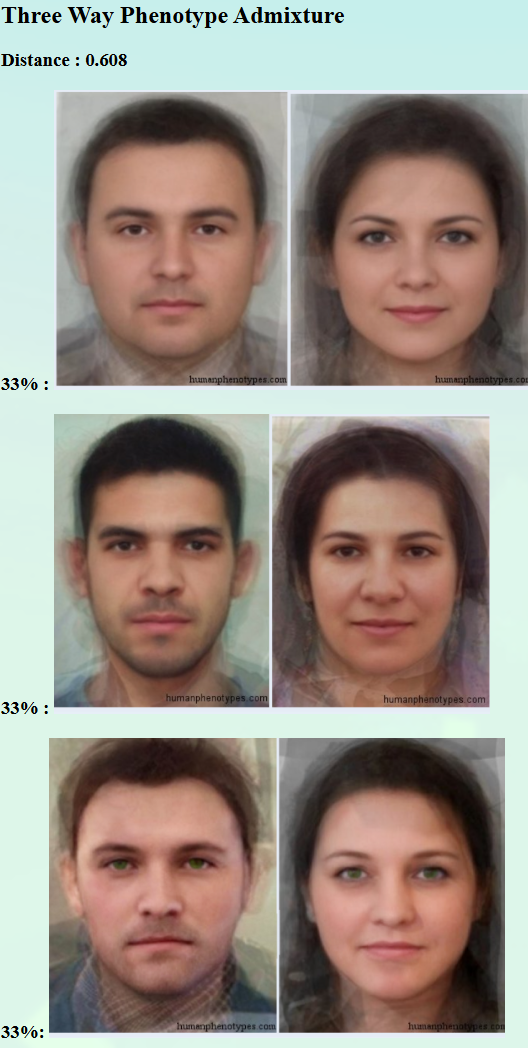
This video will be about a megalithic Irish sample living in the late neolithic period, a millennium before the Indo-European arrival in Ireland. Here is his predicted phenotype and closest modern populations. I ran him through my trait predictor tool for DNA analysis.