
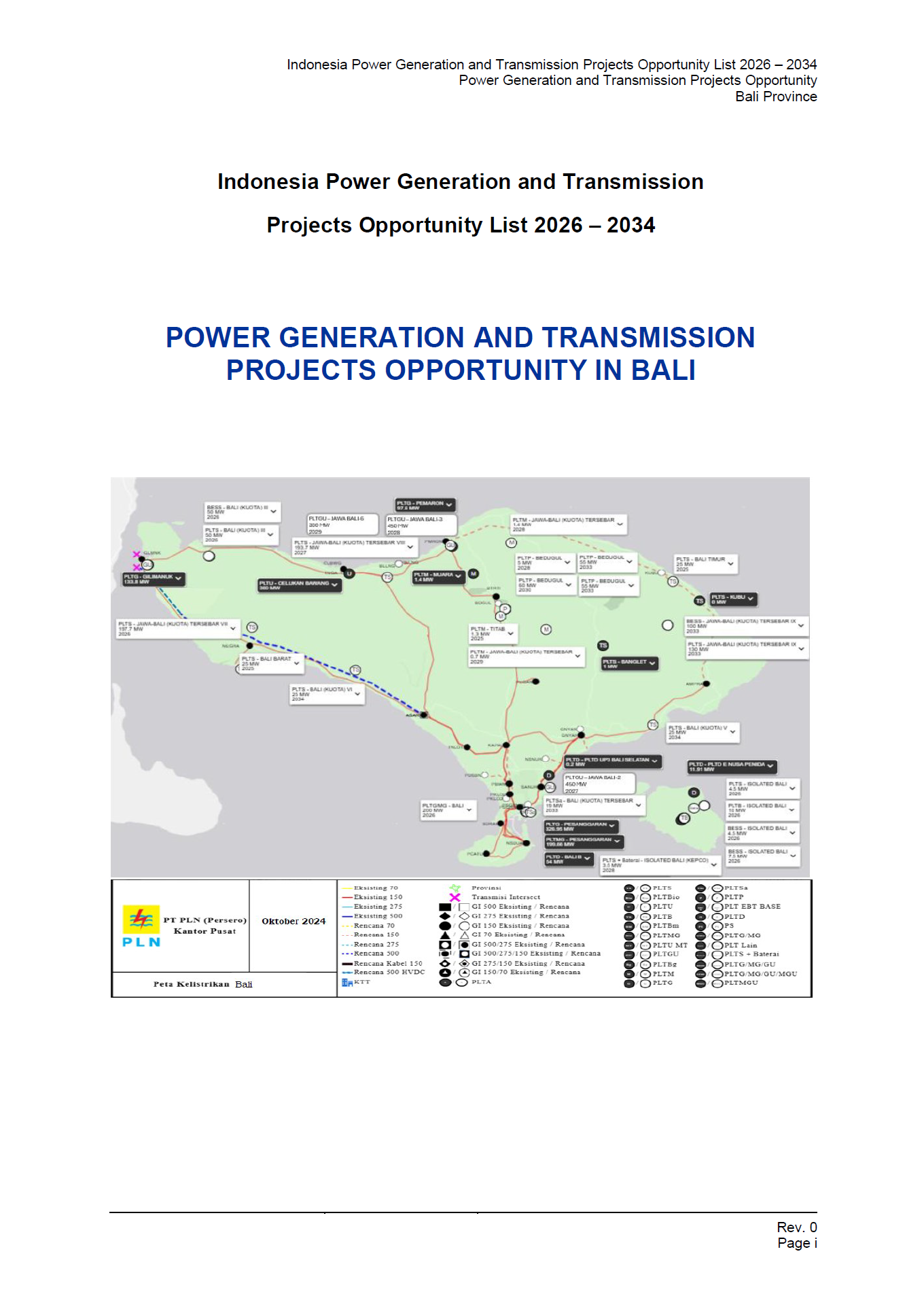
Power Generation, Transmission, and Substation Projects Opportunity in Bali 2026 - 2034
In the heart of Indonesia's vibrant archipelago lies Bali, an island not just renowned for its breathtaking beaches and cultural heritage, but increasingly as a powerhouse in the global shift toward sustainable energy. As the world grapples with climate change and the urgent need for renewable sources, Bali stands at the forefront of this transformation. Imagine tapping into a market where government-backed initiatives are propelling a surge in renewable energy projects, smart grid integrations, and massive infrastructure expansions. This is not a distant dream, it's the reality outlined in our exclusive report, "Indonesia Power Generation and Transmission Projects Opportunity List 2026–2034: Focus on Bali Province."
Indonesia, as Southeast Asia's largest economy, is on a trajectory to become a global leader in renewable energy adoption. The nation's National Electricity Supply Business Plan (RUPTL) 2025–2034 emphasizes accelerated renewable energy development (ARED), aiming for a dramatic increase in clean power sources to meet escalating demands from tourism, industry, and population growth. Bali, with its unique blend of natural resources, geothermal potential of 335 MWe across six sites, 22 GW of solar, and 1.5 GW of wind, is poised to lead this charge. The province's peak load was 1,164 MW in 2024, and projections indicate a significant surge, necessitating investments in generation, transmission, and substations. Our report dives deep into this ecosystem, providing a roadmap from 2026 to 2034 that could unlock billions in opportunities for engineering, procurement, and construction (EPC) firms, independent power producers (IPPs), investors, and stakeholders.
What makes this report stand out in a sea of generic market analyses? It's not just data, it's actionable intelligence derived from the National Electricity Supply Business Plan (Rencana Usaha Penyediaan Tenaga Listrik - RUPTL) 2025 - 2034, and aligned with national policies like Governor Regulation No. 45 of 2019 for 100% renewable energy by 2030 and No. 48 of 2019 for electric vehicle adoption.
Delving into the current state of Bali's power system, the report paints a vivid picture of an island reliant on a mix of inter-island transfers (380 MW via Java-Bali submarine cables), local generation (1,142 MW total, with 567 MW non-fuel-based and 568 MW thermal), and emerging renewables (6.9 MW from mini hydro and solar). This baseline analysis is crucial for understanding the gaps and growth potential. For instance, the Celukan Bawang Coal-Fired Power Plant provides base-load stability, but the shift toward regasification of fuel-oil plants and integration of new renewables signals a market ripe for innovation. The insights provided in this report enable strategic positioning, whether you're an IPP eyeing Power Purchase Agreements (PPAs) or an EPC contractor bidding on transmission lines.
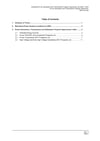
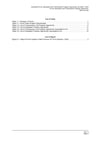
The core of the report lies in Section 3: Power Generation, Transmission, and Substation Projects Opportunities in Bali. Here, potential energy sources are explored in detail, highlighting Bali's abundant geothermal, solar, biomass, and wind resources. The document notes that primary fuels like diesel, LNG, and coal are imported, but local NRE (New and Renewable Energy) prioritization could reduce costs and enhance sustainability. For power plant EPC and investment prospects, Table 3-1 lists 28 projects, spanning mini hydro (PLTM), solar (PLTS), gas engines (PLTMG), combined cycles (PLTGU), geothermal (PLTP), waste-to-energy (PLTSa), wind (PLTB), and battery storage (BESS).
This prospects list isn't just names and numbers, it's a blueprint for profitability. Prospective projects are tied to verified quotas, ensuring funding readiness and regulatory compliance. For those in business development, the report underscores how expansions mitigate risks from Java-Bali Connection (JBC) delays, transitioning to peaker roles post-interconnection. Dual-fuel capabilities for gas and oil add operational flexibility, aligning with load growth and key account customers.
Transmission EPC prospects in Table 3-2 are equally compelling, detailing 52 routes totaling 885 km, from 150 kV high-voltage lines (SUTT) to 500 kV extra-high voltage (SUTET). These projects support power evacuation, backbone reinforcement, and sales growth, with scopes from new 2-circuit SUTT to reconductoring. The JBC itself, a 185 km, 2,000 MW link with a 3 km subsea cable, promises cost reductions and enhanced reliability, traversing national parks with permits secured since 2013.
Substation opportunities in Table 3-3 cover 64 projects totaling 3,320 MVA, and uprates for voltage stability with 200 MVAr reactors. These developments ensure grid resilience, load accommodation, and HV plant integration. Additionally, the report touches on the Sumatra-Java Interconnection (ISJ), with related West Java projects in Tables 3-4 and 3-5, emphasizing the broader Green Enabling Super Grid.
Why invest in this report now? Bali's energy market is at an inflection point. Tourism-driven demand, coupled with policies for Eco-Green Island status and Bali EcoSmart grid, creates a fertile ground for smart investments. The ARED initiative leverages local resources for lower electricity costs (BPP), job creation, and emission reductions. For EPC firms, the detailed timelines and statuses (construction, procurement, plan) allow precise bidding strategies. Investors can identify high-return prospects, like geothermal at Bedugul or solar quotas, with PPAs and SPJBTLs (Power Purchase Agreements) facilitating entry.
Consider the competitive edge this report provides. In a sector where information asymmetry can make or break deals, having access to PLN-verified data on feasibility, interconnections, and financial viability positions you ahead of rivals. Hypothetically, imagine an IPP using this intel to secure a PPA, or an EPC contractor winning the EPC contracts by understanding environmental permits. Real-world parallels abound, similar reports have driven multimillion-dollar investments in Indonesia's renewables, as seen in the rapid uptake of solar in Java. This document isn't speculative; it's grounded in RUKN (National Electricity General Plan) and the RUPTL 2025-2034 frameworks.
This is more than a report, it's your strategic partner in navigating one of Asia's hottest energy markets. Whether you're expanding your portfolio, assessing risks, or developing business, this document equips you with the knowledge to thrive.