

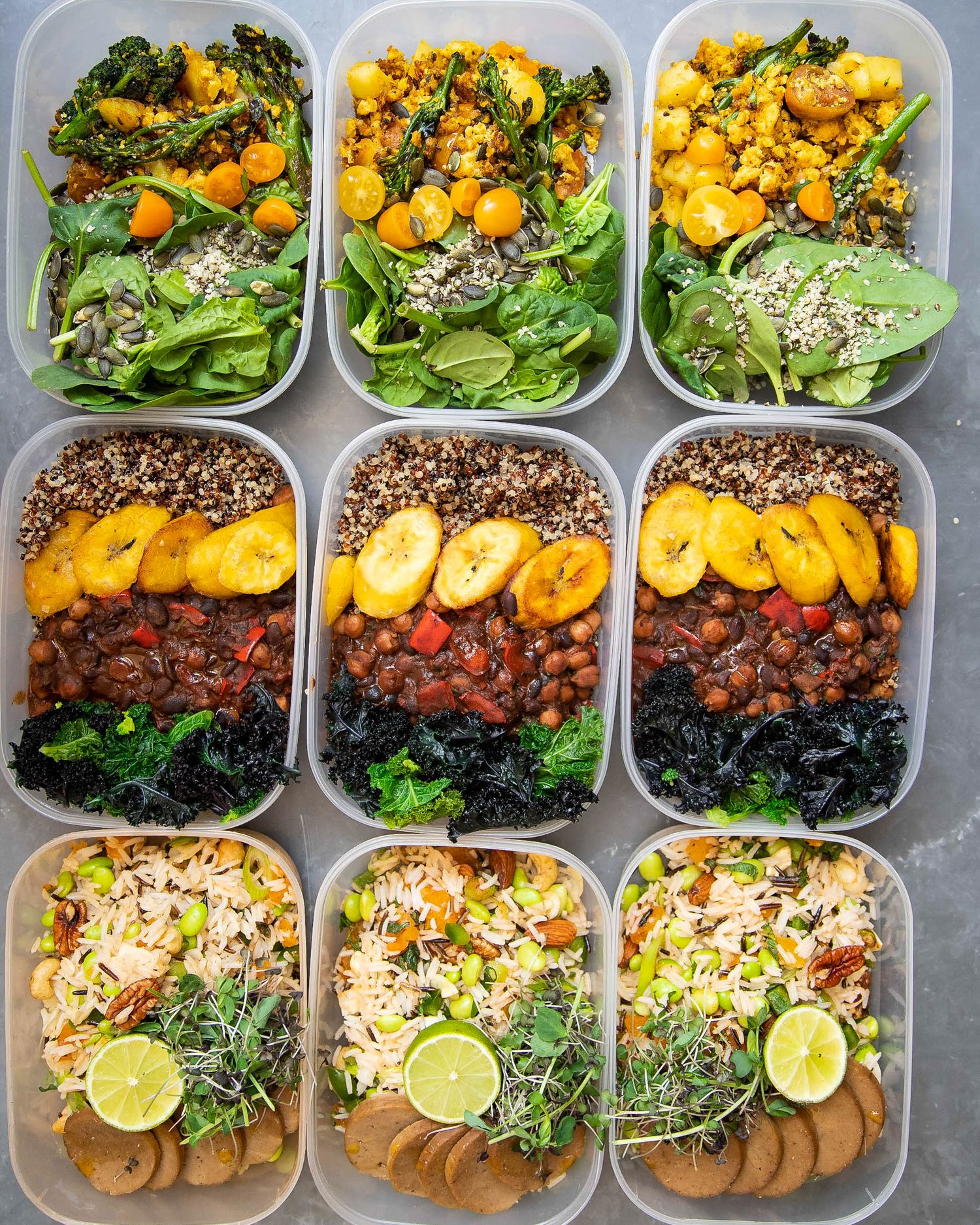
Vegan Nutrition Plans
Vegan nutrition plans center on plant-based foods only — vegetables, fruits, whole grains, legumes, nuts, and seeds — while excluding all animal products, including meat, dairy, eggs, and honey. A well-planned vegan diet can meet nutritional needs at every life stage, but it requires some intentional planning since certain nutrients are harder to get from plants alone. Key areas to watch include vitamin B12 (typically needs supplementation, since it's not reliably found in plant foods), iron and zinc (found in beans, lentils, and fortified grains, though absorbed less efficiently than from animal sources), omega-3 fatty acids (from flaxseed, chia seeds, walnuts, or algae-based supplements), calcium (from fortified plant milks, tofu, and leafy greens), and protein (from combining sources like legumes, grains, tofu, and tempeh throughout the day). Because of these considerations, it's a good idea to consult a doctor or registered dietitian when starting a vegan diet, especially for children, pregnant or breastfeeding people, or anyone with existing health conditions.