



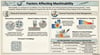


Factors affecting machinability
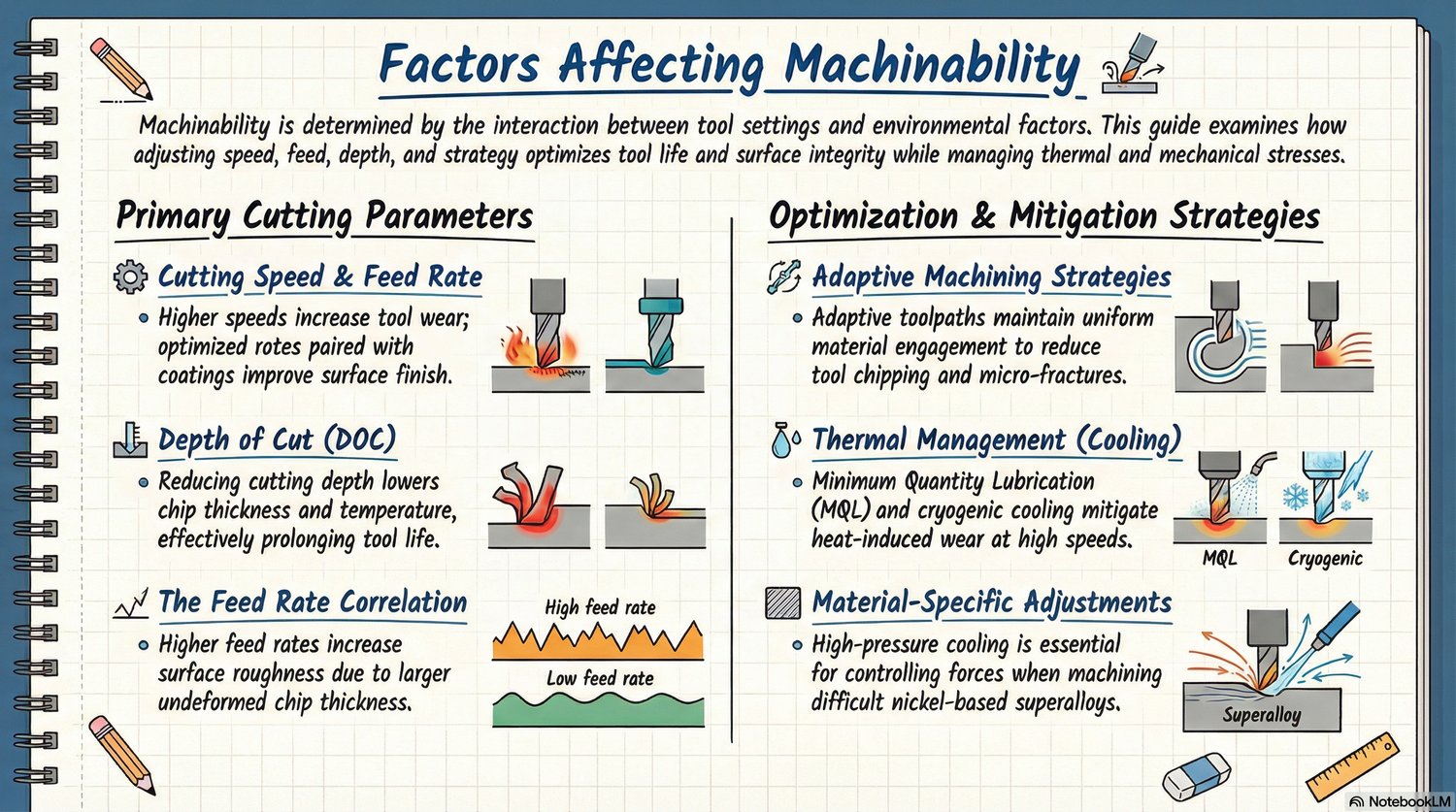
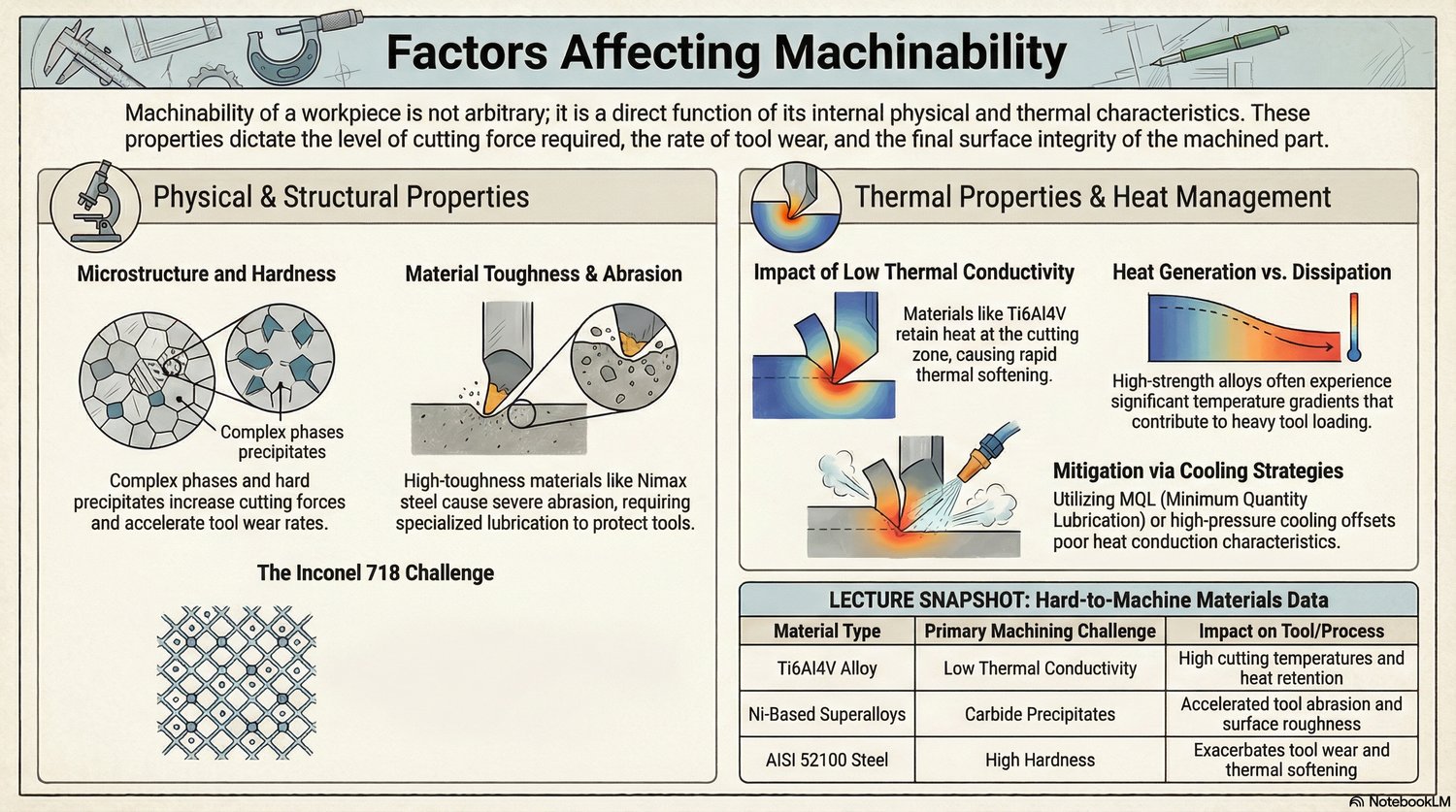
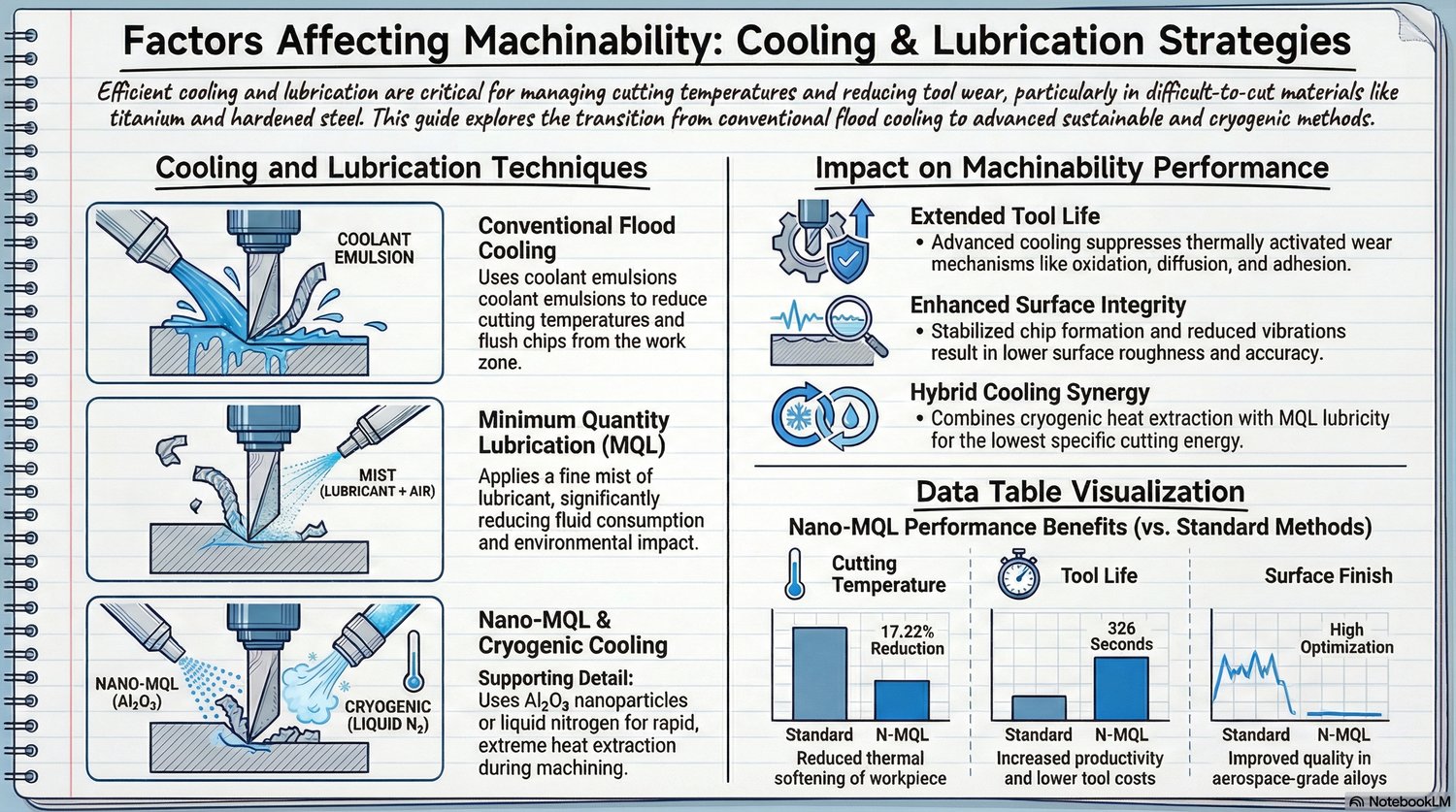
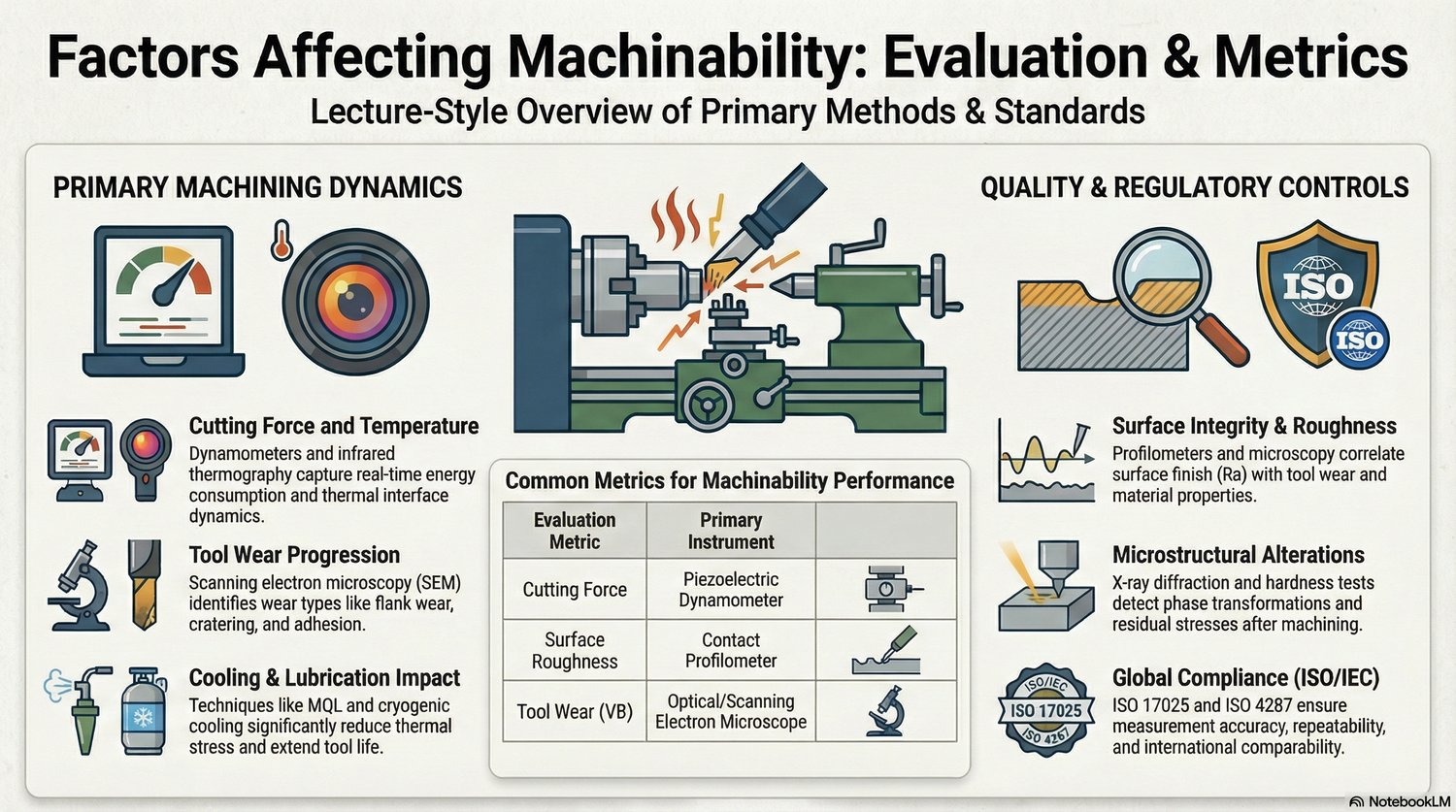
Machinability is a critical aspect influencing manufacturing efficiency, product quality, and tool life. This review synthesizes major factors affecting machinability, encompassing tool conditions and coatings, cutting parameters, workpiece material properties, cooling and lubrication strategies, measurement standards, and optimization methodologies. Investigations demonstrate that tool wear, coating characteristics, and tool reconditioning significantly impact tool durability. Cutting speed, feed rate, and depth of cut govern surface finish and tool life, while workpiece microstructure, hardness, and thermal properties affect machining responses and heat generation. Cooling techniques such as conventional methods, minimum quantity lubrication, and cryogenic cooling influence temperature control, tool performance, and surface integrity. Measurement approaches to cutting forces, temperature, surface roughness, and tool wear are essential for accurate machinability assessment, supported by standardized protocols. Furthermore, optimization and computational modeling provide systematic frameworks to enhance process parameters and predictive capabilities. Collectively, these insights emphasize the multidimensional nature of machinability and underline the necessity for integrated strategies to improve machining outcomes and guide future research.