



🪧 The Land Buyer's Field Book
🪧 The Land Buyer's Field Book
Ten Steps, 89 Checks, and the Seven Rules That End a Deal
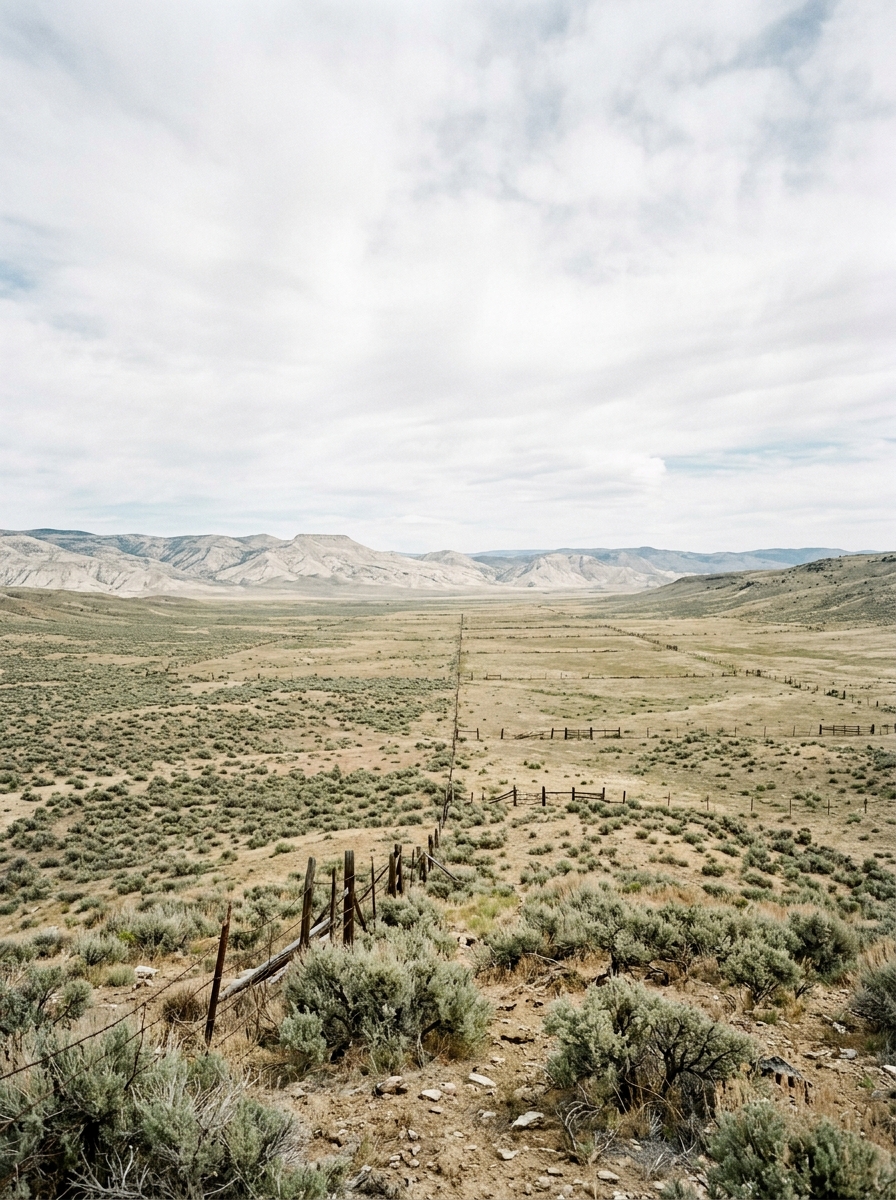
Cheap land in America is real. You can find five acres for a few thousand dollars, and the parcel exists, the seller owns it, and the deed transfers cleanly.
Then you find out you can't legally live on it. Or can't legally get water to it. Or can't legally drive to it.
That's how this usually goes wrong — not a scam, just a fact nobody mentioned. And almost every one of those facts is public record, free to look up, and takes about fifteen minutes to find. Before you pay, not after.
This is the procedure for finding them.
📋 What's inside — 62 pages
🗂️ The ten steps, in the order we run them — parcel records and zoning, the adopted building code, covenants and deed restrictions, legal access, well logs, the real cost of water, waste, flood, soil, and title
✅ The full checklist — 89 things to tick off, parcel by parcel
🚫 The seven walk-away rules — the findings that end a deal on the spot. One page. Print it and keep it in the truck
📝 A blank worksheet for every property, so you can put two parcels side by side and see which one is actually cheaper
🔍 Three worked examples, start to finish — two of them fail. Those are the most useful pages in the book
💧 The chapter people write in about
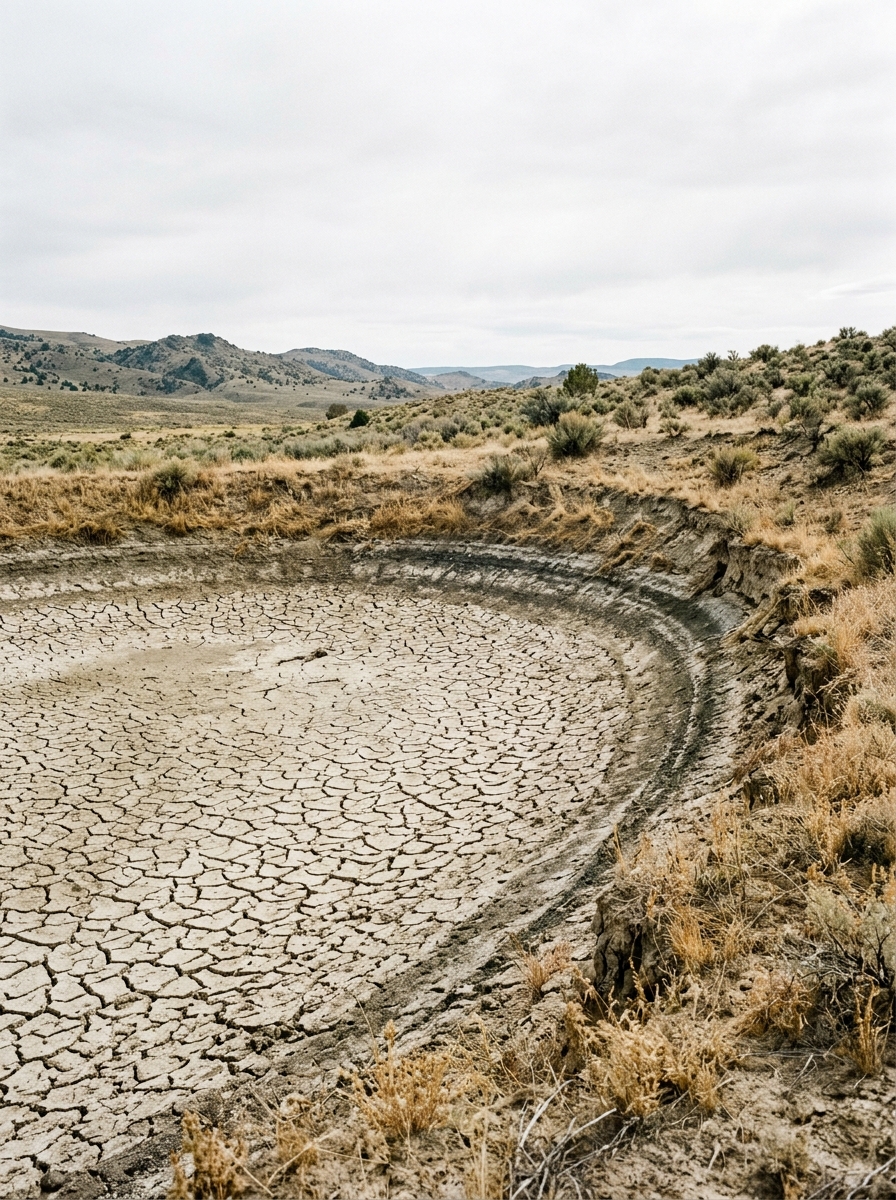
Your neighbors already paid tens of thousands of dollars to find out what's under your land, and a licensed driller wrote it all down and filed it where you can read it for nothing.
Step 5 shows you how to pull those records, which four numbers to write down, and the one pattern that tells you the water table is dropping — the difference between a $6,000 well and a $60,000 one.
Almost nobody looks.
🎯 Who it's for
Anyone about to buy rural land to live on — RV, tiny home, mobile home, off-grid, or a conventional build in a county they've never set foot in.
⚖️ What it won't do
It won't replace the county. Every chapter ends by telling you exactly who to call, because the planning department is the authority and this book isn't.
It won't give you one magic number. Every cost is a range with a date on it, because prices move and a book that pretends otherwise is wrong within a year.
And it won't tell you a specific parcel is good. The best outcome here is "no disqualifying findings" — which is worth far more than it sounds.