
Explanations and Strategies for Neurodivergent Young People
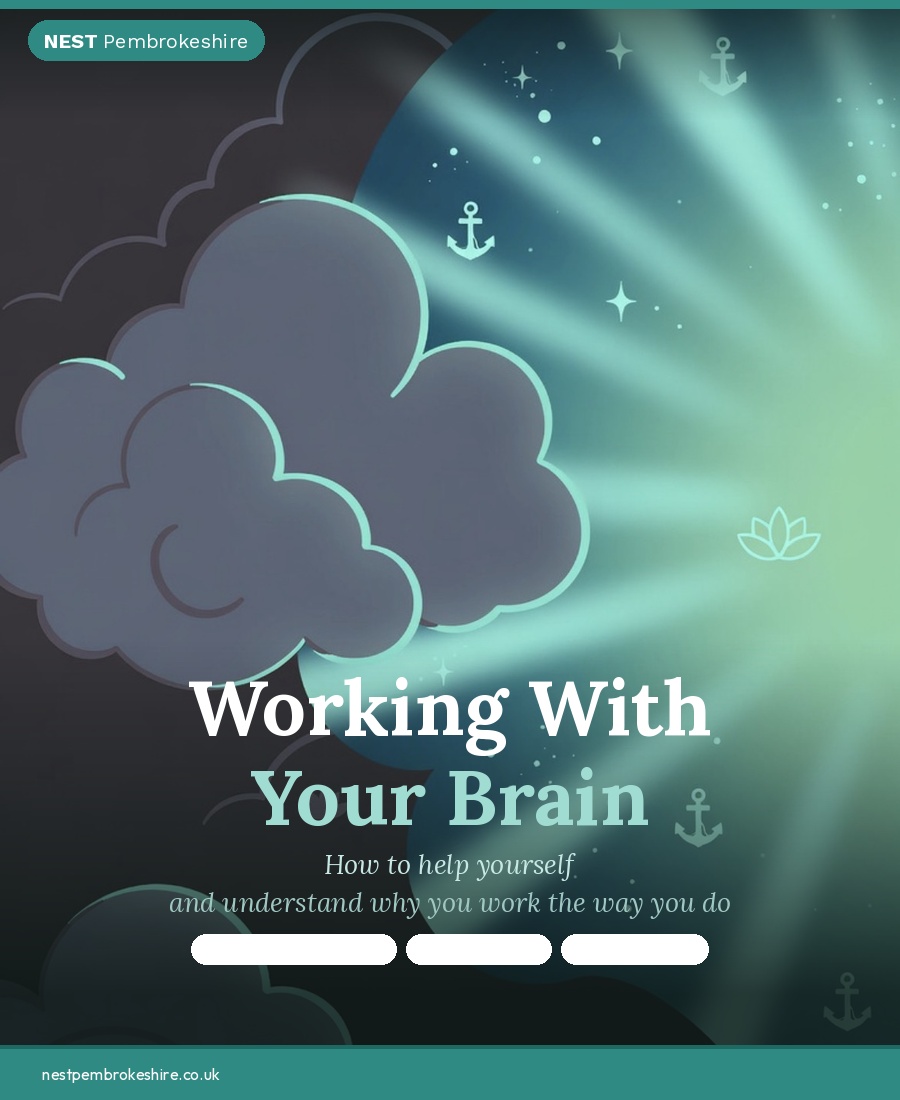
Working With Your Brain
How to help yourself; and understand why you work the way you do
This booklet is not about fixing you. There is nothing wrong with the way your brain is built. But a brain that processes the world differently; more intensely, more variably, more sensitively; can be genuinely exhausting to live inside, especially when the world around you was not designed with your nervous system in mind.
Written in a warm, direct and neurodivergent-affirming way, and grounded in real research. Includes quotes and findings from leading researchers including Dr Russell Barkley, Dr Ned Hallowell, Dr Damian Milton, Dr Kristin Neff, Dr Laura Hull and Dr Monique Botha.
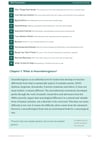
What is inside
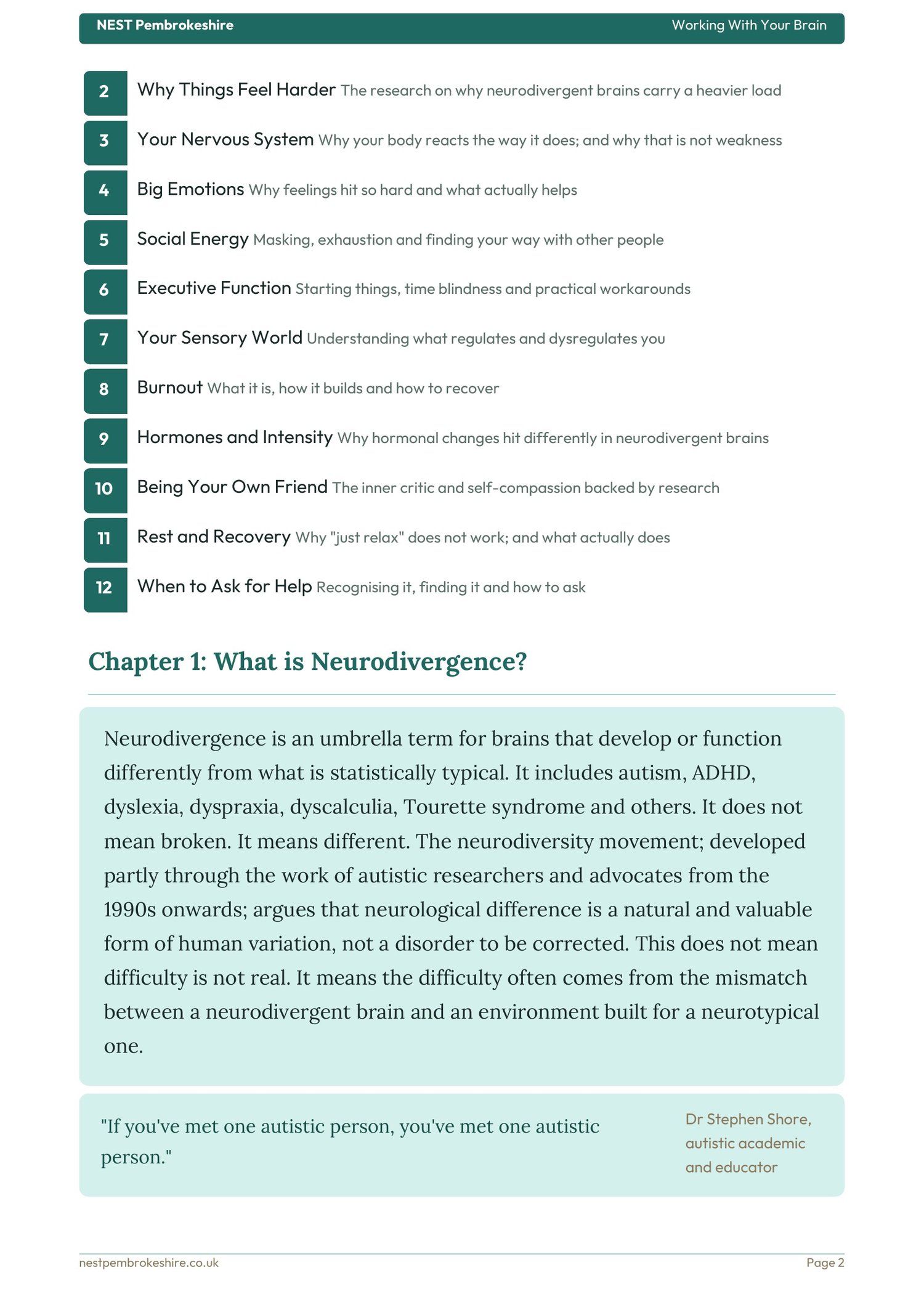
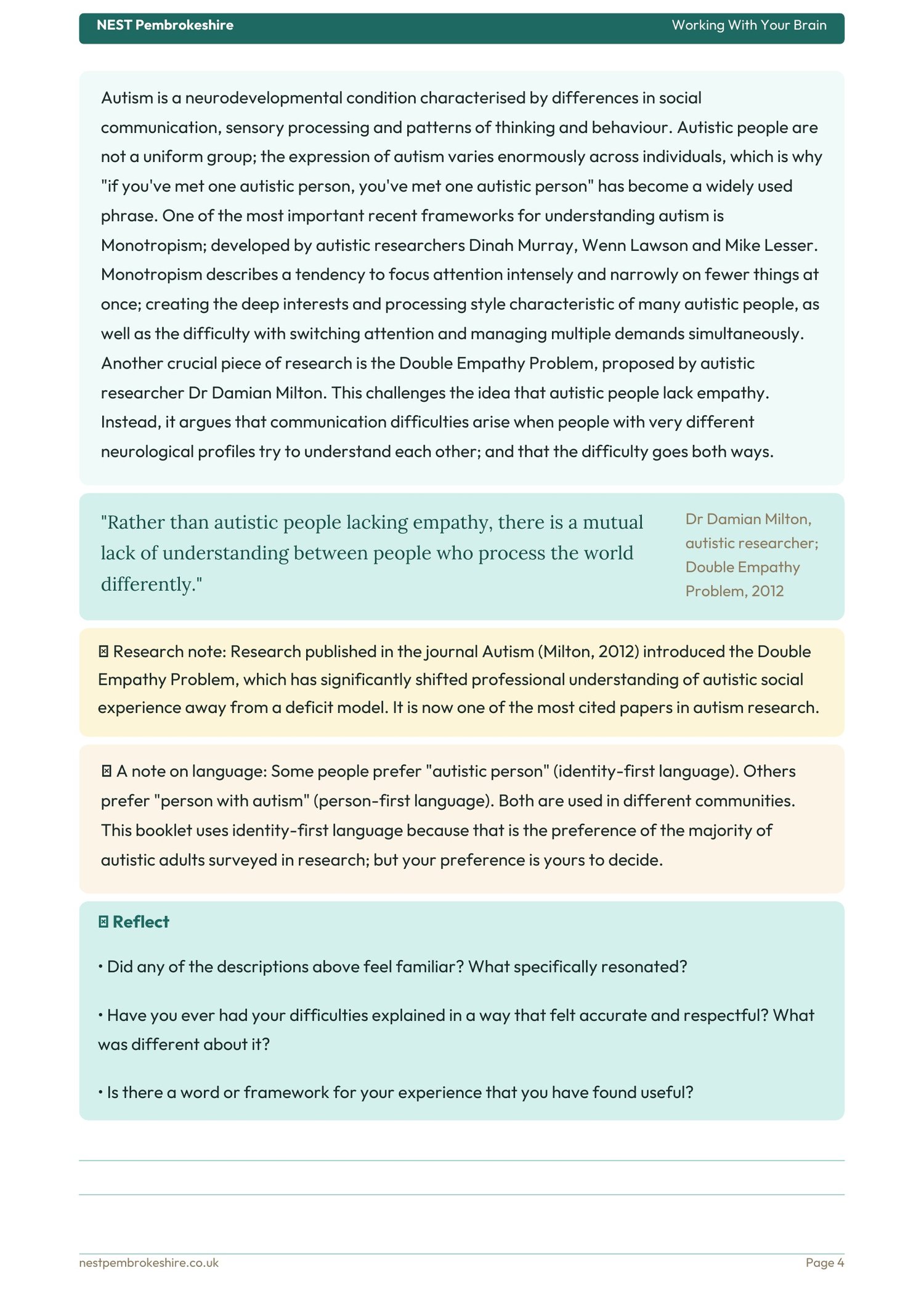
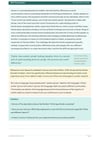
Chapter 1: What is Neurodivergence? ADHD and autism explained clearly and without jargon. The neurodiversity model, monotropism, the double empathy problem and why the medical model often misses the point.
Chapter 2: Why Things Feel Harder. The research on cognitive load, masking costs, sensory processing differences and interoception. Why the same day costs more for a neurodivergent brain; and why that is not a character flaw.
Chapter 3: Your Nervous System. The window of tolerance, polyvagal theory and why your body reacts the way it does. Signs you are heading towards overwhelm and what actually helps.
Chapter 4: Big Emotions. Why emotions hit so hard. Rejection Sensitive Dysphoria explained. What research shows actually helps with intense feelings.
Chapter 5: Social Energy. Masking, the real cost of it and why you are exhausted after situations that looked fine from the outside.
Chapter 6: Executive Function. Time blindness, task initiation and the strategies that actually work; including body doubling and working with the interest-urgency system.
Chapter 7: Your Sensory World. A practical reference table covering hypersensitivity and hyposensitivity across all sensory channels including interoception.
Chapter 8: Burnout. What it is, how it builds, the research definition and what genuine recovery actually requires.
Chapter 9: Hormones and Intensity. Why hormonal changes hit differently in neurodivergent brains; and how to track and work with variability.
Chapter 10: Being Your Own Friend. The inner critic, where it comes from, and Dr Kristin Neff’s research on self-compassion.
Chapter 11: Rest and Recovery. The seven types of rest and what actually restores a neurodivergent brain.
Chapter 12: When to Ask for Help. How to recognise when you need more support, how to ask and crisis resources including Samaritans and Childline.
This booklet has no age label. It is written for curious minds, and curious minds come in all shapes, sizes and ages. If the topics sound interesting to your young person, it will work for them.
Format: instant PDF download, 22 pages, A4, print or use on screen.
Designed by NEST Pembrokeshire