
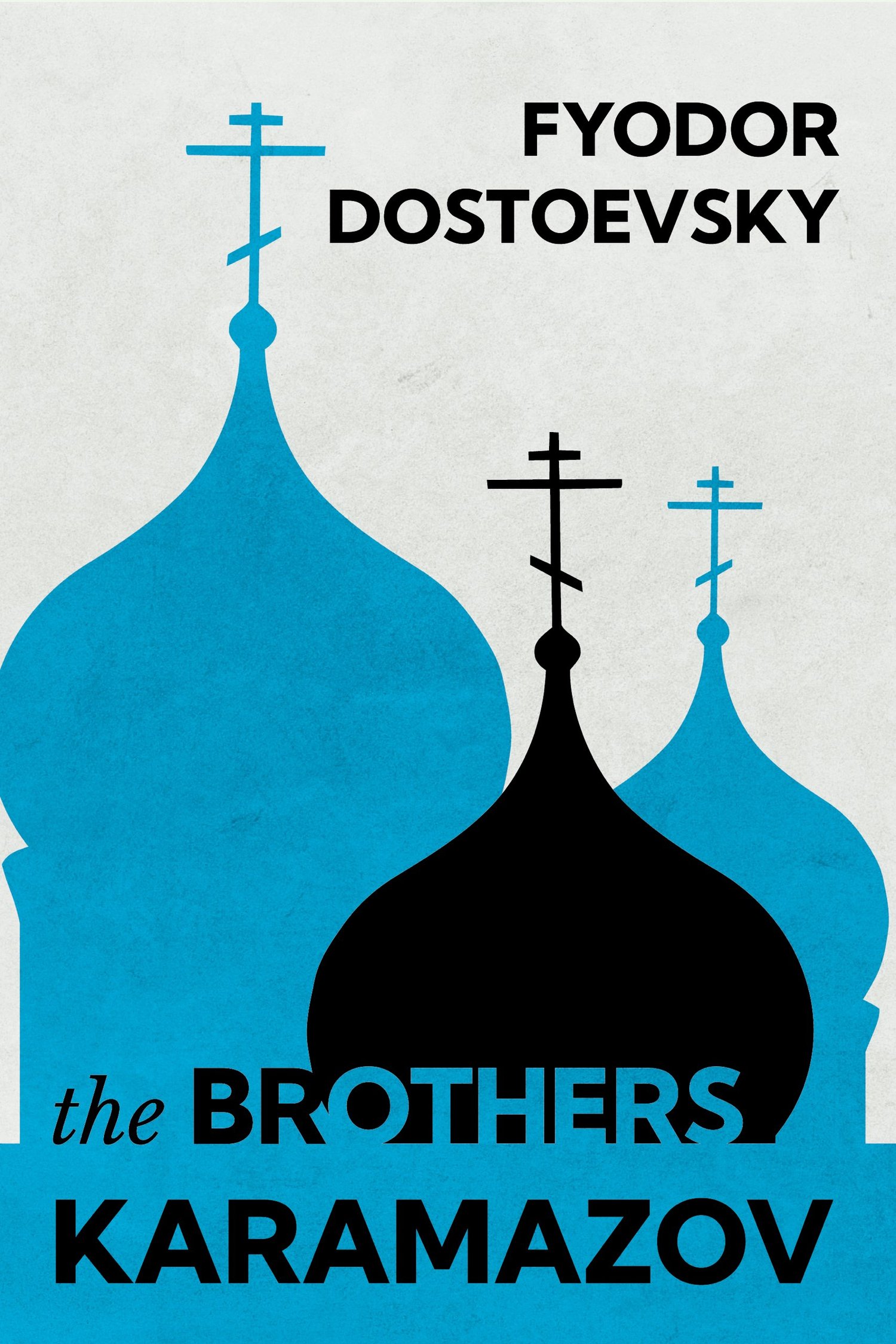
The Brothers Karamazov
Fyodor Dostoevsky's The Brothers Karamazov centers on one of literature's most dysfunctional families. Fyodor Pavlovich Karamazov is a wealthy buffoon and sensualist who has neglected and wronged his three legitimate sons: Dmitri, a passionate officer drowning in debt and desire; Ivan, a brilliant atheist intellectual tortured by logic; and Alyosha, a gentle soul training to be a monk under the guidance of the revered Elder Zosima. There's also a fourth son, the servant Smerdyakov, born of Fyodor's rape of a mentally disabled woman—a dark secret that haunts the family. When Dmitri and his father become rivals for the same woman, the beautiful and capricious Grushenka, and Dmitri desperately needs the inheritance his father refuses to give him, the tension explodes. Dmitri publicly threatens murder. Days later, Fyodor Pavlovich is found dead, his skull smashed in, and three thousand rubles stolen. The case against Dmitri seems open and shut, but the truth is far more complex.
The murder investigation becomes a framework for Dostoevsky's deepest philosophical explorations. Ivan has spent years developing a rational argument against God's existence: if an all-powerful, all-loving deity allows innocent children to suffer, then the universe has no moral foundation and "everything is permitted." His atheistic philosophy may have planted the seed for patricide, even if his hands remained clean. Alyosha represents faith and love as the answer to suffering, guided by Elder Zosima's teachings about active love and spiritual transformation. The novel's centerpiece, "The Grand Inquisitor," is a parable Ivan tells Alyosha—a devastating critique of religious authority and human freedom that remains one of the most powerful philosophical passages ever written. As the trial approaches, each brother confronts his own guilt, responsibility, and capacity for both good and evil.
The courtroom drama that concludes the novel is electrifying, but The Brothers Karamazov is ultimately about much more than solving a murder. It's Dostoevsky's final word on the questions that consumed him: Can we believe in God in a world of suffering? Can morality exist without religious faith? Are we responsible for our thoughts as well as our actions? Is redemption possible, and through what means—reason, faith, or love? Each brother represents a different answer, and their conflicts play out against a richly detailed portrait of Russian society, filled with memorable characters from monks to lawyers to tormented women. Published just before Dostoevsky's death, this magnificent novel is both a gripping mystery and a profound meditation on the human condition. It's a book that demands everything from its readers and gives back even more—a transformative experience that will challenge your beliefs, break your heart, and ultimately affirm the possibility of meaning in a chaotic world. Simply put, it's one of the greatest novels ever written.
About the Author
Fyodor Dostoevsky (1821–1881) was a Russian novelist, philosopher, and journalist whose works are celebrated for their psychological depth and existential inquiry. A central figure in world literature, Dostoevsky’s novels, including Crime and Punishment, The Idiot, and Notes from Underground, explore the darkest corners of the human psyche while grappling with questions of faith, morality, and redemption. His enduring legacy lies in his ability to confront the most profound dilemmas of existence with unflinching honesty and compassion.