
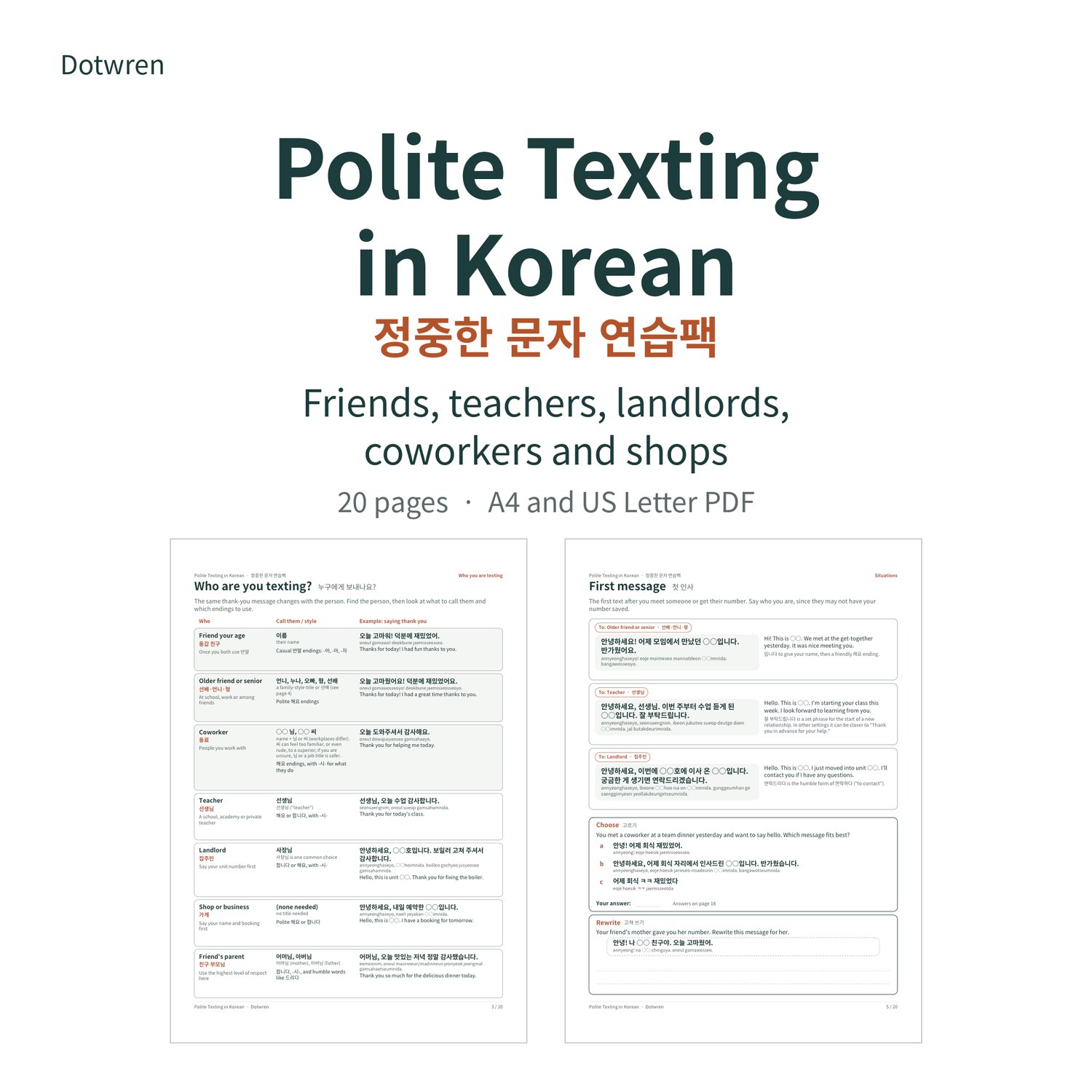
Polite Texting in Korean: Choosing the Right Politeness Level for Messages (A4 + US Letter PDF)
You've just got a Korean friend's number, or your landlord's, or your teacher's, and now you have to write the first message. Should it end in 요? Do you call her 언니? Is ㅋㅋ too much? This pack is for learners who can read Hangul and want their texts to sound polite in the right way for the person getting them.
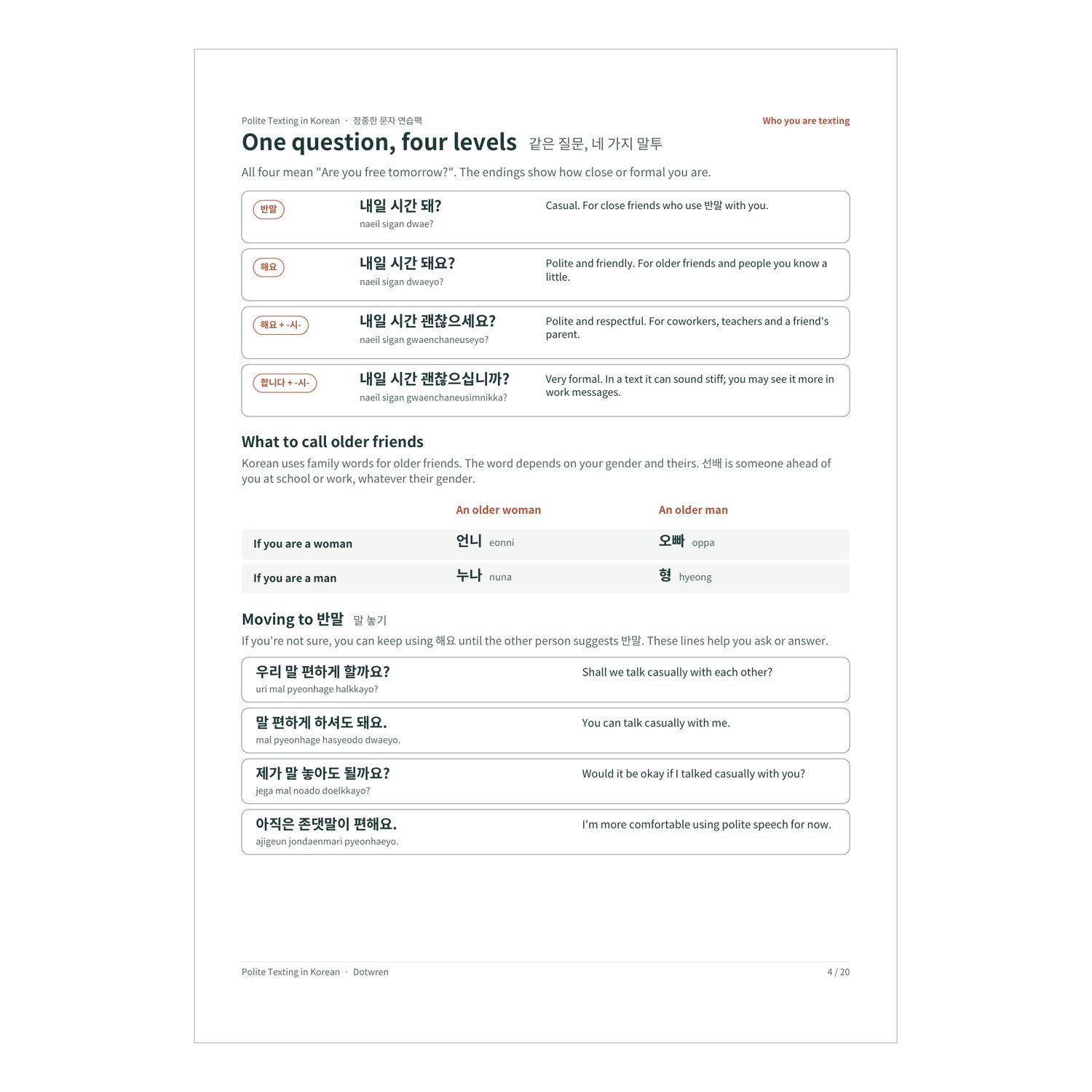
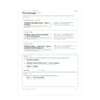
It starts with a politeness ladder. The same thank-you message is shown for 7 kinds of people: a friend your age, an older friend or senior, a coworker, a teacher, a landlord, a shop and a friend's parent. For each one you see what to call them and which endings to use. The next page asks "Are you free tomorrow?" at four levels, from 내일 시간 돼? to 내일 시간 괜찮으십니까?, and gives lines for moving to 반말 or staying with polite speech.
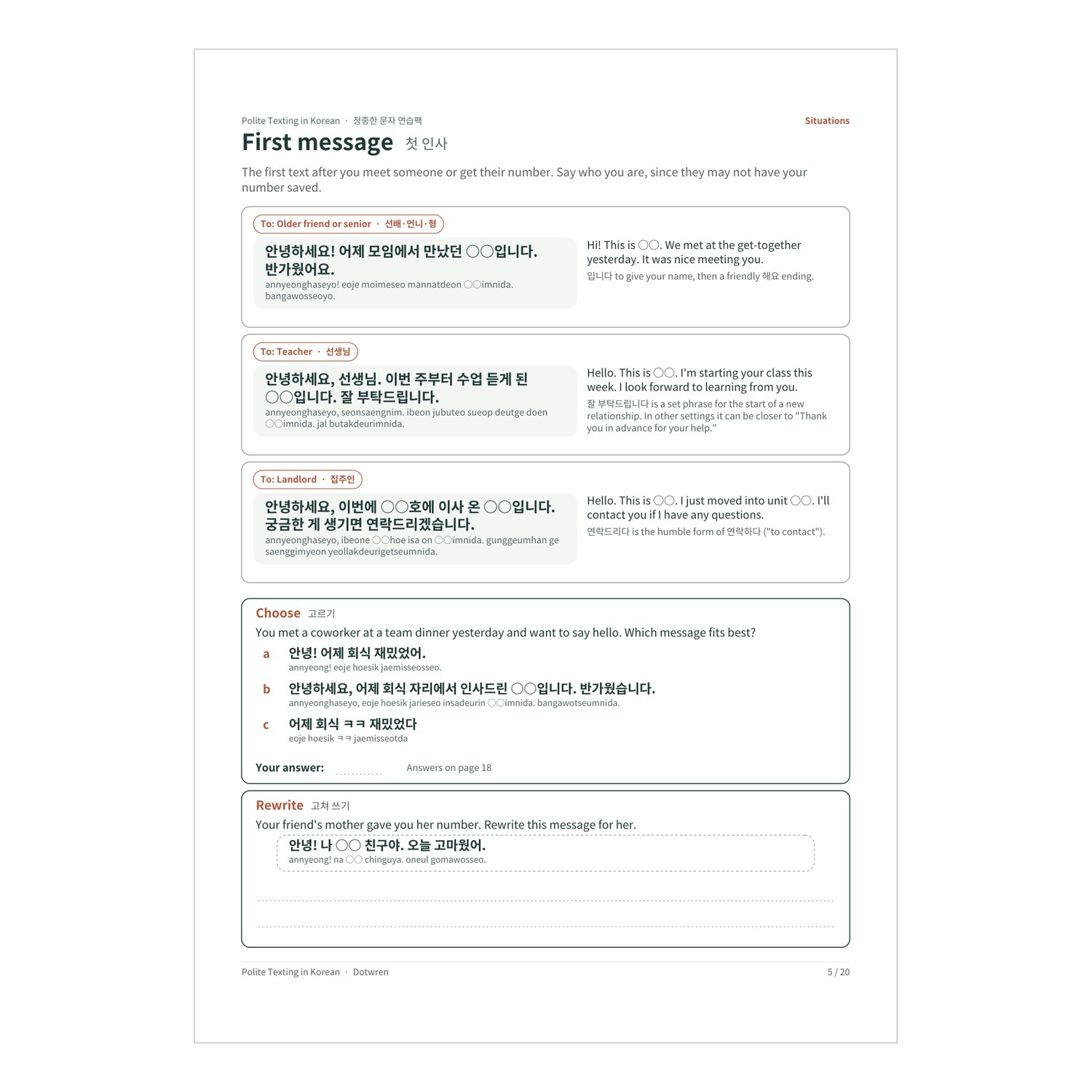
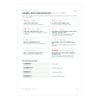
Then come 8 situations: a first message, making plans, running late, saying thank you, saying sorry, congratulations, saying no politely and booking by message. Each one has three model messages written for different people, a short note on why each one fits, a "Choose" question and a "Rewrite" task where you turn a casual message into a polite one.
What you get
- Two PDFs with the same 20 pages, one in A4 and one in US Letter
- A README and the font license
Inside the PDF
- Page 2: how to use the pack, a note to read first and a short list of terms (반말, 해요, 합니다, -시-, 드리다)
- Pages 3 and 4: who gets which level, what to call older friends, and moving to 반말
- Pages 5 to 12: 8 situations with 24 model messages
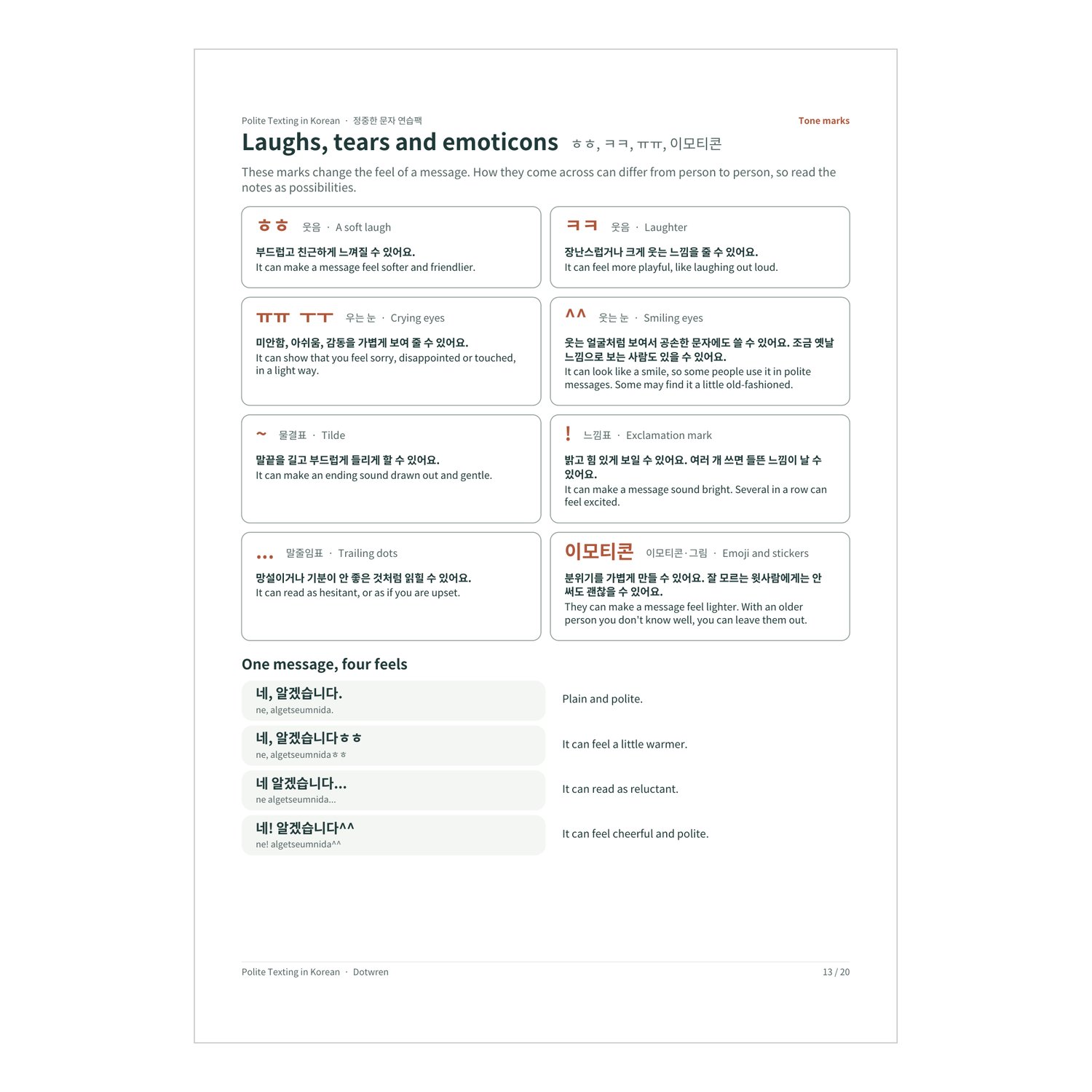
- Page 13: laughs, tears and emoticons (ㅎㅎ, ㅋㅋ, ㅠㅠ, ^^ and more), with notes on how each one can come across
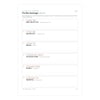
- Page 14: 12 short replies, from 넵 and 네네 to 알겠습니다 and 확인했습니다
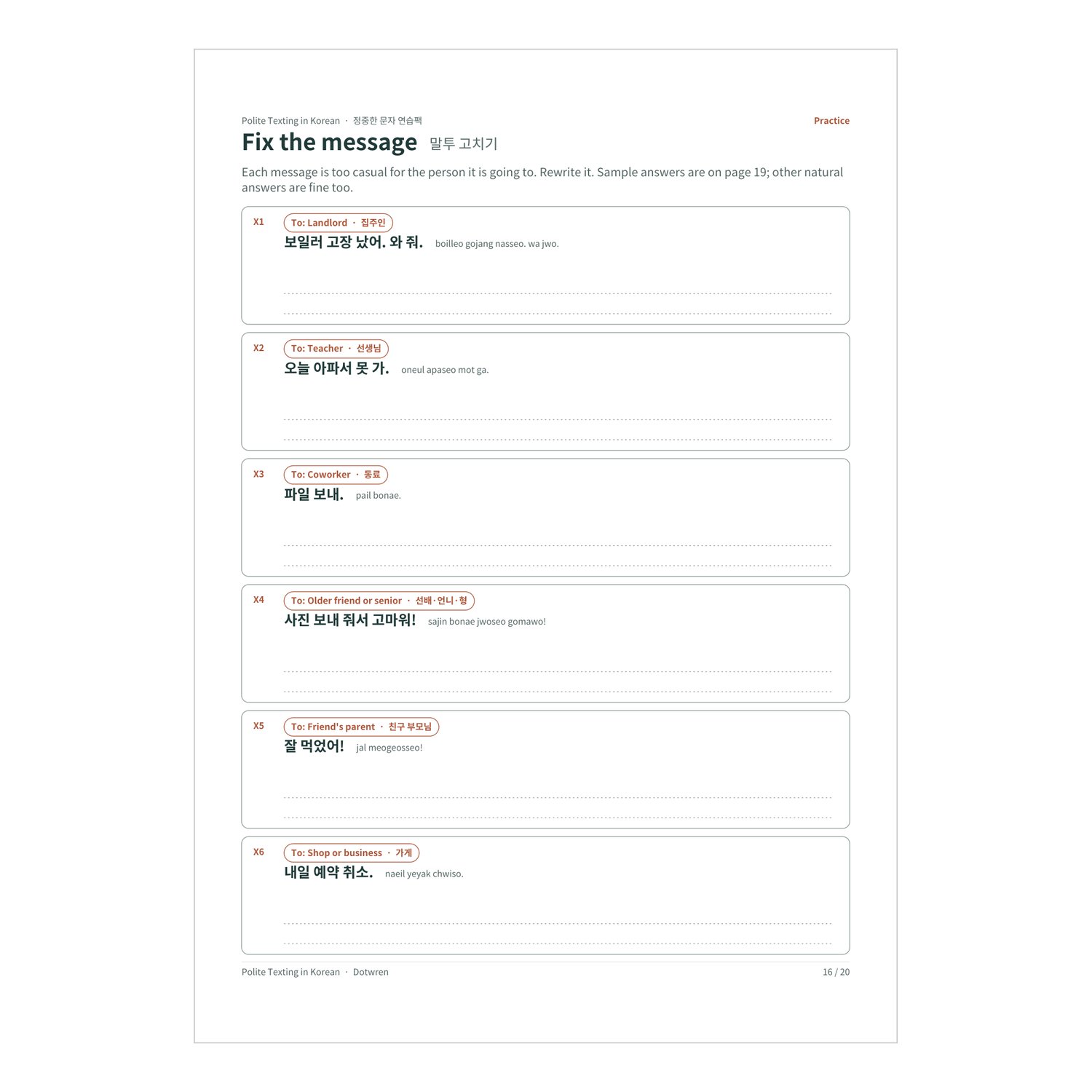
- Pages 15 to 17: practice (who is it for?, fix the message, fill in the blank)
- Pages 18 and 19: answers, with sample rewrites
- Page 20: notes, terms of use and font notice
Please read
Texting habits differ by person, age, region, workplace and relationship. The messages in this pack are examples you can adapt. When someone writes to you, notice how they write and match their level of politeness. All names in this pack are made up.
About the Korean
The model messages and example lines come with romanization and English, and the practice lines with romanization. Romanization follows the Revised Romanization of Korean and is written from pronunciation; consonants that only sound tense in speech aren't marked, but letters spelled double in Korean are, as in 찌개 (jjigae). Letters on their own, like ㅋㅋ, are left as they are. There is no audio.
This is a digital download. Nothing is shipped.
License
For personal use. You can print the pages as many times as you like for yourself and keep the files on your own devices. Please don't share, resell or upload the files or pages. The license doesn't cover classroom, group or business use.