
Viscosity-Building Tips for Surfactant Systems
On Sale
A$10.00
(15% off)
A$8.50
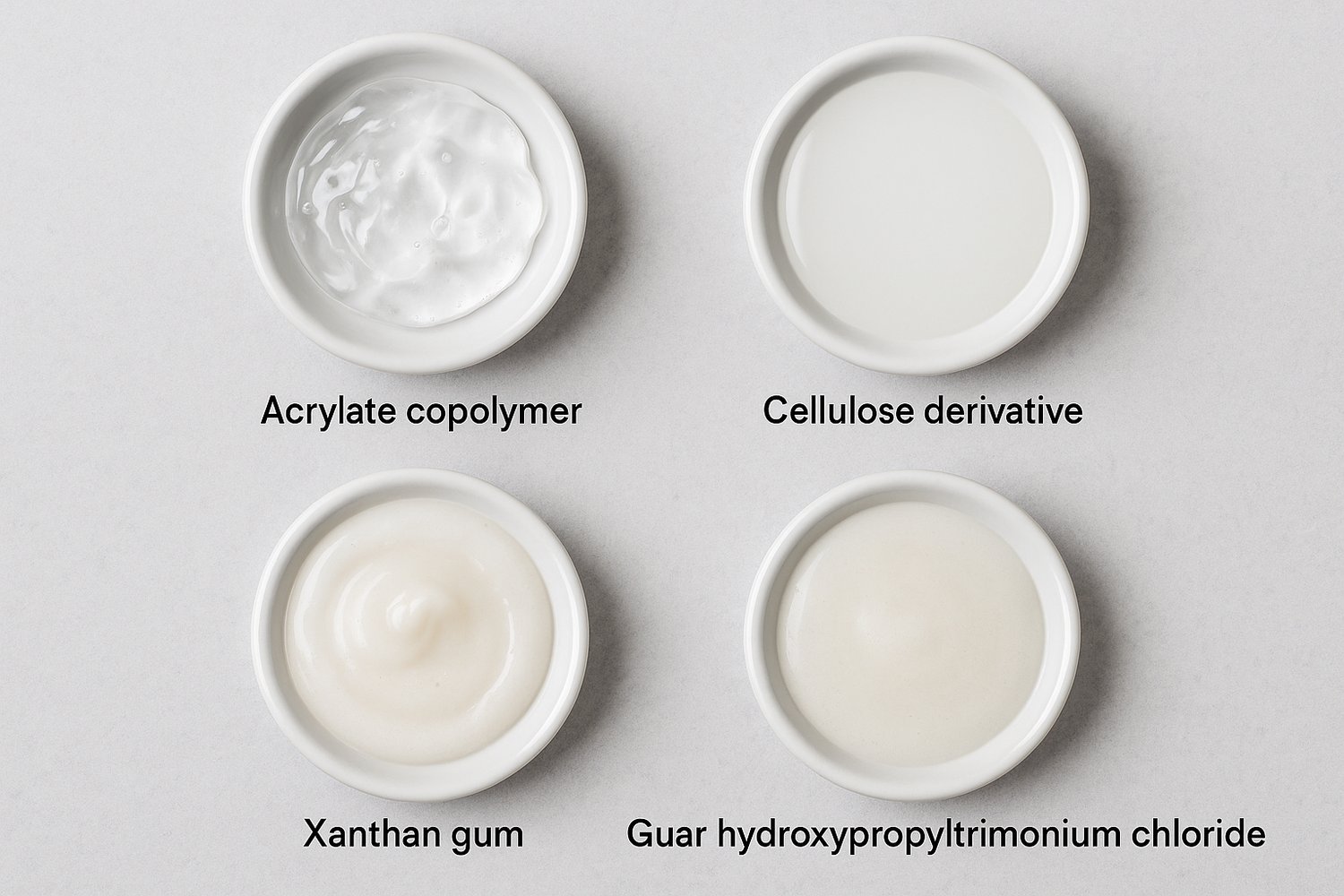
This document gives a clear, theory-first overview of how viscosity arises in surfactant cleansers. It explains micellar behaviour above the CMC, how anionic, amphoteric, and nonionic blends influence structure, and why electrolyte addition follows a bell-shaped salt curve. You will also find concise coverage of rheology modifiers and polymers, the effects of pH, temperature, hydration and resting time, surfactant actives calculations, and reliable viscosity measurement. It is a foundation piece designed to strengthen understanding and support informed formulation choices.
Download this detailed guide now and start formulating with precision.