
pH and Formulation Stability – What Happens When It Changes?
Introduction
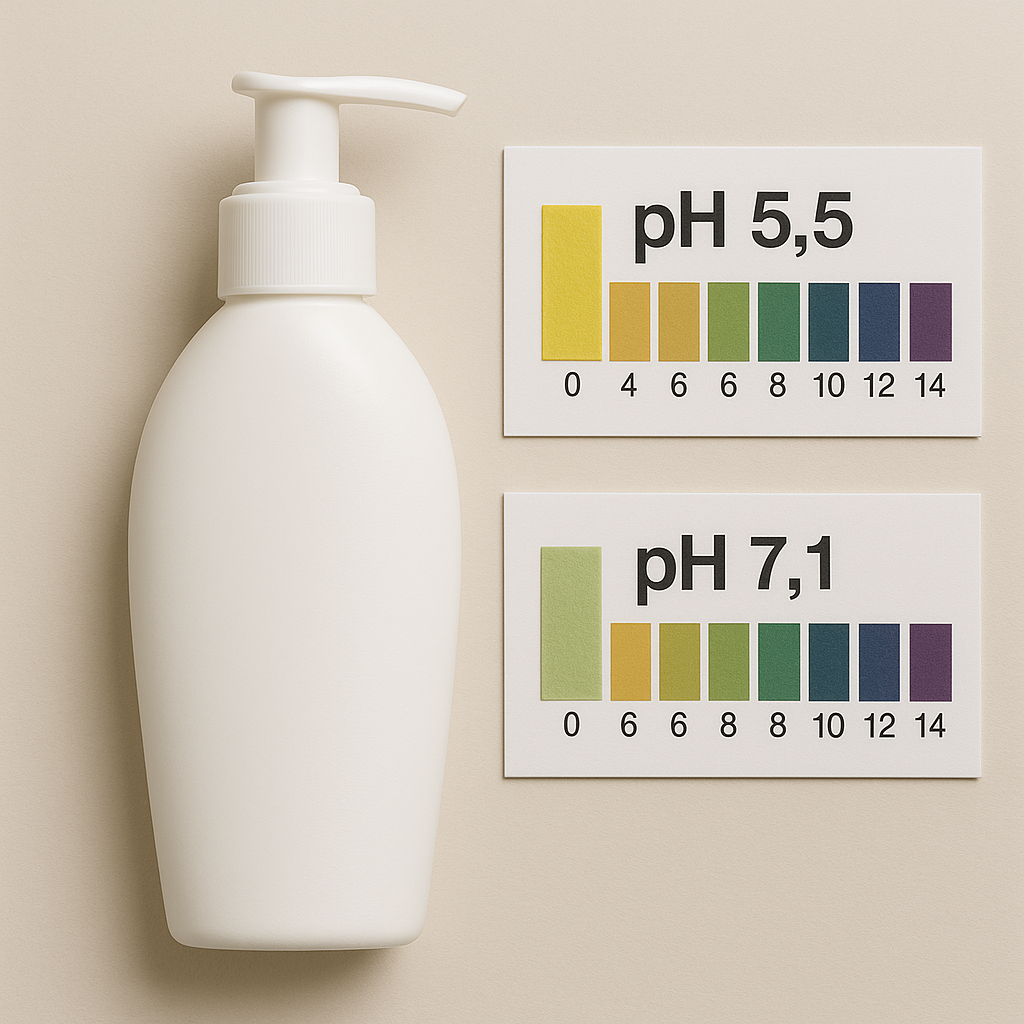
pH is one of the most critical factors influencing the stability, safety and performance of cosmetic formulations. It measures how acidic or alkaline a product is and is expressed on a scale from 0 to 14, with 7 being neutral. Although it may seem like a simple measurement, pH plays a crucial role in determining how well a product maintains its integrity over time, how active ingredients perform, how the skin responds to it, and how well it resists microbial contamination. Even small shifts in pH can destabilise a product, causing changes in colour, odour, viscosity, texture or even making it unsafe to use.
Understanding how pH affects formulation stability allows cosmetic chemists to design products that remain effective, pleasant to use and safe throughout their intended shelf life.
This document explores the science behind pH and formulation stability, what happens when pH changes, how to predict potential instabilities, and how to manage pH in cosmetic products.
Understanding pH in Cosmetic Formulations
What is pH?
pH is the negative logarithm of the concentration of hydrogen ions in a solution. In simpler terms, it indicates how acidic or alkaline a formulation is. A low pH value (0 to 6) indicates an acidic environment, while a high pH value (8 to 14) indicates an alkaline environment. Most cosmetic products are designed to be either slightly acidic or neutral, as this aligns with the skin’s natural pH range, which is typically between 4.5 and 5.5.
The Role of pH in Formulations
The pH of a formulation influences:
- Ingredient Stability
Many cosmetic ingredients are pH-sensitive and only remain stable and active within a specific pH range. For instance, alpha hydroxy acids such as glycolic and lactic acid require a low pH to be effective, while peptides and certain botanical extracts may degrade in acidic conditions.
- Preservative Efficacy
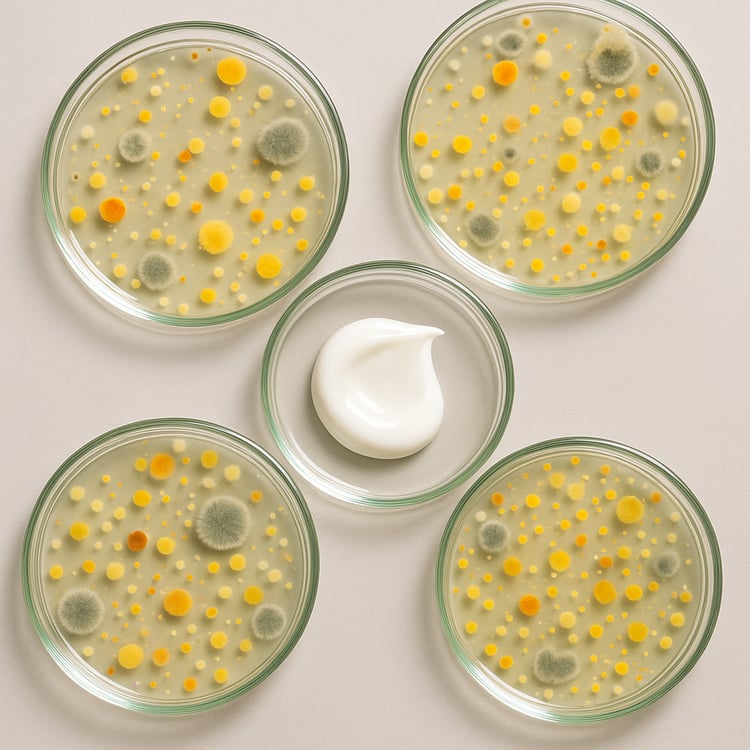
Most preservatives are only effective within a specific pH range. For example, benzoic acid and sorbic acid work best in acidic environments, while parabens have a wider tolerance. If the pH drifts outside of the preservative’s optimal range, the product may become susceptible to microbial growth.
- Skin Compatibility
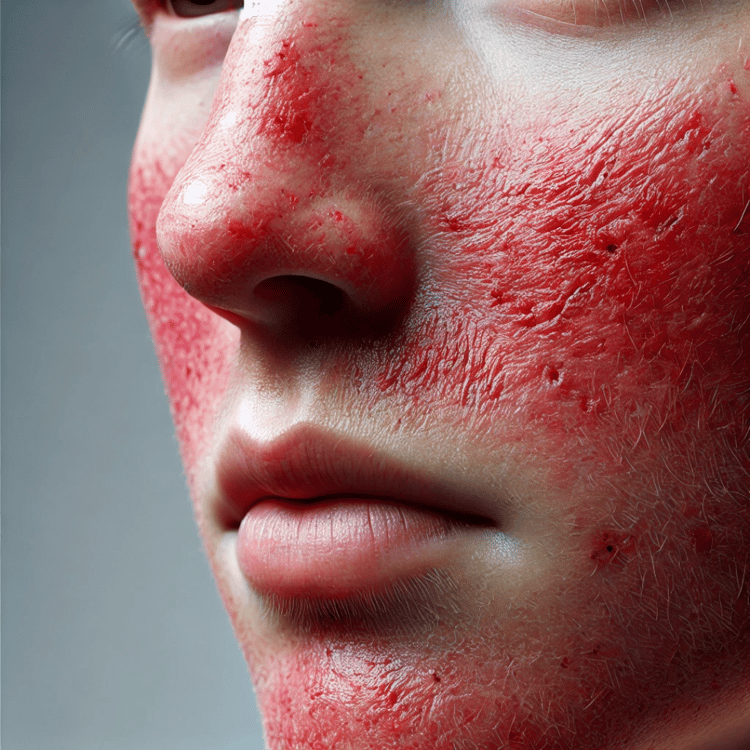
Products that are too alkaline can disrupt the skin’s acid mantle, leading to dryness, irritation and an increased risk of infection. Products that are too acidic can cause stinging, redness and barrier disruption.
- Texture and Sensory Properties
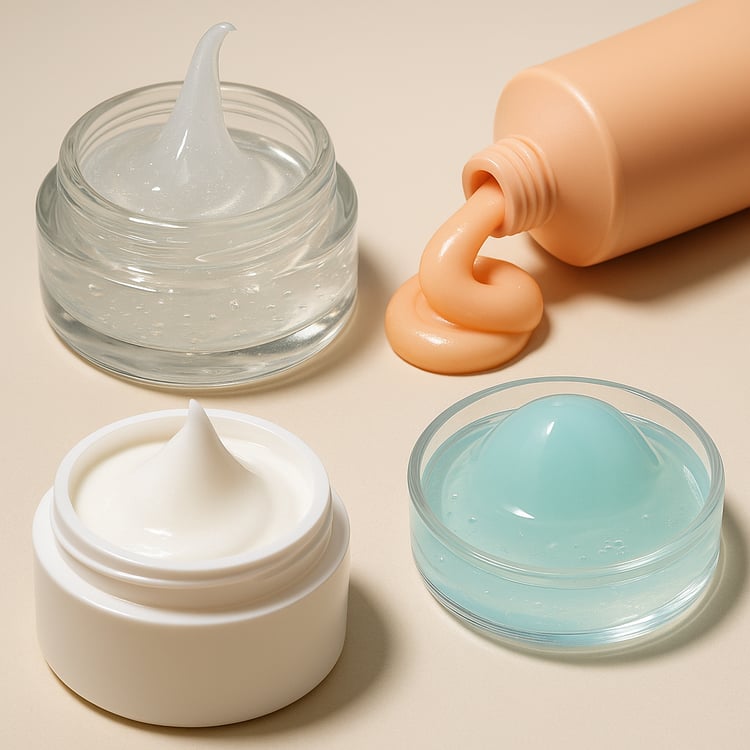
pH influences the behaviour of thickeners, emulsifiers and gelling agents. A shift in pH can change the viscosity, making a product feel thinner, thicker or grainy.