
Regulation Tip: Minimum Evidence for “Stable for 12 Months”
The claim “stable for 12 months” is one of the most commonly used statements in cosmetic formulation, yet it is also one of the most misunderstood and incorrectly applied. Many brands rely on assumptions, ingredient shelf life, or visual checks without understanding what this claim truly means from a regulatory and scientific perspective.
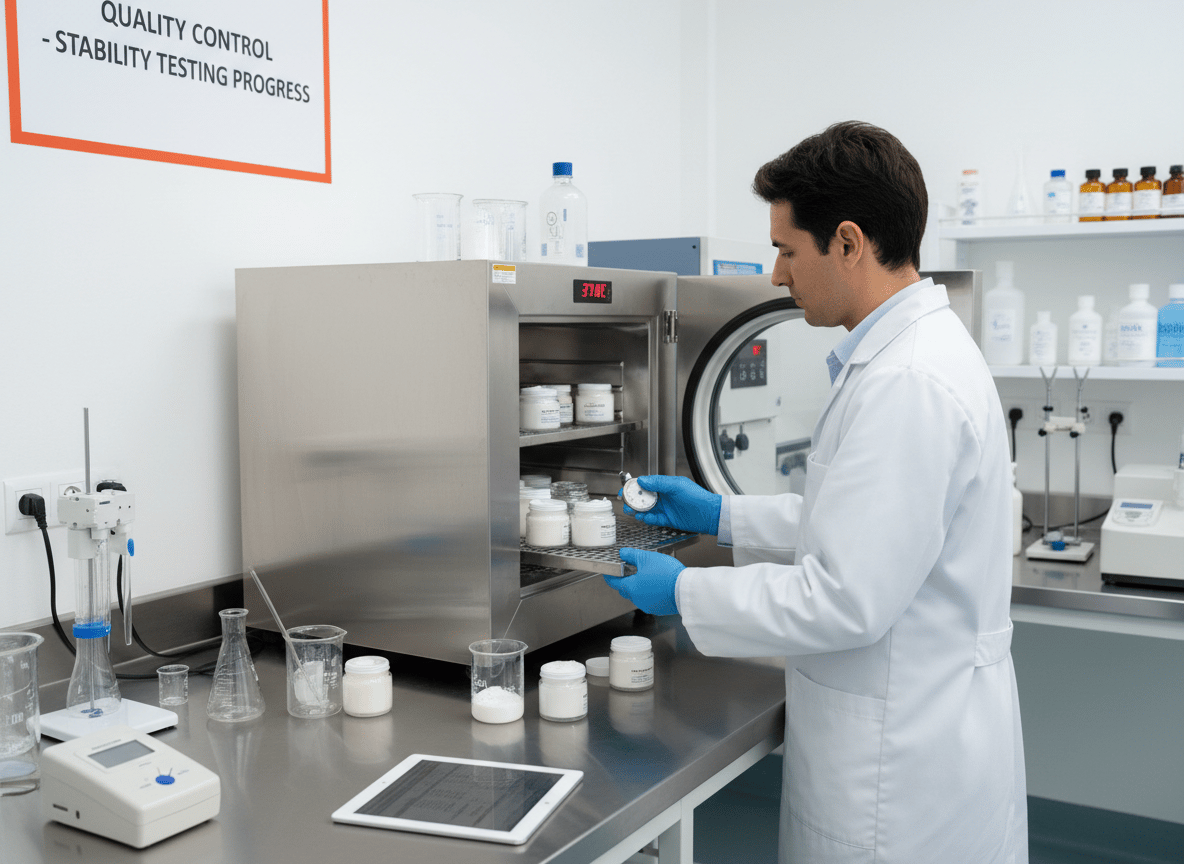
This educational document explains the true meaning of a 12-month stability claim and the regulations behind it. It breaks down how regulators and cosmetic safety assessors interpret “stable for 12 months”, what level of evidence is considered reasonable and defensible, and how to support this claim without over-testing or making unsupported assumptions.
Written for cosmetic formulators, brand owners, and private label businesses, this resource provides clear guidance on stability expectations across Australia, the EU, the UK, and the US, using a risk-based, regulator-safe approach.
Inside this document, you will learn:
• What “stable for 12 months” actually means in a cosmetic context
• The difference between stability, shelf life, and PAO
• What regulators expect when this claim is made
• What counts as minimum acceptable evidence
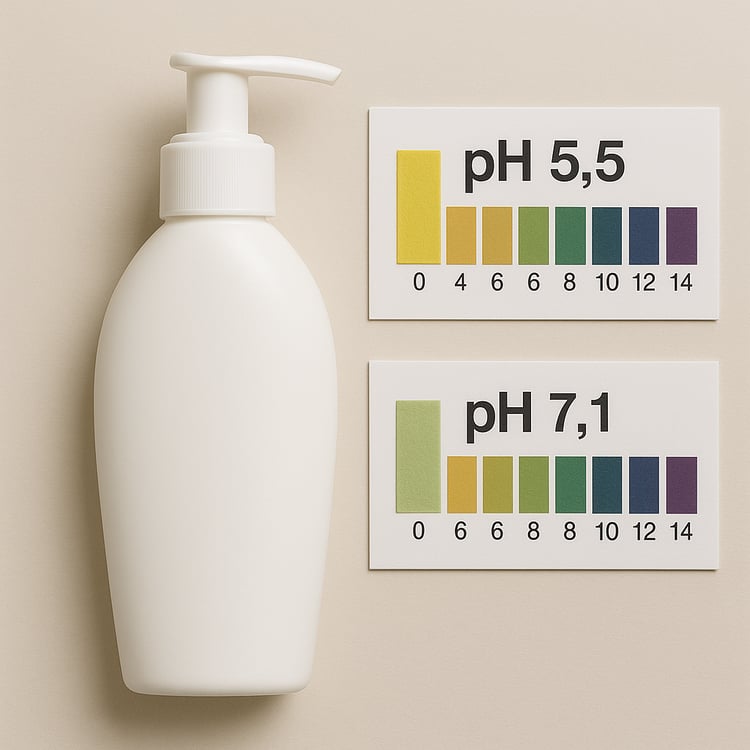
• The role of real-time stability, accelerated testing, and pH monitoring
• How microbiological risk and preservation affect stability claims
• Why packaging compatibility matters
• Common mistakes that weaken or invalidate stability claims
• When a 12-month stability claim may not be appropriate
This document is written in clear, professional language and focuses on scientific accuracy, regulatory defensibility, and practical application. It is ideal for those who want to make confident stability claims backed by evidence rather than assumption.
Suitable for:
Cosmetic formulators, indie brand owners, private label businesses, and anyone responsible for making or substantiating cosmetic stability claims.