Your Cart
Loading

Whatever happened to hell Course

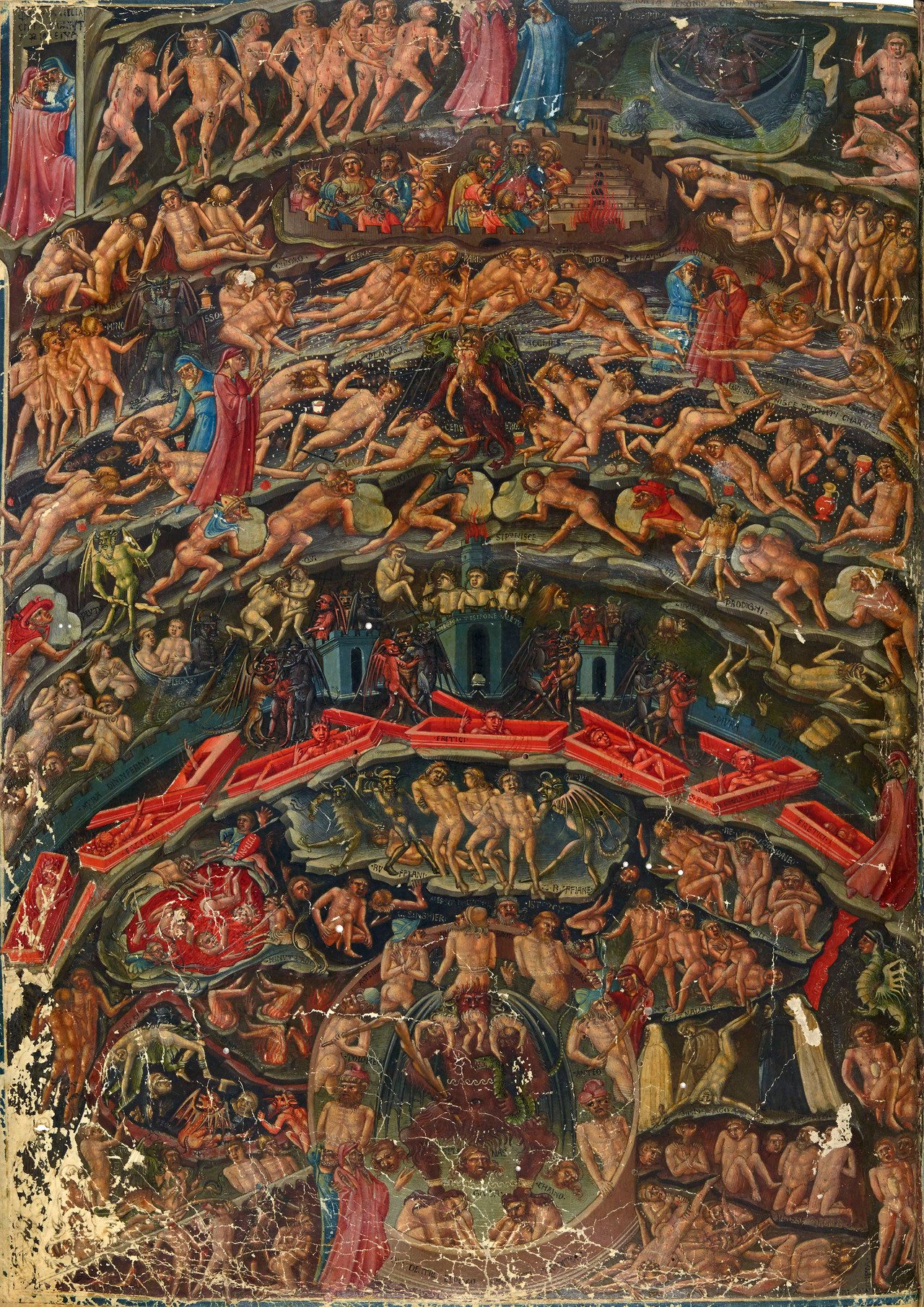
The Bible clearly teaches that hell is eternal, emphasizing that its punishment is without end for those who reject God's salvation. Scriptures such as Matthew 25:46 speak of eternal punishment, contrasting it with eternal life, indicating that the fate of the unrighteous is everlasting. Revelation 14:11 describes the smoke of their torment rising forever and ever, highlighting the perpetual nature of hell's suffering. This eternal aspect underscores the seriousness of sin and the importance of accepting Christ's offer of salvation. The doctrine of hell as an everlasting punishment serves as a sober reminder that rejection of God's grace results in an unending separation from His presence, reinforcing the urgency of evangelism and faithful living.

Watering Down The Gospel

Evangelicalism, in its desire to be relevant and accessible, has increasingly watered down the core message of the gospel, compromising its power and clarity. Ian Murray, in his writings, emphasizes the importance of holding fast to the truth of Scripture and warns against the tendency to adapt the gospel to fit modern tastes. He argues that when evangelicals prioritize popularity or cultural acceptance over biblical fidelity, they risk diluting the message of sin, judgment, and salvation through Christ alone. Instead of confronting the hardness of human hearts with the full truth of God's Word, many have softened the message, making it more palatable but less transformative. This watering down diminishes the gospel’s ability to save souls and leads to a superficial faith that lacks biblical depth and power.

The book of Jude provides a stern warning against corrupting the truth of God's Word. Jude exhorts believers to contend earnestly for the faith that was once for all delivered to the saints, highlighting how certain false teachers have infiltrated the church, turning grace into a license for sin and denying the Lord who bought them. Jude's urgent call underscores the importance of holding firmly to biblical doctrine and resisting any compromise that diminishes the seriousness of sin and the necessity of Christ’s atoning sacrifice. When evangelicals stray from biblical fidelity, they risk falling into the very error Jude condemns—watering down the gospel and leading believers astray. Jude reminds us that maintaining doctrinal purity is essential for the health and integrity of the church.

In light of these warnings, it is clear that the church must return to the authority of the Bible as the foundation of its message. The gospel is not a human invention or a cultural construct; it is the divine revelation of God's plan for salvation through Jesus Christ. We need to prioritize biblical truth above all else and reject any attempts to soften or distort the gospel for the sake of popularity or relevance. Only by returning to Scripture and faithfully proclaiming the whole counsel of God can the church preserve the integrity of the gospel, equip believers to stand firm, and fulfill the Great Commission with clarity and power. The time is urgent for believers to get back to the Bible and uphold the pure, unadulterated Word of God.

Why Study The Course

  1. Biblical Clarity and Authority: Studying the doctrine of hell helps Christians understand what Scripture teaches about eternal punishment, ensuring they accept God's Word as the ultimate authority. The Bible consistently describes hell as a place of eternal conscious punishment (Matthew 25:46, Revelation 20:10-15), and understanding this affirms the seriousness of God's justice and judgment.
  2. Preserving the Gospel’s Full Message: Embracing the doctrine of hell underscores the urgency of evangelism and the need for salvation through Christ. If hell is merely annihilation, it diminishes the gravity of sin and the cost of salvation. A clear understanding of eternal punishment motivates believers to share the gospel with conviction and compassion.
  3. Avoiding Theological Error – Annihilationism: Annihilationism, which teaches that the wicked are completely destroyed rather than eternally tormented, contradicts numerous biblical passages that speak of eternal conscious punishment. Staying away from annihilationism preserves theological integrity and aligns believers with orthodox Christian doctrine.
  4. Understanding God’s Justice and Mercy: Studying hell allows Christians to appreciate both God's justice and mercy. It demonstrates that God's holiness requires judgment for sin, while His mercy offers salvation through Christ. Ignoring or denying the reality of hell can lead to an imbalanced view of God's nature, minimizing His justice.
  5. Encouraging Holy Living and Evangelism: Recognizing the reality of hell serves as a sobering reminder of the importance of holy living and the urgency of evangelism. It motivates believers to live faithfully and share the gospel diligently, knowing that eternity hangs in the balance and that souls are at stake.


The Cost of Course

The Church Fathers unanimously affirmed the doctrine of eternal hell, emphasizing that it is a final and everlasting punishment for the wicked. For example, Augustine of Hippo taught that hell is a place of eternal fire and separation from God for those who die in their sins, describing it as a punishment that endures forever (Augustine, City of God). John Chrysostom also strongly affirmed the eternality of hell, warning believers that those who reject Christ face an unending judgment and torment. Similarly, Tertullian and Origen acknowledged the reality of eternal punishment, with Tertullian emphasizing the justice of eternal fire for the unrepentant. These early church leaders consistently taught that hell is not a temporary or annihilative state but an everlasting separation from God's presence, reinforcing the biblical view that eternal punishment is a necessary consequence of divine justice and holiness. Their writings reflect a unified conviction that the doctrine of eternal hell is rooted firmly in Scripture and essential to Christian doctrine.

Whatever happened to hell Course

$44.99
A biblical doctrine of hell remains essential in contemporary Christianity because it underscores the reality of divine justice and the consequences of rejecting God's salvation. In an era where some modern preachers tend to water down or even deny the existence of hell, there's a risk of diluting the seriousness of sin and the urgency of repentance. Emphasizing hell as taught in Scripture reminds believers of the gravity of eternal separation from God and underscores the importance of sharing the gospel with clarity and conviction. Without a firm understanding of biblical hell, the message of salvation can become incomplete, leading to a complacent faith that downplays the need for genuine repentance and the consequences of spiritual rebellion. Therefore, maintaining a biblical doctrine of hell is crucial to preserving the integrity of the gospel and calling sinners to true salvation.

Course curriculum

Part One. The Witness Of The Church


  •  The Fundamental Nature of Articles of Faith and the Universality of Christian Doctrine
  •  The Teachings of the Early Church Fathers on Eternal Punishment
  •  The Teachings of the Apostolic Fathers on Eternal Punishment
  •  The Teachings of the Ante-Nicene Fathers on Eternal Punishment
  •  The Teachings of the Ante-Nicene Fathers on Eternal Punishment and the Early Christian Faith
  •  The Role of Christian Creeds in Affirming the Doctrine of Eternal Punishment
  •  The Unquestioned Consensus of Christian Tradition on Eternal Punishment

Part Two. The Teaching of Scripture


  •  What the Words "Eternal" and "Everlasting" Really Mean in the Bible
  •  What the Words "Eternal" and "Everlasting" Really Mean in the Bible part 2
  •  What the Word “Aionios” Means in the Bible
  •  What “Aionios” Really Means in the Bible part 2
  •  The Meaning of αἰών and αἰώνιος According to Eminent Lexicographers
  •  The Translation and Interpretation of αἰώνιος in Christian History
  •  Objections Considered — The Figurative Use of αἰών and αἰώνιος
  •  Opinions of the Jews at the Time of Christ — The Testimony of the Talmud and Jewish Literature
  •  Other Scriptural Words Teaching the Eternal Duration of Future Punishment
  •  Life the Only Stage of Probation — Unpardonable Sins and the Finality of the Future State
  •  The Apocalypse, the Last Judgment, and the Scriptural Doctrine of Hell
  •  The Nature, Degrees, and Duration of the Punishments of Hell
  •  Annihilation, or Conditional Immortality
  •  The Apocatastasis—On the Restitution of All Things

Part Three. The Voice Of Reason


  •  : Reason and Revelation in the Doctrine of Eternal Punishment
  •  Natural Religion Affirms Eternal Punishment
  •  Divine Justice No Less Infinite Than Divine Love
  •  Eternity: The Contrast of Time
  •  The Inviolability of the Will
  •  The Incalculable Guilt of Sin and the Invet­eracy of Evil
  •  Eternal Retributions as Moral Motives
  •  The Fallacies and Evils of Restorationism and Universalism
  •  Latent Skepticism and the Practical Outcome of Universalism
  •  The Redemptive Glory of Christ and the Danger of Postponed Repentance
  •  Shall We Abandon the Old Gospel?
  •  Pale Negations and the Necessity of Positive Faith
  •  The Solemn Certainties of Eternity
  •  Bibliography