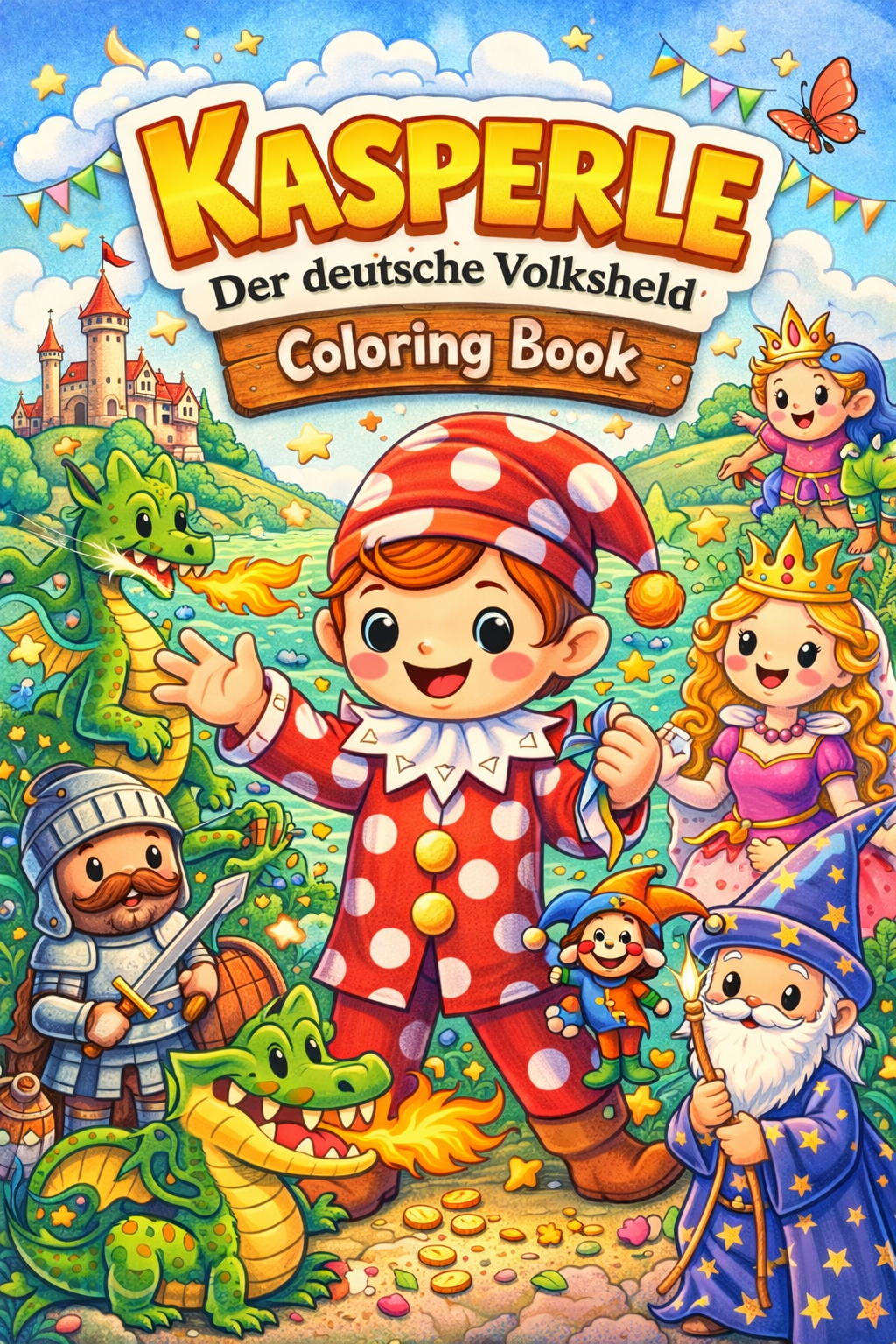
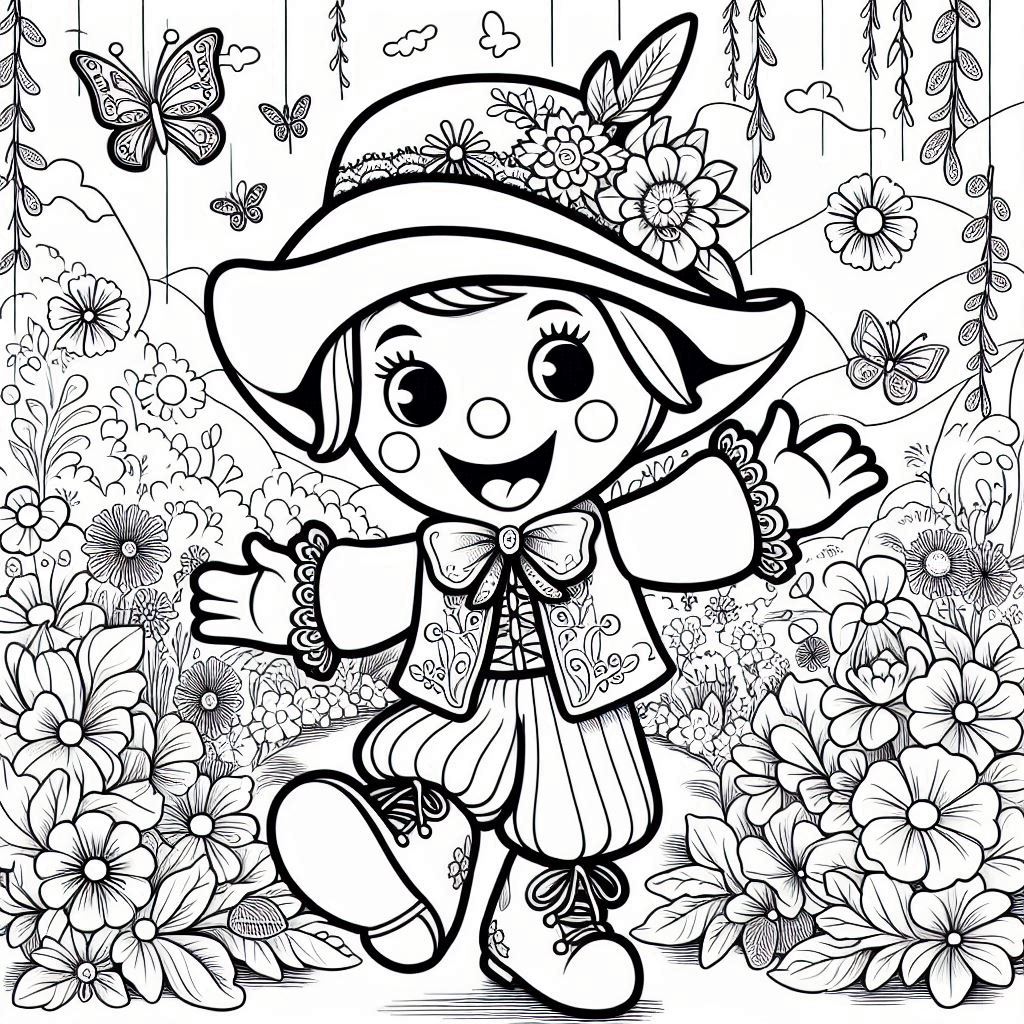


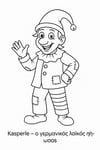
«Kasperle – Der deutsche Volksheld» Kasperle, coloring ebook, 73 designs, digital product, instantly download
Kasperle, coloring ebook, 73 designs, digital product, instantly download. «Kasperle – Der deutsche Volksheld»
Kasperle – The Beloved Trickster of German Puppet Theater
Introduction
Kasperle, sometimes called Kasper or Kasperl, is one of the most iconic figures of German popular theater. With his jester-like hat, mischievous smile, and boundless energy, Kasperle has entertained children and adults alike for centuries. Just like Punch in England or Karagiozis in Greece, he represents the humor, satire, and resilience of everyday people in the face of authority and hardship.
Origins of Kasperle
The character of Kasperle has deep roots in European folk traditions.
- Early roots: Kasperle first appeared in Germany around the 17th century, when traveling puppet shows and commedia dell’arte influences spread across Europe.
- Influence of Pulcinella: The Italian stock character Pulcinella (later adapted into England’s Punch) inspired many European trickster figures, including Kasper.
- German identity: Over time, Kasperle developed into a distinctly German character, reflecting the humor, dialects, and cultural quirks of German-speaking regions.
Appearance and Personality
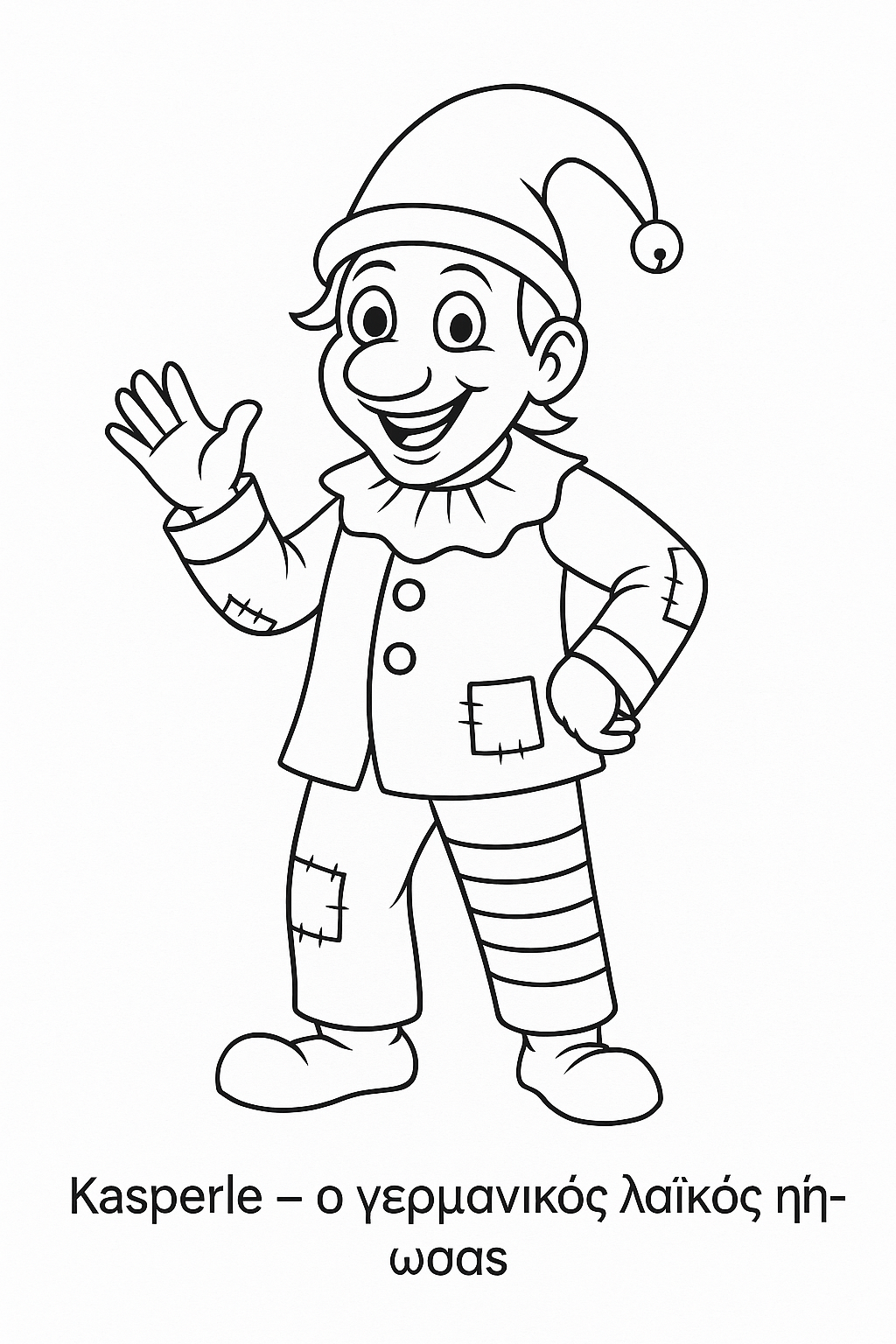
Kasperle is instantly recognizable:
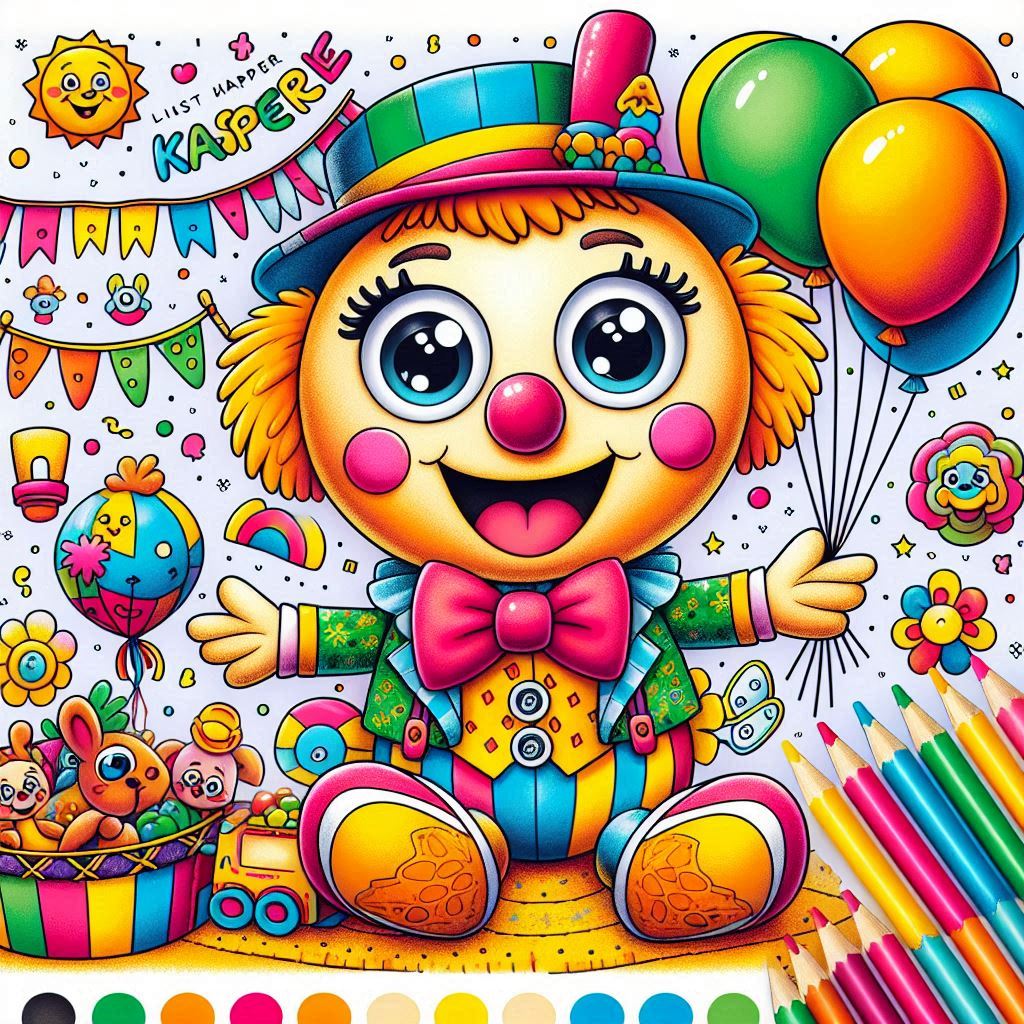
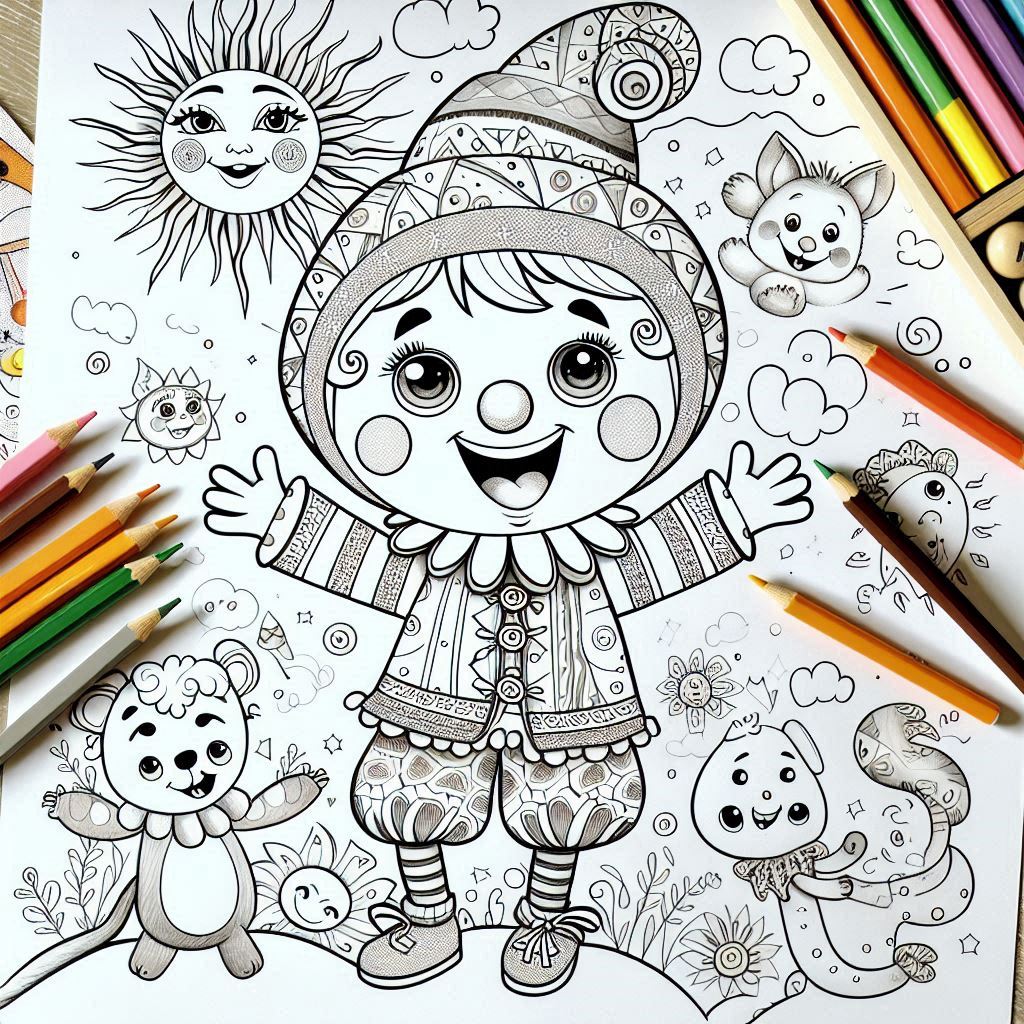
- He usually wears a pointed jester’s cap, often with bells at the tips.
- His costume is colorful, patched, and playful, giving him a clownish look.
- His face is round and smiling, with an expression of cheeky mischief.
As a character:
- Kasperle is clever, witty, and daring.
- He mocks authority figures like policemen, judges, and pompous officials.
- Despite his jokes and pranks, he usually has a good heart and stands up for justice.
Kasperle in Puppet and Shadow Theater
Kasperle was most popular in Puppentheater (puppet theater), though he also appeared in German versions of shadow plays:
- Street performances: Traveling performers staged Kasperle shows in marketplaces and fairs, entertaining both children and adults.
- Theaters: By the 19th century, Kasperle was firmly established in theaters, often as the comic relief in fairy tale adaptations.
- Shadow theater: While less central than in puppet shows, Kasperle’s character was sometimes adapted into silhouette performances, influenced by Chinese and Turkish traditions.
Supporting Characters
In Kasperle plays, several recurring figures appear alongside him:
- Gretel – Kasperle’s wife or female counterpart, sometimes practical, sometimes as mischievous as him.
- The Policeman (Polizist) – often the butt of Kasperle’s jokes.
- The Devil or Witch – villains that Kasperle outsmarts.
- The Judge – a symbol of authority, mocked by Kasperle’s cleverness.
These characters allow the plays to combine humor with moral lessons.
Themes and Stories
Kasperle stories often revolve around:
- Comedy and trickery: Fooling pompous officials, policemen, or greedy characters.
- Adventures: Fighting witches, dragons, or even Death itself.
- Everyday life: Shopping at the market, working odd jobs, or dealing with family.
Underlying these tales is always the theme of laughter as resistance – humor against fear, wit against power, and joy against hardship.
Cultural Significance
Kasperle embodies the German trickster archetype:
- He speaks the language of the people, often using regional dialects.
- He reflects folk wisdom – simple but sharp observations about life.
- He connects generations: children laugh at his silliness, while adults enjoy the satire hidden in the jokes.
In this way, Kasperle is more than just a puppet; he is a mirror of society.
Kasperle in Modern Times
Though puppet theater is less central in today’s entertainment landscape, Kasperle remains beloved:
- Children’s television and books: He appears in shows, cartoons, and storybooks for young audiences.
- Festivals and cultural events: Traditional puppet shows featuring Kasperle are still staged at fairs and museums.
- Educational uses: Teachers and storytellers use Kasperle to convey moral lessons, much like he did centuries ago.
Just like Karagiozis in Greece or Punch in England, Kasperle proves that folk humor never truly disappears – it adapts with time.
Conclusion
Kasperle is more than just a puppet: he is a symbol of laughter, resistance, and popular wisdom. For centuries, he has stood on the small wooden stage of puppet theaters, reminding audiences that even the weakest can stand up to the strongest with humor and wit. Whether in traditional puppet booths or modern children’s books, Kasperle continues to make people laugh – and in laughter, he keeps alive a vital part of German cultural heritage.