
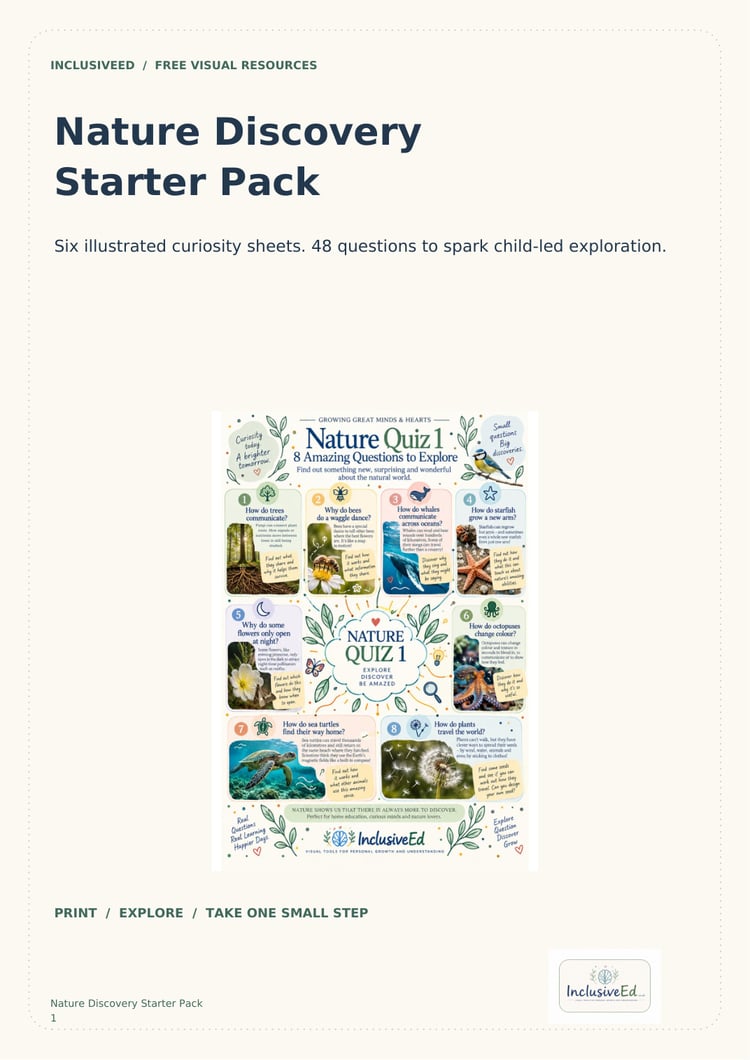
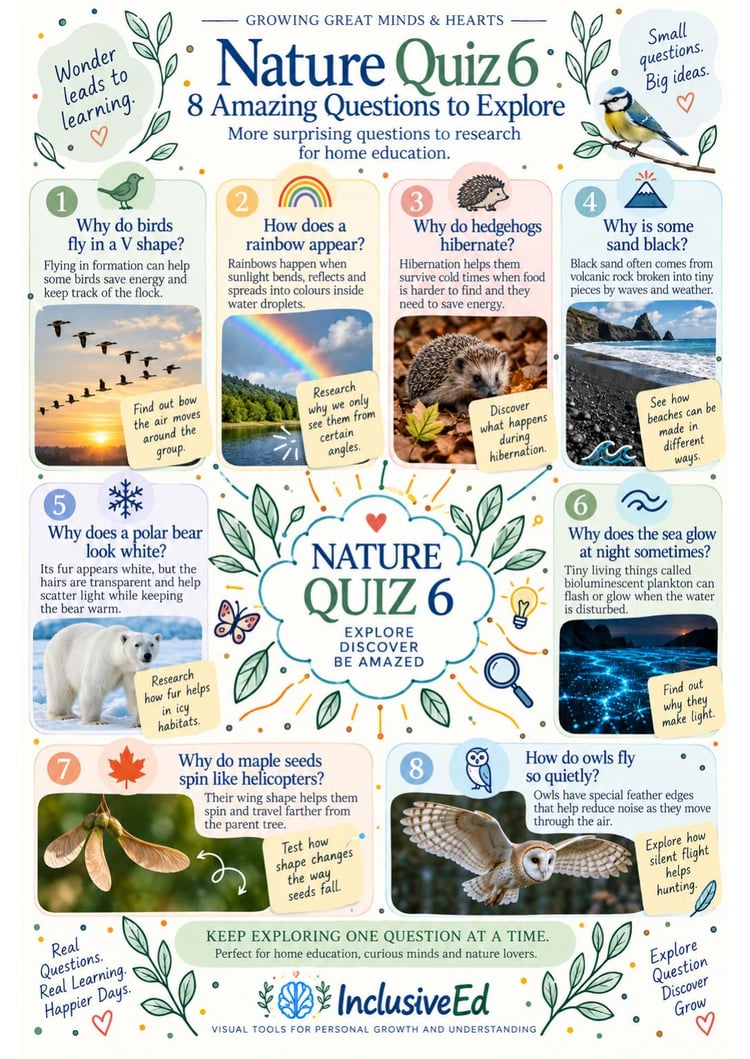
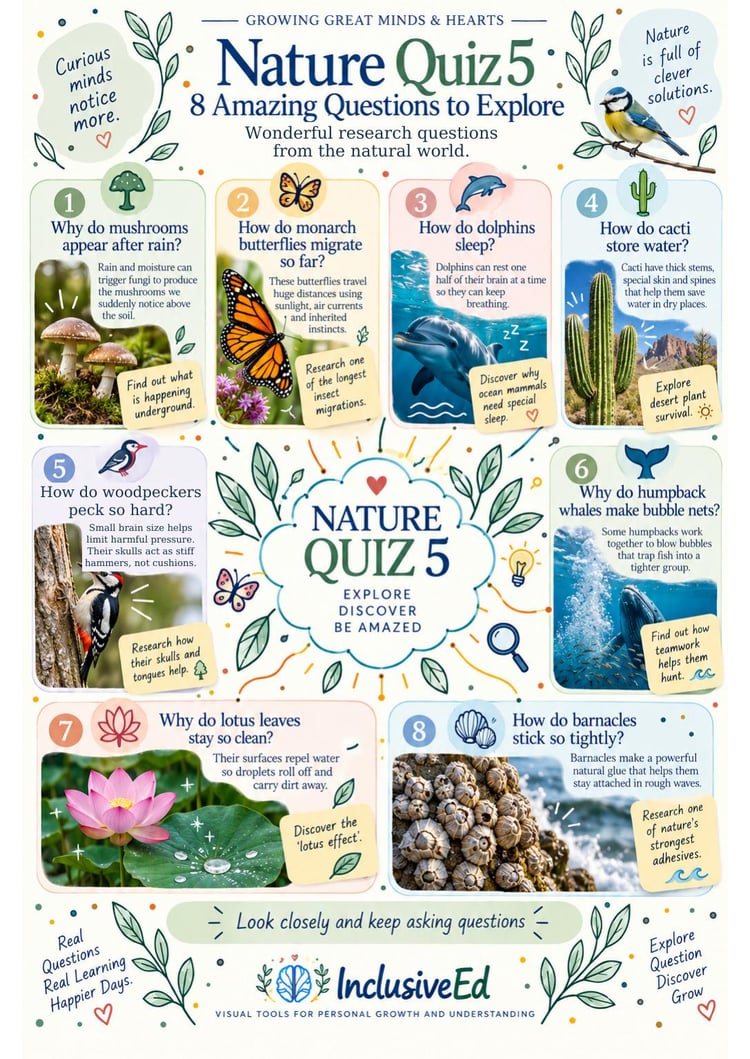
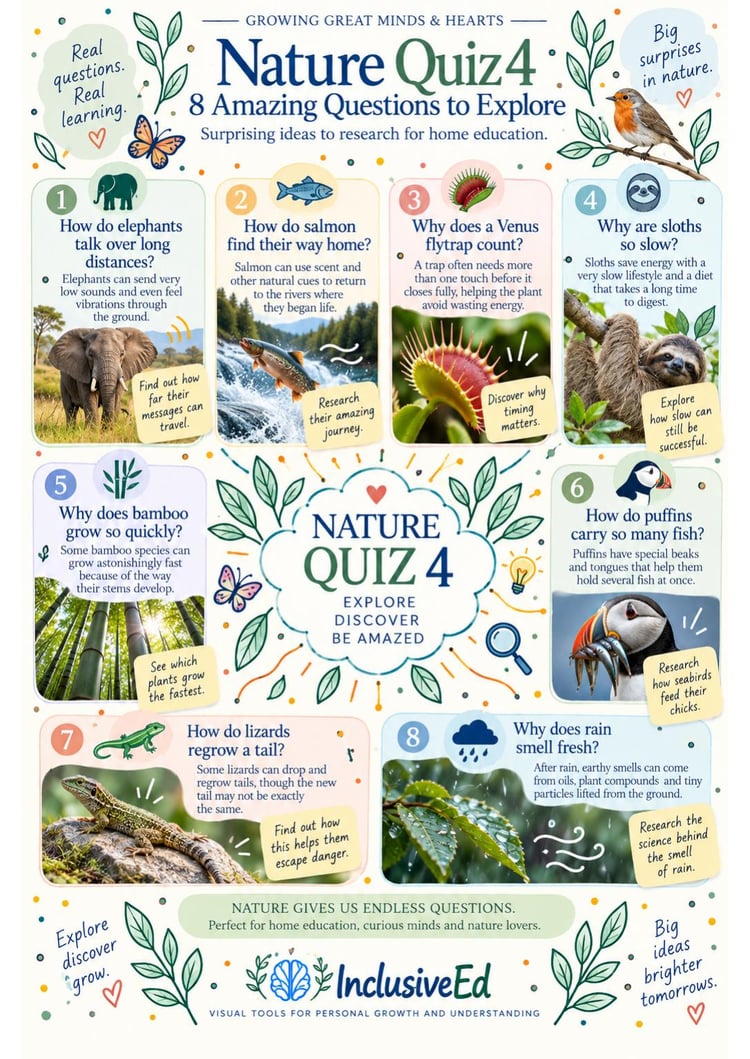
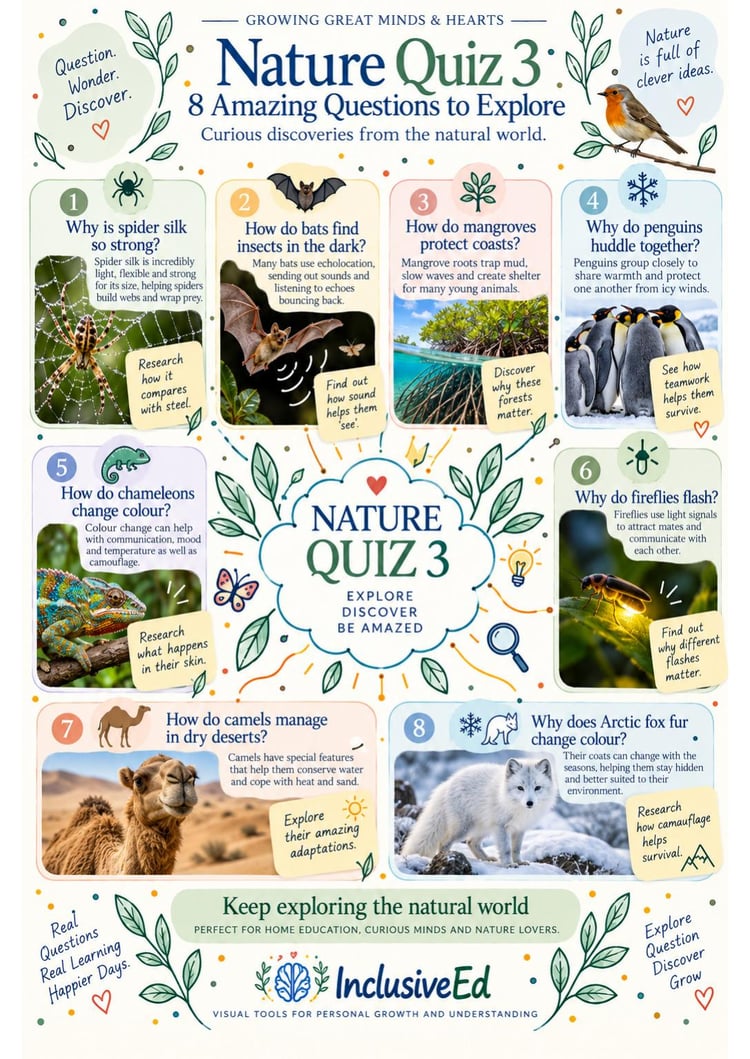
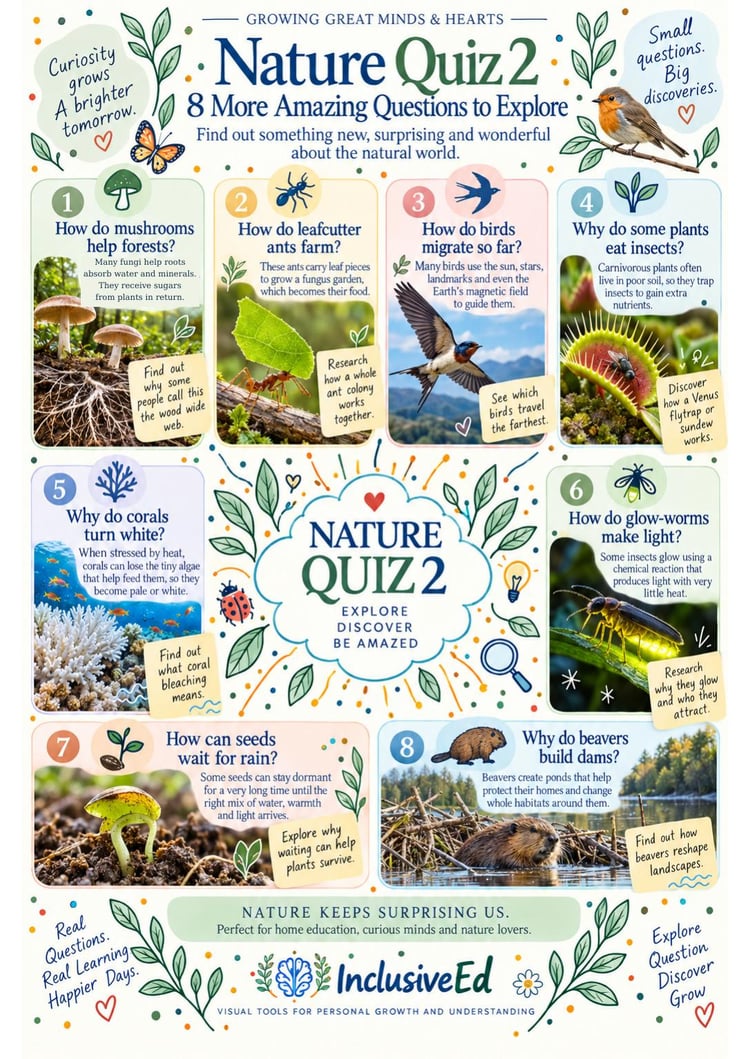
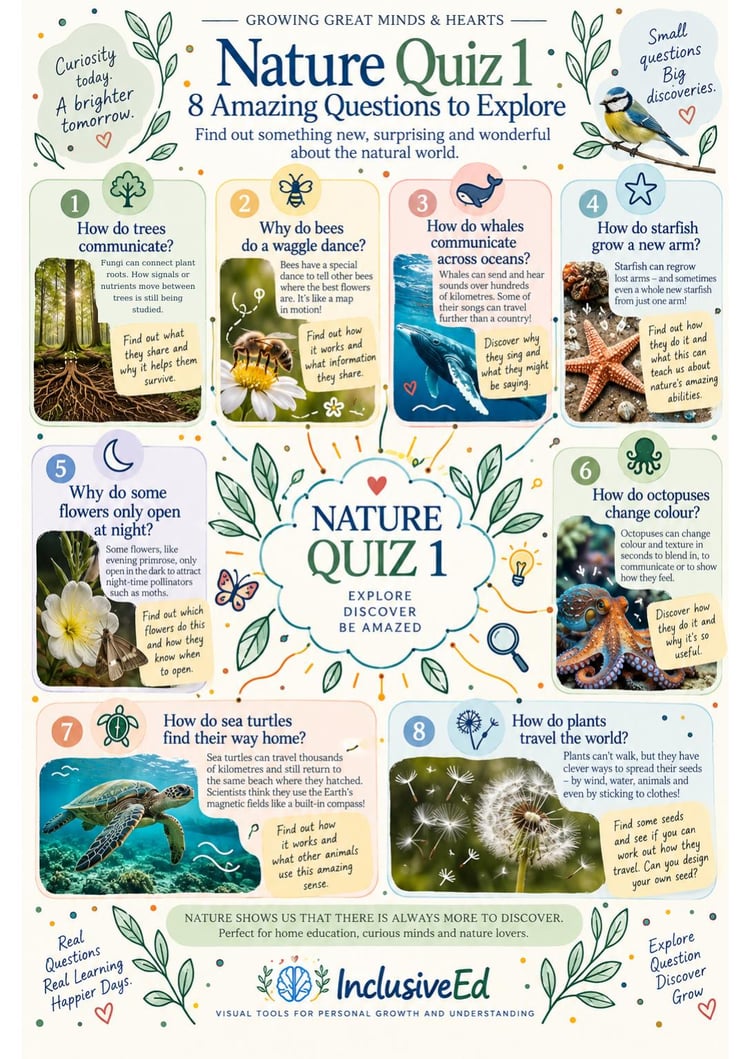
Gentle ways children and teenagers can reconnect, regulate and feel calmer in an overwhelming world There is something about nature that slows us down. Not always dramatically. Not in a magical movie-montage kind of way where everybody suddenly beco...
Read More
Visual wellbeing, SEND & confidence resources for all ages
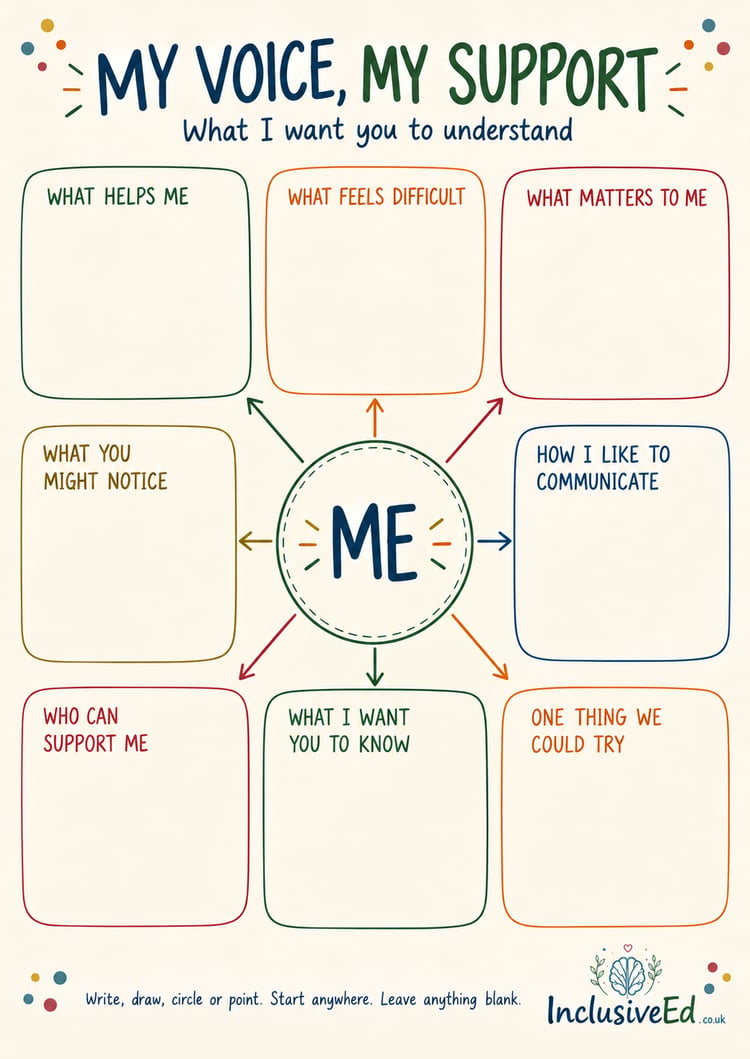
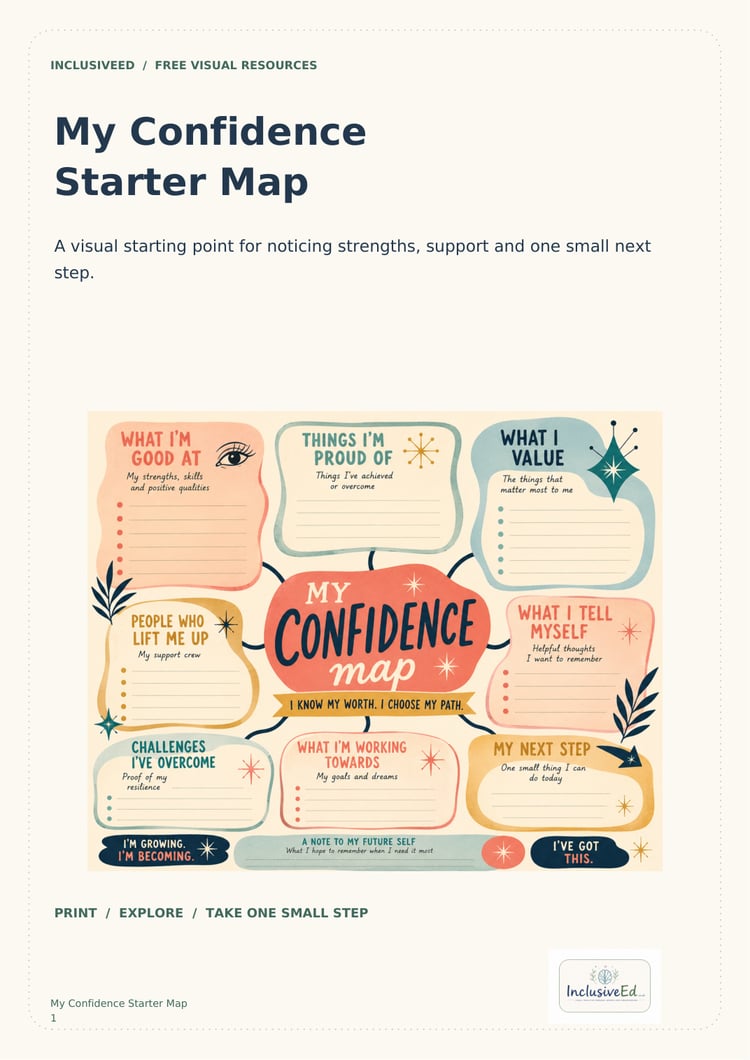
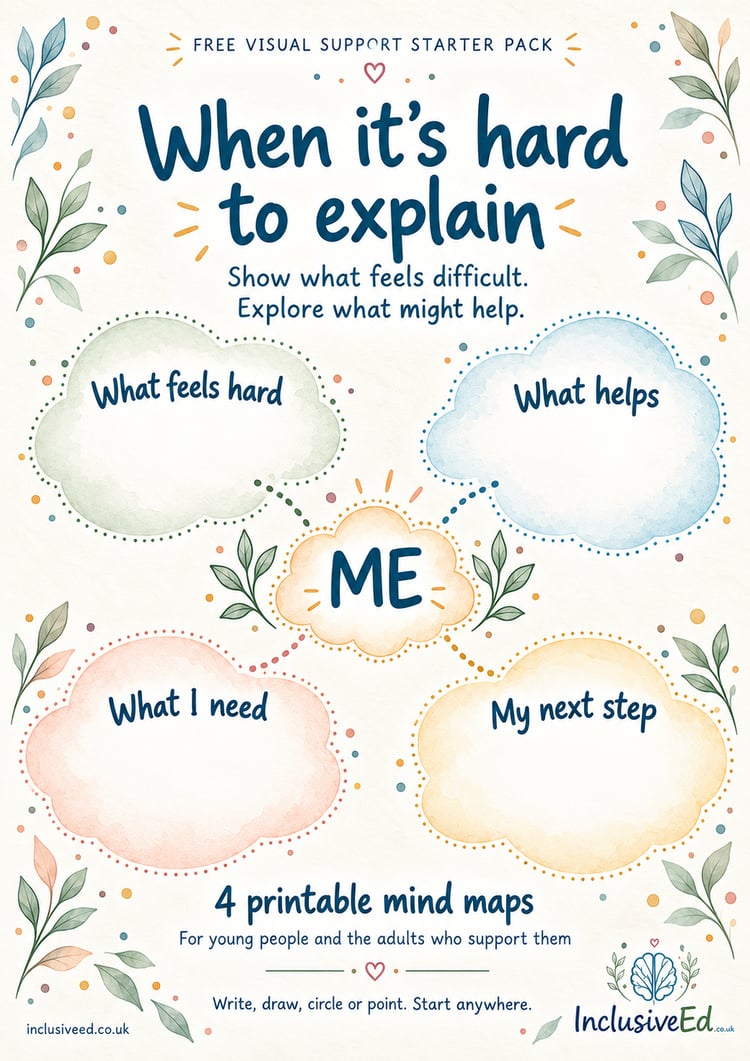
When it’s hard to explain what’s going on, make it visible.
InclusiveEd creates printable resources and interactive visual tools for children, teenagers, young adults and adults. Explore mind maps, reflective activities and planners for anxiety and overwhelm, emotional regulation, confidence, communication, study and everyday organisation.
Clear prompts break big questions into smaller steps, helping people notice patterns, express what they need and decide what comes next. Resources are available for parents and carers, home educators, teachers, SENCOs, pastoral teams and practitioners.
Choose an individual resource for a specific need, a practitioner licence for your own direct work, or a school licence for the staff access your setting requires. Check each listing for its age range, format and permitted use.
InclusiveEd — Making thinking visible.
About Jennie & InclusiveEd
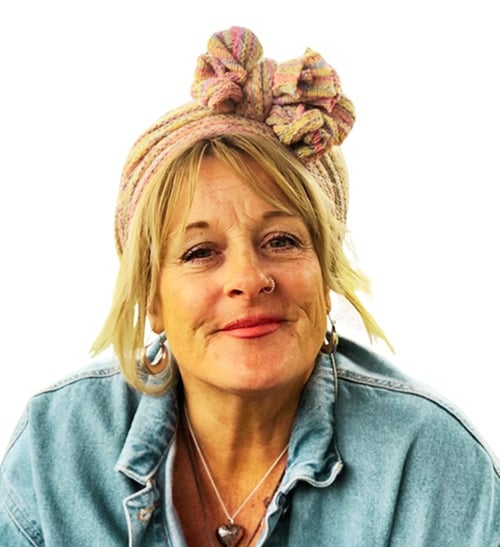
I’m Jennie Darch, founder of InclusiveEd, based in North Somerset. I create practical visual resources that help children, teenagers and adults explore their thoughts, communicate their needs and find manageable next steps.
My background includes equality, diversity and inclusion training, facilitation, public engagement and helping people work through difficult conversations. InclusiveEd also draws on my experience of supporting my daughter through anxiety and home education.
The collection brings together mind maps, reflective prompts, planners, printable activities and interactive tools. Topics include emotional wellbeing, school anxiety and EBSA, confidence, self-understanding, home education, PSHE, citizenship, study and life transitions.
I design with clear language, visual structure and space to think. Parents, carers, educators and practitioners can choose resources around the person they are supporting, at a pace that feels manageable.
Clarity. Compassion. Curiosity. Confidence.
Blog Posts
Something has shifted in schools. Across primary and secondary education, increasing numbers of children and young people are struggling with anxiety, emotional overwhelm, attendance difficulties and emotionally based school avoidance (EBSA). Persis...
Read More
When children are struggling with anxiety, emotional overwhelm or emotionally based school avoidance (EBSA), adults often feel pressure to make things better quickly. We want to calm things down. We want to help. We want to understand what is happen...
Read More
When a child is having a panic attack, most adults instinctively want to fix it quickly.We reassure.We ask questions.We encourage them to calm down.We try to reason.We try to stop the panic. But during a panic attack, a child’s nervous system is not...
Read More
When people imagine school anxiety, they often picture a child crying at the school gates. And sometimes that does happen. But school anxiety is often far quieter, more complicated and more misunderstood than people realise. Some children become dis...
Read More
One of the most confusing and upsetting experiences for parents is when a child suddenly stops talking during stress, anxiety or overwhelm. Please rest assured that this is a very common response to Anxiety. It may be out of choice that a child does...
Read More
Teenagers today are growing up in a world that can feel incredibly demanding. School pressure. Exams. Friendships. Social media. Body image. Skin changes. Hormones. Constant comparison. Questions about the future. Pressure to achieve. Pressure to “k...
Read More
There is a particular kind of fear that comes when you realise your child may be struggling emotionally. Something feels different. Maybe your child suddenly doesn’t want to go to school anymore. Maybe they cry more easily, seem constantly worried o...
Read More
Blog Posts
Children are often told to "be confident", but confidence is not something that magically appears one morning. It is something that develops gradually through experiences, relationships, practice and support. Confidence influences far more t...
Read More

Teaching issues such as bullying, protected characteristics, sex and relationships, values and identities requires more than curriculum coverage. It requires safe, inclusive environments where learners feel able to speak, listen and reflect. Having ...
Read More
When a child is struggling with anxiety, overwhelm or school avoidance, adults often feel pressure to find solutions quickly. How do we get them back to school? How do we stop the panic? How do we help them catch up? How do we build confidence again...
Read More
One of the things I have found myself reflecting on increasingly over recent years is how strangely fragmented our conversations about children can sometimes become. We discuss behaviour, attendance, wellbeing, academic attainment, anxiety, concentr...
Read More
What to Do When Your Child Refuses School Day After Day There’s a moment many parents never expect to face, the morning your child looks at you with a fear you can’t explain away anymore. Not the usual reluctance, not the “five more minutes” we all ...
Read More
When we say screen‑free learning, we don’t mean banning technology or pretending we’re back in the 1950s. We mean something more intentional: Screens should serve the learning, not replace it. In a typical secondary classroom, PowerPoint opens almos...
Read More

If you’ve ever watched a child try to make sense of the world around them, you’ll know they’re naturally curious. They ask big questions. They notice unfairness. They pick up on tension. They hear things adults say when we think they’re not listenin...
Read More
Why PSHE Is Getting Harder to Teach And What Teachers Can Do When “Manosphere” Talking Points Enter the Classroom If like me, you are engaging in certain platforms and forums where teachers share their fears you'll know that the Manosphere has...
Read More
Try the interactive tools
Explore My Support Map before choosing your resource or licence.
Try the younger and 11+ versions to see how visual prompts help make strengths, communication, learning, sensory experiences and support needs easier to explore.
These are watermarked evaluation previews. Use example answers; saving and printing are available in the licensed versions.
My Project 11+ offers three open maps for self-understanding, strengths and support.