
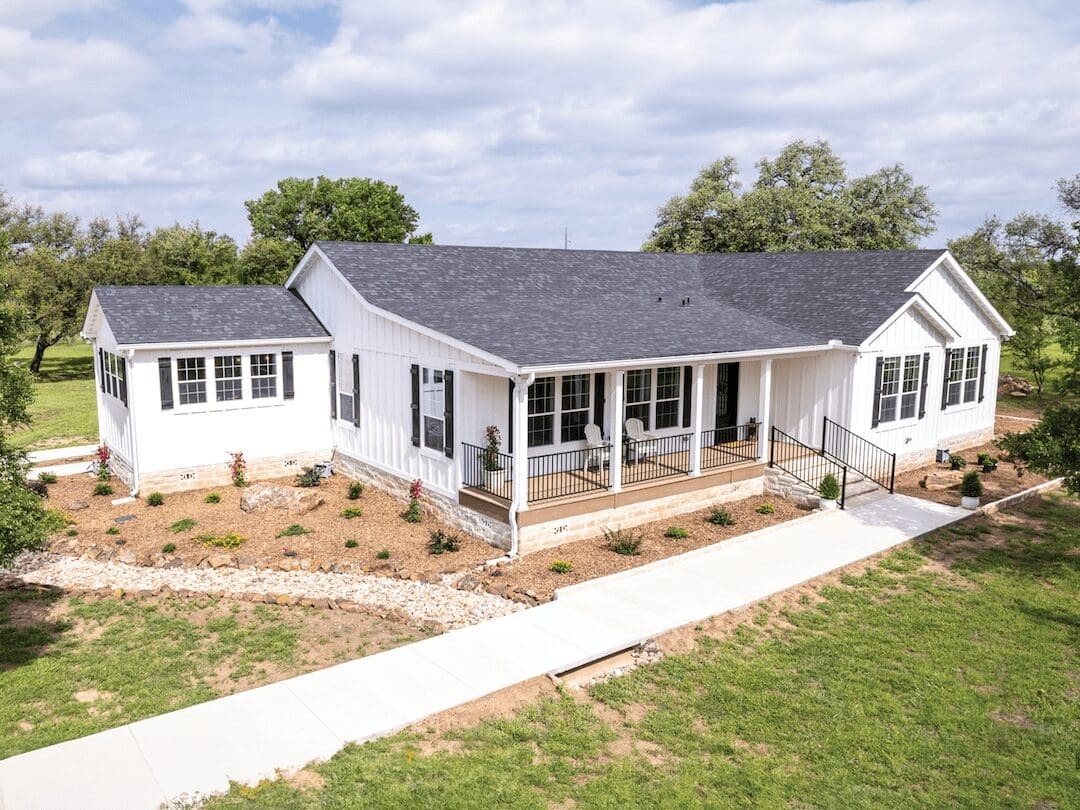
Modular Construction: A Smarter Approach to Modern Building
The Changing Landscape of Modern Construction
Imagine a construction project that progresses inside a controlled factory while the building site is being prepared simultaneously. This approach is transforming how commercial spaces, educational facilities, healthcare buildings, and temporary accommodations are developed. Modular construction offers a practical alternative to traditional building methods by combining off-site manufacturing with on-site installation. As project owners seek greater efficiency, predictable schedules, and adaptable spaces, this construction method is gaining attention. Understanding its benefits, limitations, and applications helps decision-makers determine whether modular buildings are suitable for their specific requirements.
Understanding the Fundamentals of Modular Construction
Modular construction involves manufacturing individual building sections in a factory before transporting them to a designated location for assembly. These sections, commonly called modules, are produced according to project specifications and applicable building codes. For anyone looking to Learn more about Pratt Modular, understanding this process provides useful context about the role of prefabrication in contemporary construction. Unlike conventional projects that depend heavily on sequential on-site activities, modular construction allows several tasks to proceed simultaneously. This coordinated workflow can improve efficiency while maintaining consistent manufacturing standards and supporting more organized project management.
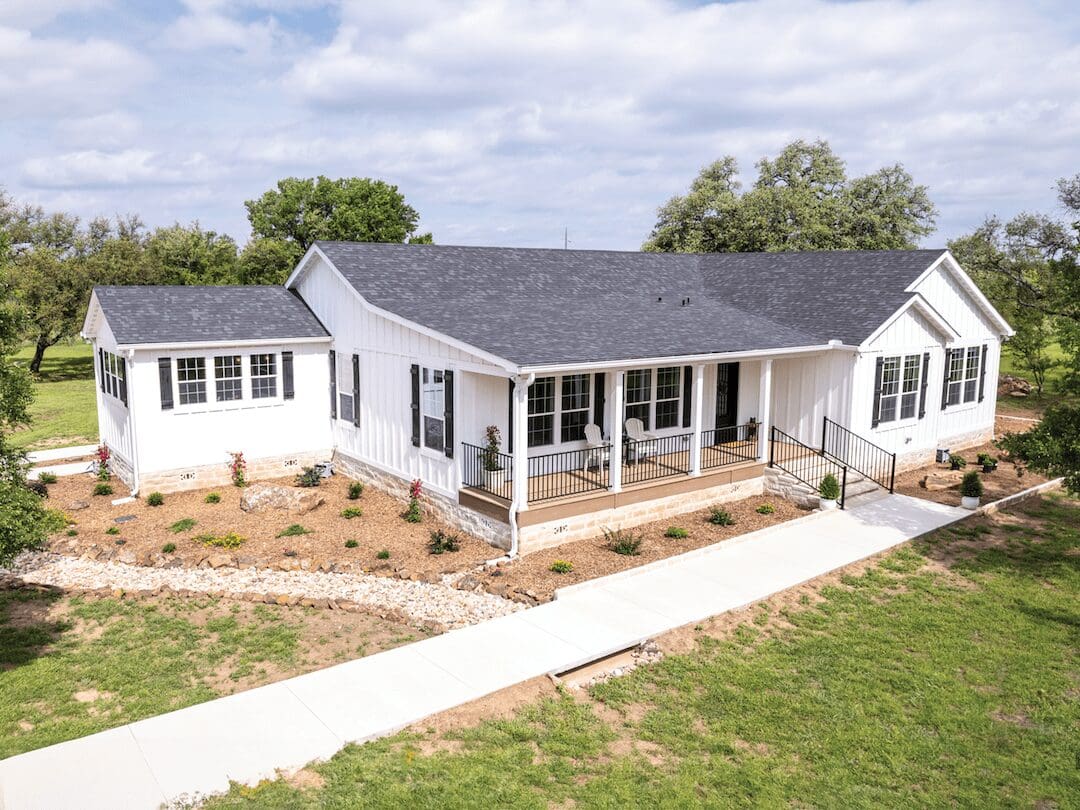
How Off-Site Manufacturing Improves Project Efficiency
One of the primary advantages of modular construction is the opportunity to complete different project stages at the same time. While modules are manufactured indoors, site preparation, foundation installation, and utility planning can continue at the construction location. This parallel workflow may reduce overall project duration compared with conventional methods, although actual savings depend on design complexity, permitting, transportation, and site conditions. Factory production also provides greater control over materials, equipment, and working environments. Weather-related interruptions can be reduced during manufacturing, helping construction teams maintain more predictable schedules and coordinate installation activities effectively.
Design Flexibility and Practical Applications
Modular buildings are suitable for a wide range of applications, including classrooms, healthcare facilities, administrative offices, worker accommodations, and commercial spaces. Pratt Modular solutions can be evaluated according to project size, operational requirements, occupancy needs, and the intended duration of use. Modern modular systems can incorporate insulation, electrical installations, plumbing, ventilation, and interior finishes before delivery. Architectural customization allows developers to consider different layouts, exterior treatments, and functional arrangements. However, transportation dimensions, local regulations, accessibility requirements, and site limitations must be assessed early to ensure that the proposed design remains practical and compliant.
Cost Management and Budget Predictability
Construction budgets can become difficult to manage when material prices fluctuate, labor availability changes, or unexpected site conditions arise. Modular construction can help improve cost visibility because many manufacturing activities take place within a controlled production environment. Standardized processes may reduce material waste and make labor requirements easier to estimate. When evaluating Pratt Modular options, project stakeholders should compare the complete project cost rather than focusing exclusively on manufacturing expenses. Transportation, cranes, foundations, permits, utility connections, and finishing work can significantly influence the final budget. Careful planning and transparent quotations remain essential for informed financial decisions.
Quality Control, Safety, and Building Performance
Quality assurance is another important consideration in modular construction. Factory environments allow components to be inspected at different production stages, helping teams identify defects before modules reach the project site. Standardized procedures can support consistent workmanship, while organized manufacturing spaces may reduce certain hazards associated with exposed outdoor construction. Nevertheless, modular buildings must meet the same relevant structural, fire safety, energy efficiency, and occupancy requirements applicable to their intended location. Transportation and installation also require careful supervision. Effective inspections, certified materials, and qualified contractors are essential to achieving reliable performance throughout the building's service life.
Sustainability and Efficient Resource Utilization
Environmental responsibility has become increasingly important across the construction industry. Modular manufacturing can support sustainability by improving material measurement, reducing offcuts, and organizing waste collection more effectively than some traditional site-based processes. Shorter on-site construction periods may also reduce local disruption, equipment idling, and the duration of certain construction activities. Reusable modules can offer additional value when buildings are designed for relocation or future expansion. However, environmental benefits are not automatic. Manufacturing energy, transportation distances, material selection, insulation quality, and the building's operational performance all influence its overall environmental footprint and should be considered during project planning.
Important Considerations Before Selecting a Modular Building
Despite its advantages, modular construction requires detailed coordination from the earliest design stages. Building regulations, planning approvals, foundation requirements, road access, lifting equipment, and connections between modules must be addressed before manufacturing begins. Late design changes may prove expensive because factory production follows carefully established specifications. Developers should also examine the supplier's experience, quality assurance procedures, delivery schedule, warranty provisions, and after-installation support. A comprehensive assessment helps determine whether modular construction suits the project's location, intended use, and long-term objectives. Comparing several proposals against consistent performance criteria can support a more balanced purchasing decision.
Conclusion
Modular construction represents a practical development in the building industry, offering opportunities to improve scheduling, manage resources, and create adaptable spaces for changing operational demands. Its effectiveness depends on thoughtful design, reliable manufacturing, regulatory compliance, and coordination between suppliers and site contractors. Before committing to a project, decision-makers should evaluate lifecycle costs, transportation requirements, building performance, and future expansion possibilities. For additional information about available solutions and project considerations, visit Prattmodularom to explore relevant resources. A carefully planned modular building can provide a dependable alternative to conventional construction when its capabilities align with the project's technical, financial, and functional requirements.