

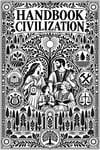

Handbook Civilization
A civilization that serves human beings.
Read a sample and explore the illustrated plates.
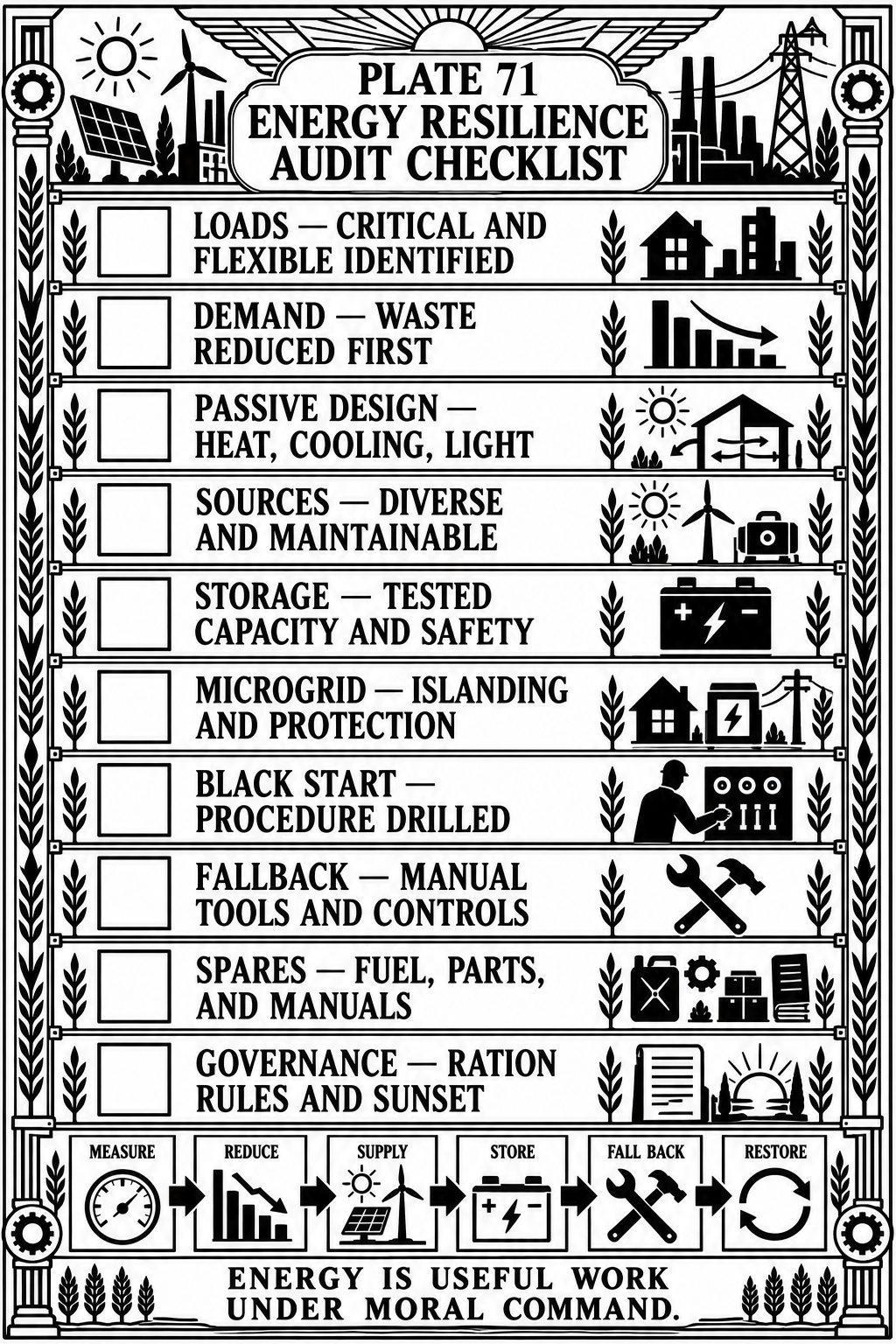
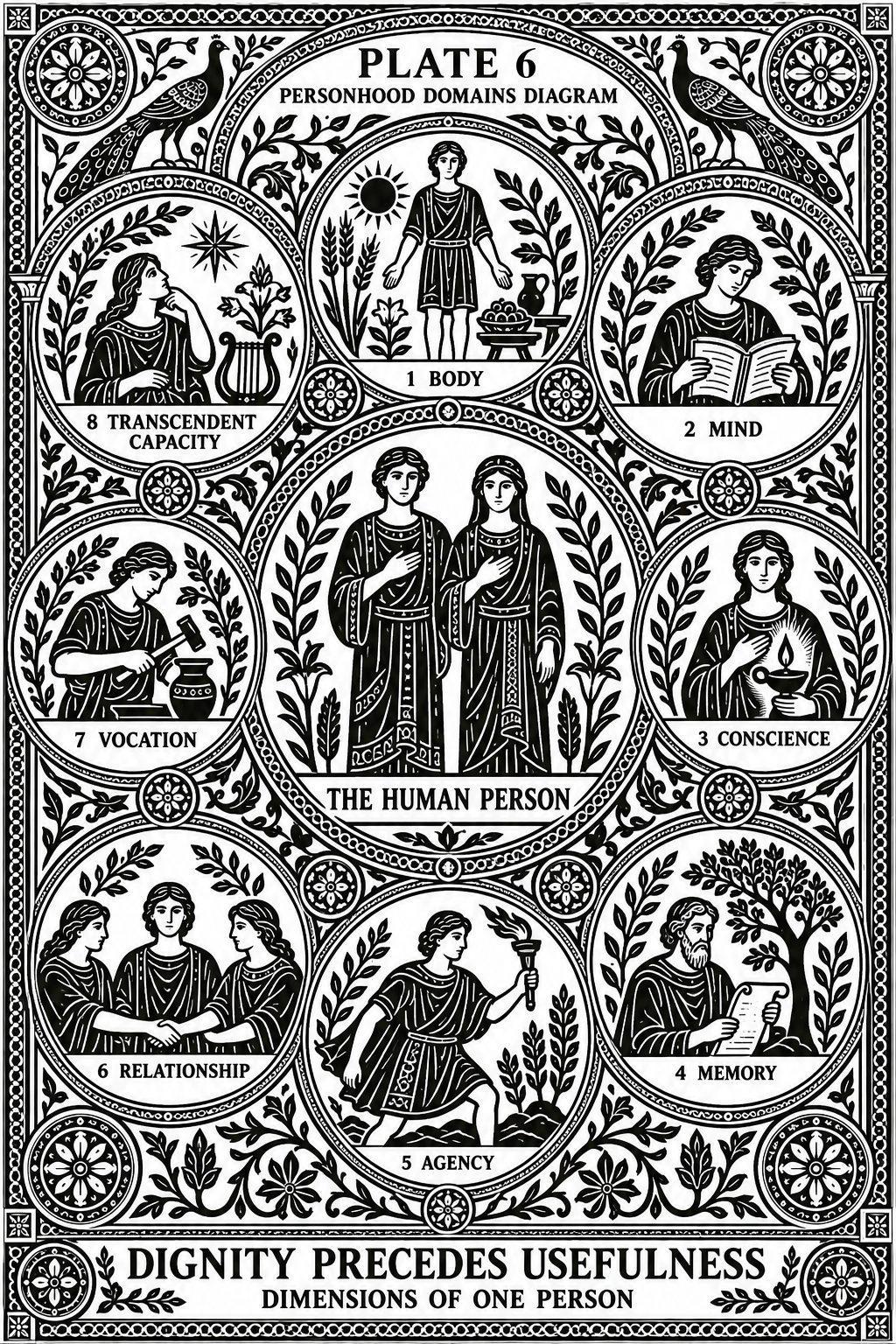
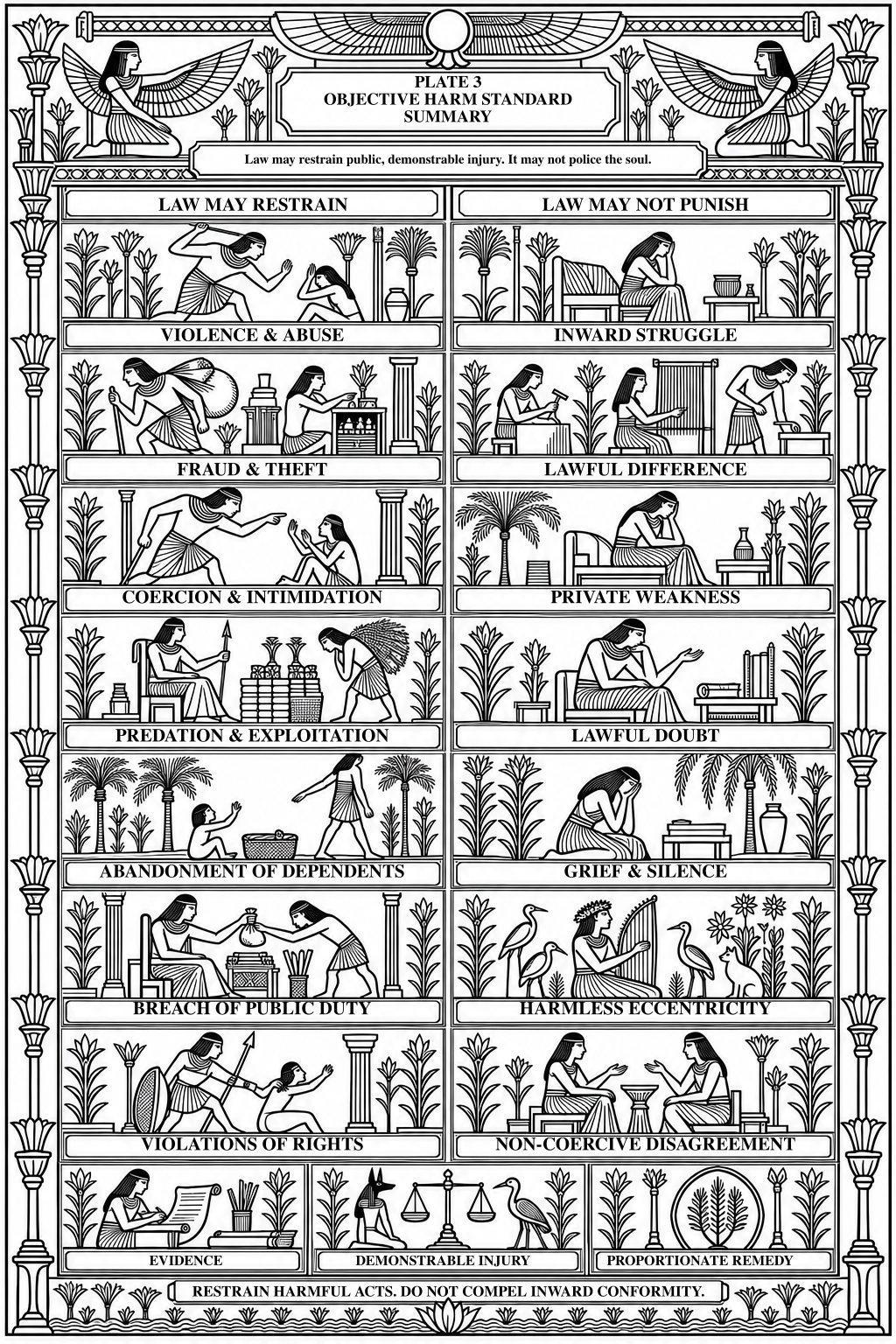
First Edition • 37 chapters • 181 illustrated plates • Digital PDF • $9.95 • Approx. 95 MB
Instant download. Best viewed in a PDF reader on a tablet or computer. Zoom in to explore the illustrated plates.
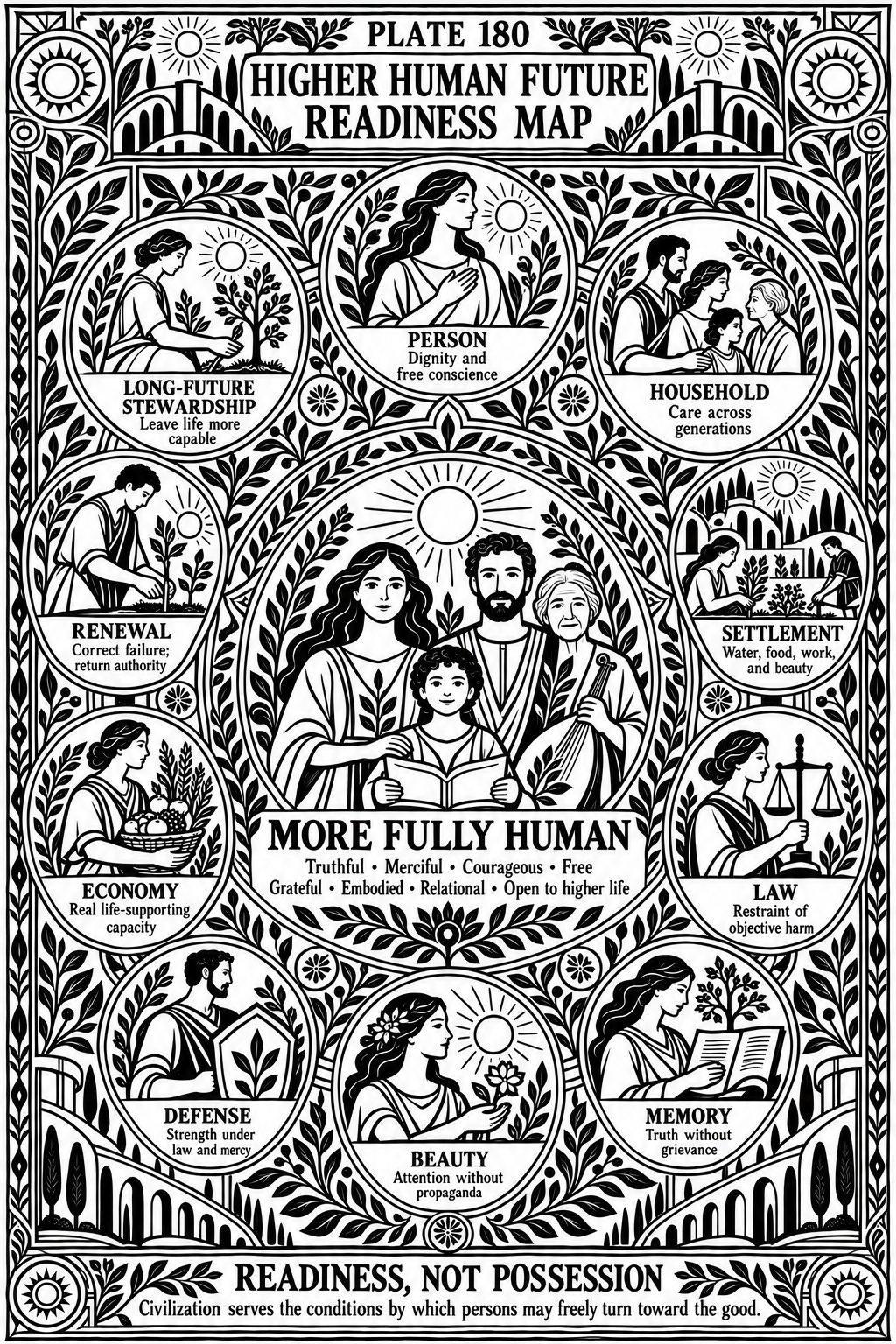
Handbook Civilization is an illustrated guide to shaping institutions, technology, and communities around human dignity, freedom, and resilience. It offers practical principles for evaluating the systems that shape our lives and preserving the conditions in which people can pursue a higher purpose.
At its heart is the conviction that a humane civilization can provide fertile ground for human ascension and the eternal survival of our species.
This book therefore sets aside divisive labels such as capitalism and communism, conservatism and liberalism, to address universal human truths. It recognizes that an enduring and flourishing civilization is not built upon a particular technology or social order, but upon the ways in which human beings safeguard one another’s ability to pursue our common higher purpose.
Unlike books that merely criticize modern society or prescribe a single political ideology, Handbook Civilization is a pattern book. It identifies the functions a humane civilization must perform, the principles that should govern them, and the safeguards needed to keep institutions subordinate to people rather than people subordinate to systems. As such, it may be used as a guide for human leaders and as a standard for evaluating any intelligent system whose decisions affect humanity’s future.
Who this book is for
Handbook Civilization is for readers who want to explore how civilization can support human dignity, freedom, resilience, and higher purpose.
It speaks to community builders, educators, engineers, technology leaders, and thoughtful readers seeking connections between everyday responsibilities and humanity’s long-term possibilities. You don’t need a technical background—just an interest in the world we are building and the people it should serve.
Questions this book helps you explore
• How can institutions remain accountable to the people they serve?
• What should households and communities preserve as technology changes?
• How can AI serve human purposes while remaining under human authority?
Across its chapters and illustrated plates, the book offers principles and practical frameworks for considering these questions—from the household to the institutions that shape our shared future.