
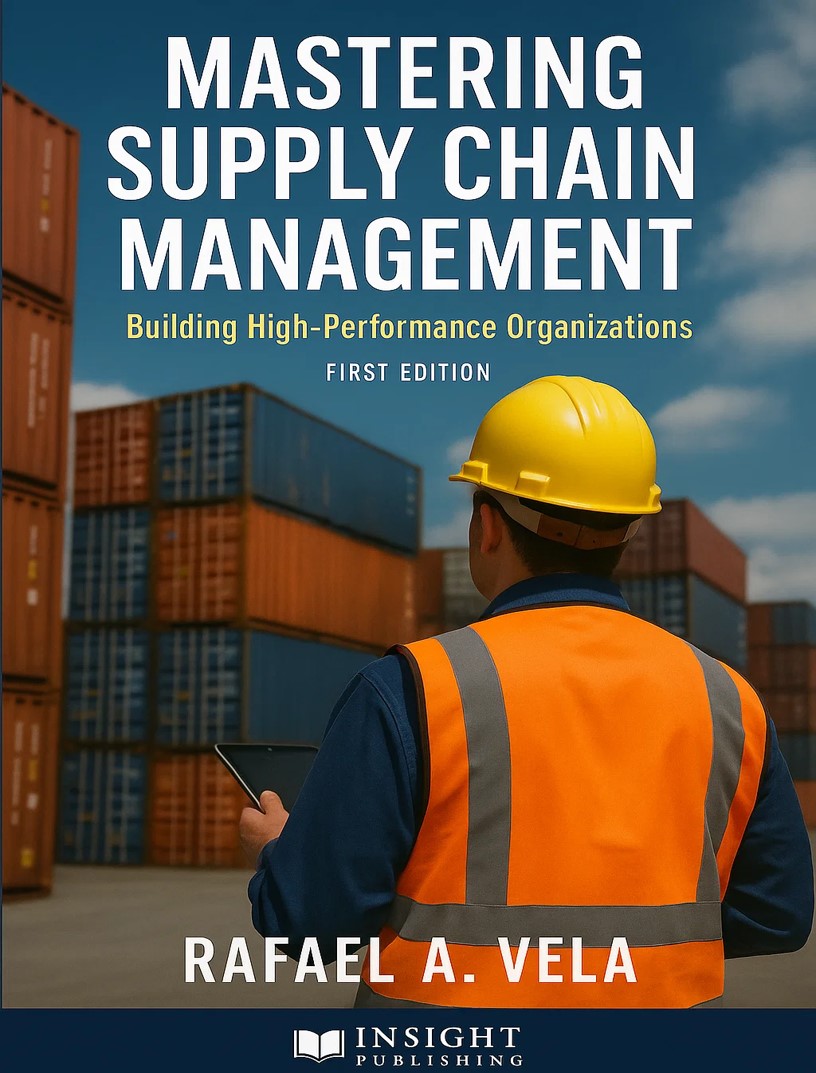
Mastering Supply Chain Management: Building High-Performance Organizations (129 pages)
Is your supply chain a source of operational headaches rather than a driver of competitive advantage?
In today's complex market, an underperforming supply chain is a major liability. It leads to inefficiency, low profitability, and a failure to meet customer expectations. You know that a well-orchestrated supply chain can be your greatest asset, but you need the right strategies to make it a reality.
"MASTERING SUPPLY CHAIN MANAGEMENT" is your definitive guide to building a high-performance organization. This isn't a book of theory; it’s a practical blueprint designed to equip you with the knowledge and tools necessary to transform your supply chain into a powerful source of growth, profitability, and customer satisfaction.
Inside this essential first edition, you will discover how to:
- Unlock significant growth and profitability by optimizing every facet of your supply chain, from sourcing to delivery.
- Enhance customer satisfaction and loyalty with a resilient and efficient system that consistently meets their needs.
- Build a high-performance organization by fostering a culture of SCM excellence and continuous improvement.
- Gain a lasting competitive advantage by turning your supply chain into a strategic weapon that outpaces the competition.
Stop letting your supply chain operate below its potential.
Buy your copy today and start building a high-performance organization that dominates your market.
Table of Contents
- Chapter 1: Introduction to High-Performance SCM
- Chapter 2: Foundations of SCM Excellence
- Chapter 3: Leadership and Culture in SCM
- Chapter 4: Designing Agile Supply Chains
- Chapter 5: Technology and Digital Transformation in SCM
- Chapter 6: Supplier Relationship Management
- Chapter 7: Demand Planning and Forecasting
- Chapter 8: Inventory Optimization
- Chapter 9: Logistics and Transportation Management
- Chapter 10: Risk Management in SCM
- Chapter 11: Measuring and Improving SCM Performance
- Chapter 12: Conclusion - Charting the Path Forward