




Kali Linux – Wireless & Penetration Security
 Kali Linux – Wireless & Penetration Security (Educational Overview)
Kali Linux is one of the most widely used platforms for learning ethical hacking, especially in the area of wireless security. It provides a complete set of tools to help cybersecurity learners understand how Wi-Fi networks work, how attacks happen, and most importantly — how to defend systems against them.
 What You Learn (Ethically & Safely)
Fundamentals of wireless technologies (2.4GHz, 5GHz, WPA2/WPA3)
How wireless authentication works
Identifying common Wi-Fi security weaknesses
Analyzing wireless traffic
Testing your own networks for misconfigurations
Strengthening routers and access points
Preventing unauthorized access
Protecting against wireless threats like spoofing, fake APs, and weak passwords
Tools Used for Learning (Safe When Used on Your Own Devices)
Wireshark (traffic analysis)
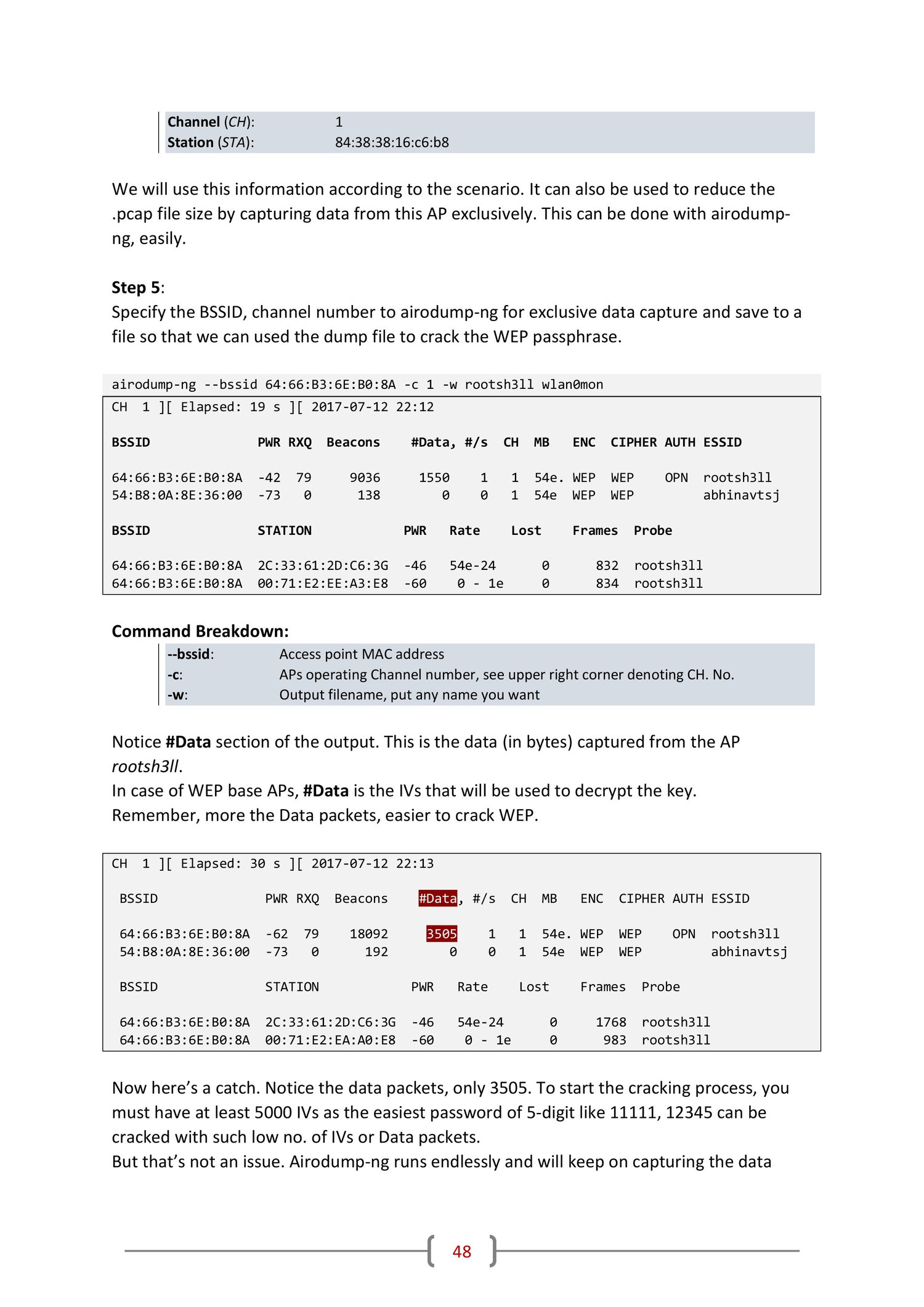
Aircrack-ng suite (audit your own Wi-Fi)
Kismet (wireless monitoring)
Bettercap (network reconnaissance)
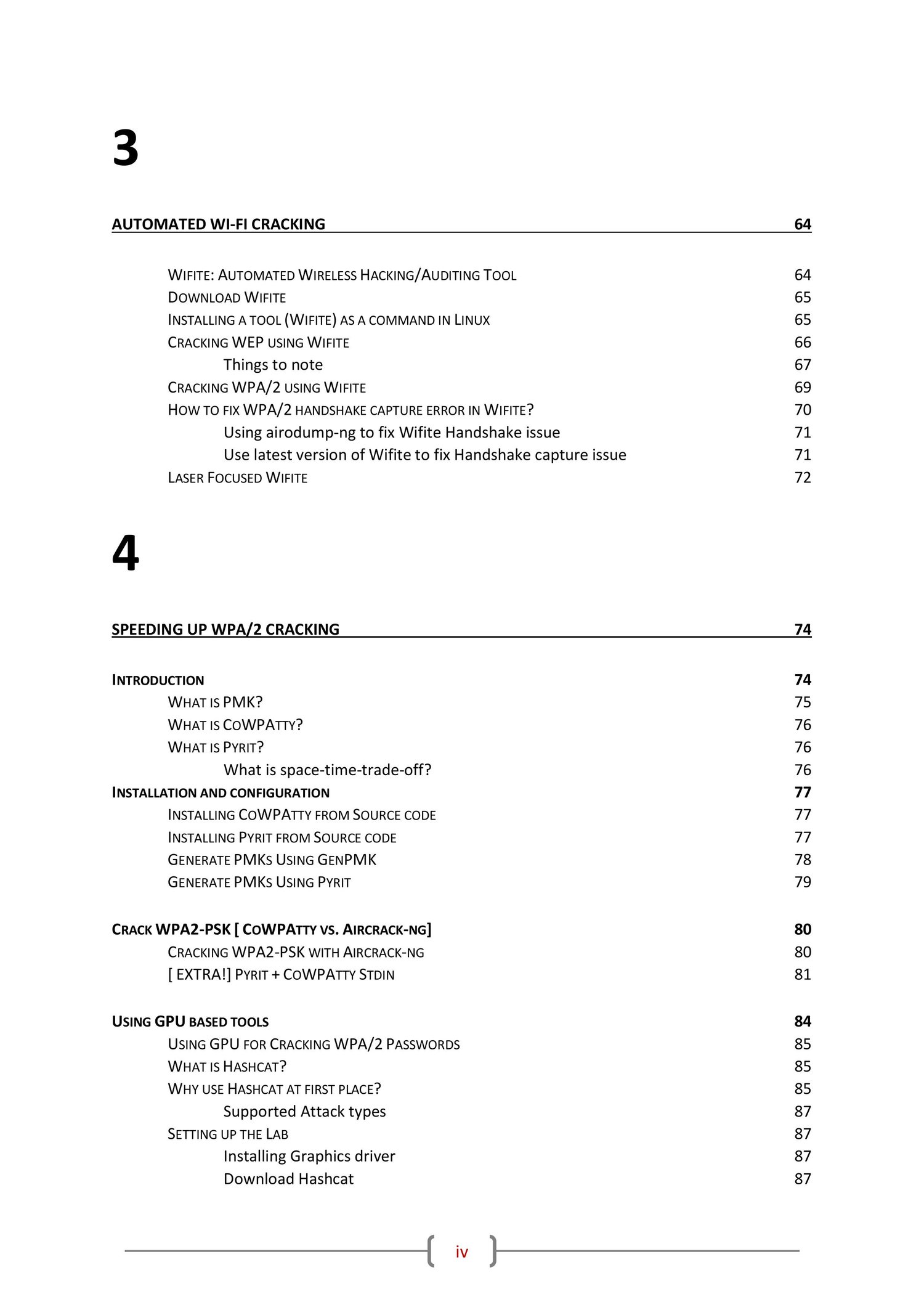
Wifite (automated auditing on approved networks)
Why It’s Important
Understanding wireless penetration testing helps you:
Improve network security
Prevent unauthorized access
Protect sensitive data
Strengthen your home or corporate Wi-Fi environment