
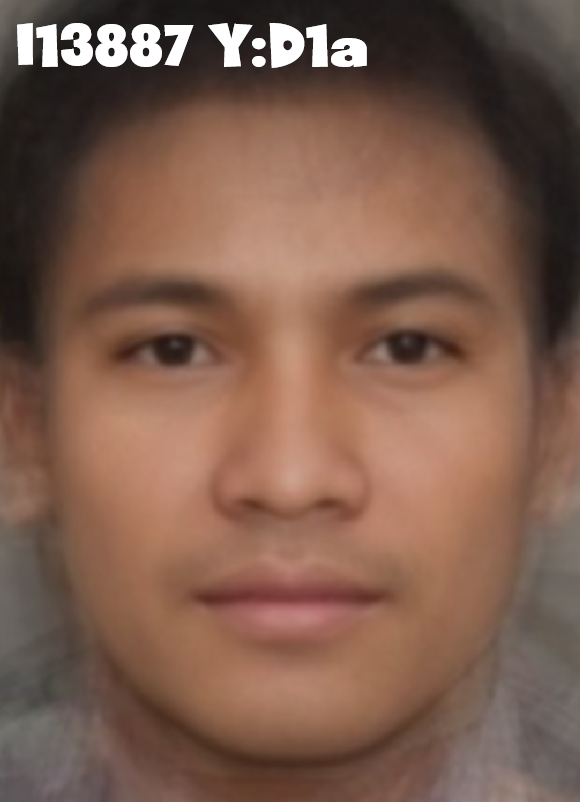



5 Jomon_HG samples, 23andme format
The Jōmon hunter-gatherers were one of the most distinctive ancient populations of East Asia. Occupying the Japanese archipelago from roughly 14,000 BCE to 300 BCE, they lived in small, sedentary communities, relied heavily on fishing, foraging, and shellfish gathering, and produced some of the world’s earliest pottery.
The Ainu people of northern Japan (especially Hokkaidō) carry the highest proportion of Jōmon ancestry of any modern population. Genetic studies consistently show that Ainu people derive 70–90% of their ancestry from Jōmon-related hunter-gatherers. Their phenotypic traits that differ from mainland Japanese—such as higher body hair density and distinctive facial features—are partly linked to this deep Jōmon background.
In this video, we will explore 5 Jomon hunter-gatherer genomes.