



Solar Eclipse when the sun plays peek a boo
SOLAR ECLIPSE: When the Sun Plays Peek-a-Boo
Product Overview & Description
SOLAR ECLIPSE: When the Sun Plays Peek-a-Boo — Science, History, Myth, Culture, Photography and the Future of Solar Eclipses
By Boniface Gathua (First Edition, 2026)
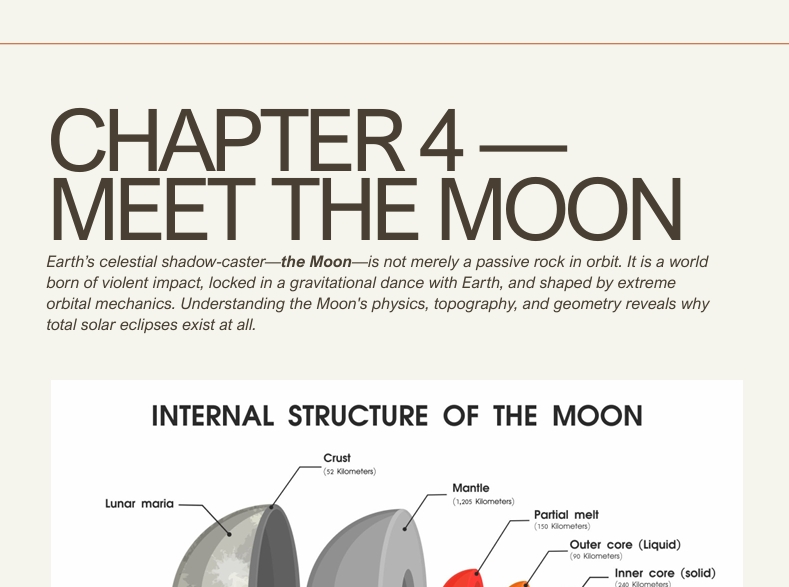
Written over nine months of recovery and study, I provide a comprehensive, 360-degree cosmic guide to solar eclipses. The book spans astronomy, historical records, human cultural myths, modern technology, and practical observational field techniques.
Key Book Information
Title:SOLAR ECLIPSE: When the Sun Plays Peek-a-Boo
Subtitle: Science, History, Myth, Culture, Photography and the Future of Solar Eclipses
Author & Publisher: Boniface Gathua (Self-Published)
Publication Year: 2026 (First Edition)
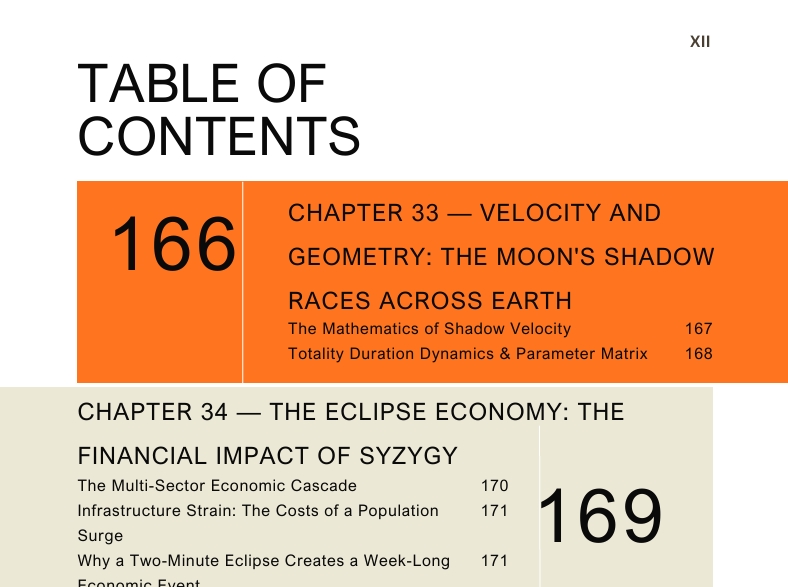
Length: 180+ Pages across 37 Detailed Chapters
Contact & Support Details:
Email: `bonifacegathua@gmail.com`
Direct/WhatsApp: `+254 710 892 578`
Support / Patreon: [Patreon - BonifaceGathua](www.google.com/search
You Will Learn & Find Inside
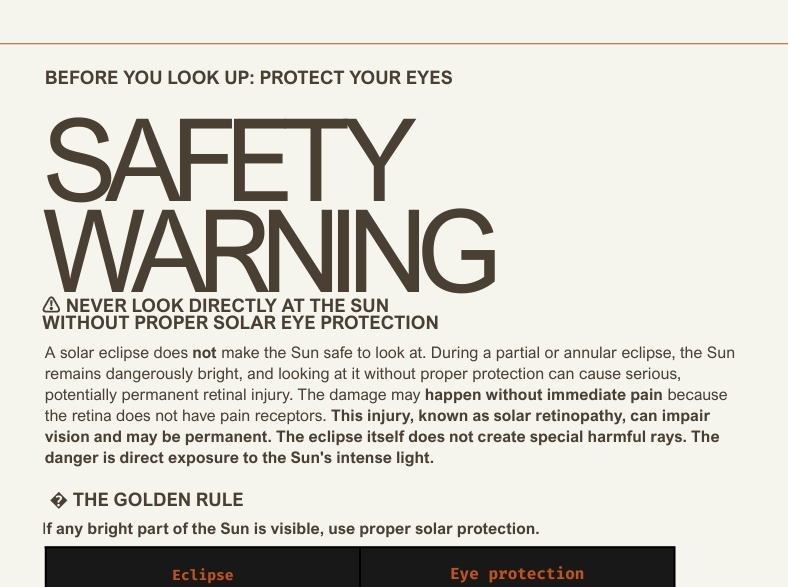
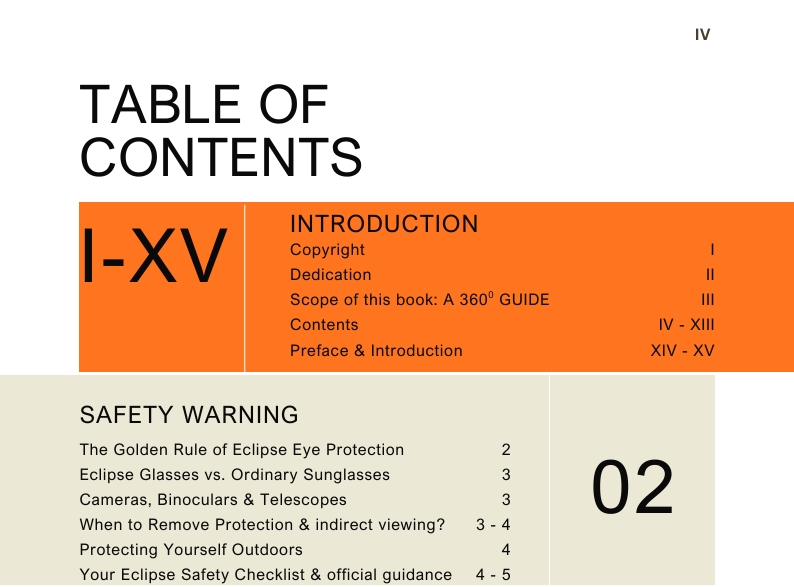
1. Essential Solar Safety Protocols
ISO 12312-2 Viewing Standards: Detailed distinction between standard sunglasses vs. certified solar eclipse glasses.
Optical Equipment Rules: Procedures for using solar filters on telescopes, binoculars, and cameras.
Indirect Viewing Guides: Step-by-step instructions for building cereal box pinhole viewers and using tree leaf shadows or colanders.
2. Comprehensive Celestial Science & Orbital Mechanics
Solar Architecture & Physics: Deep dives into the core, radiative/convective zones, photosphere, chromosphere, and the coronal heating mystery.
3D Orbital Mechanics:Explanations of syzygy, nodal alignments, ecliptic inclination, and the 11-year solar/22-year Hale cycles.
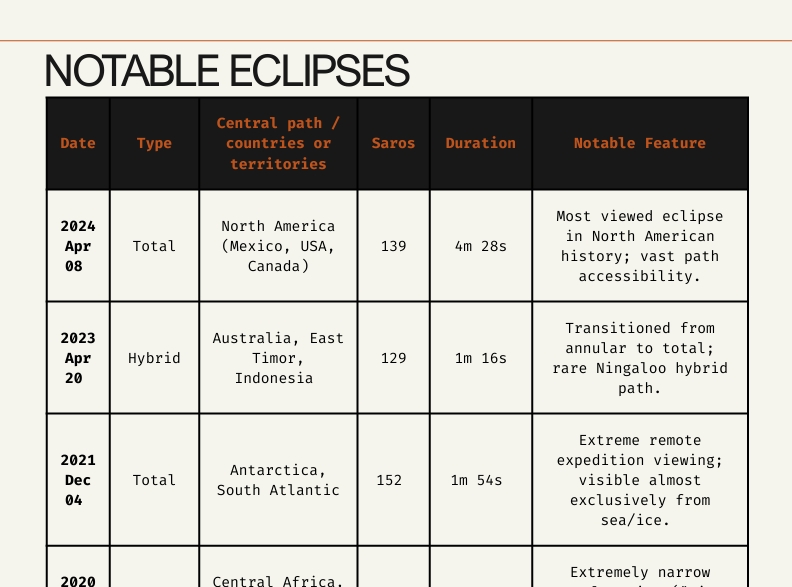
The 4 Eclipse Types: Breakdown of Total, Partial, Annular ("Ring of Fire"), and rare Hybrid eclipses.
3. Biological & Atmospheric Effects
Wildlife & Plant Responses: empirical research on animal behaviors—from songbird silence and honeybee flight patterns to nocturnal insect choruses and plant nyctinasty.
Geophysical Dynamics: Immediate air and ground cooling, boundary layer convective suppression ("eclipse wind"), and ionospheric disturbance impacting GPS/radio waves.
Power Grid Management: Analysis of rapid utility solar power drops and grid ramp management.
4. Deep History, Myths, and World Religions
Ancient Folklore: Cultural interpretations from China (Tiangou dragon), Korea (Fire Dogs), Egypt (Ra vs. Apophis), Norse (Sköll and Hati), Maya, Aztec, Choctaw, and Navajo traditions.
African Traditions: Social reconciliation practices of the Batammaliba (Togo/Benin) and East African traditions across Swahili, Pokot, Kalenjin, Samburu, and Kikuyu cultures.
Liturgical Practices: Liturgies across world religions—including the Islamic Salat al-Kusuf prayer, Hindu Sutak fasting and purification baths, Judaic/Christian scriptural contexts, and Buddhist karmic merit multiplication.
5. Mathematical cycles & Predictive Astronomy History
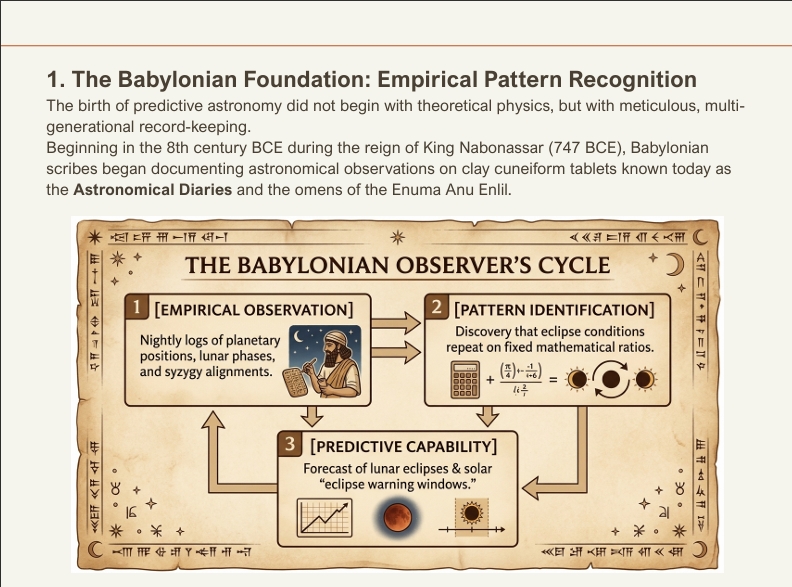
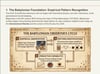
Ancient Records to Modern Algorithms:** From Babylonian cuneiform tablets and the 18-year Saros/Exeligmos cycles to Greek geometry (Hipparchus, Antikythera Mechanism) and Einstein's 1919 relativity verification.
Cosmic Clocks & The Distant Future: Historical , ΔT, Earth rotation tracking, lunar recession (3.8cm/year drift), and the eventual end of total solar eclipses.
6. Reference Tools, Photography Guides, and Future Path Maps
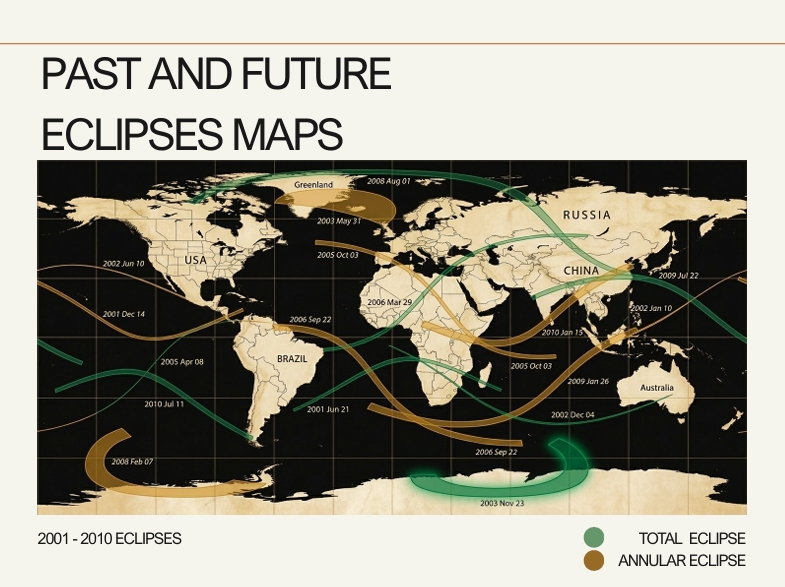
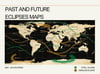
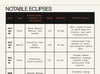
76-Year Eclipse Atlas (2026–2100):Comprehensive global path descriptions, contact times, and geographic trajectories.
Astrophotography Cheat Sheets: Camera settings, exposure bracketing tables, coronal stacking, and lens safety protocols.
Inclusive Astronomy & Practical Logistics: Accessibility details using Light sound sonification technology for blind/low-vision observers, along with field operations checklists for eclipse chasers (umbraphiles).