


Early Medieval Suzdal 23andme format
In this video, we will cover 4 genomes from Central European russia. 3 of these genomes come from Ivanovo oblast and date to 8th to 11th centuries AD. 1 genome is from Vladimir Oblast and dates to 9th century AD.
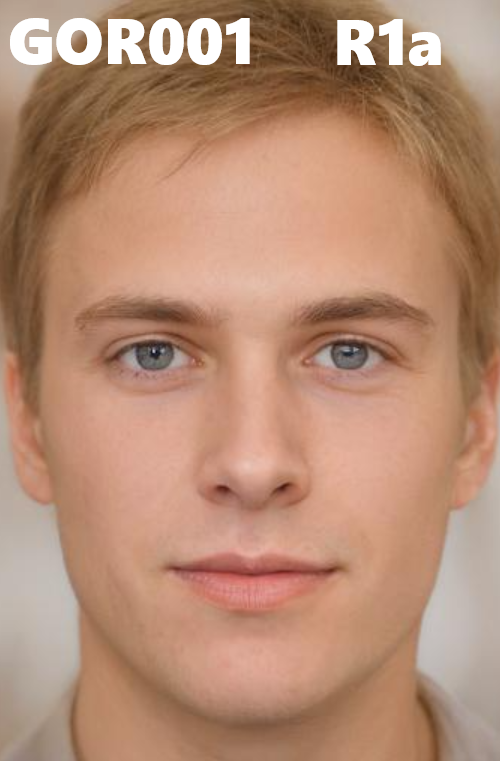
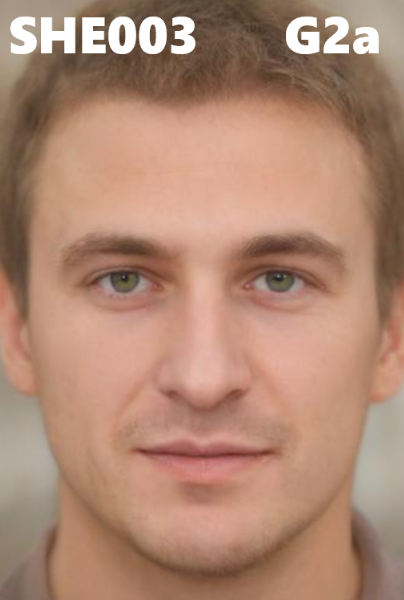
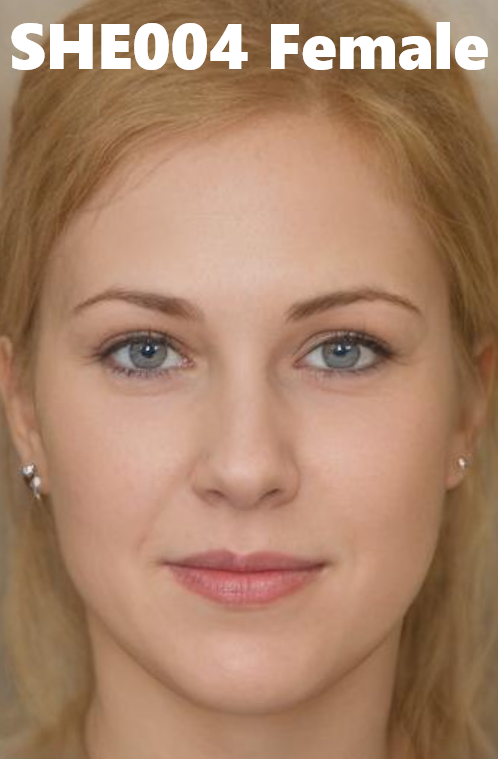
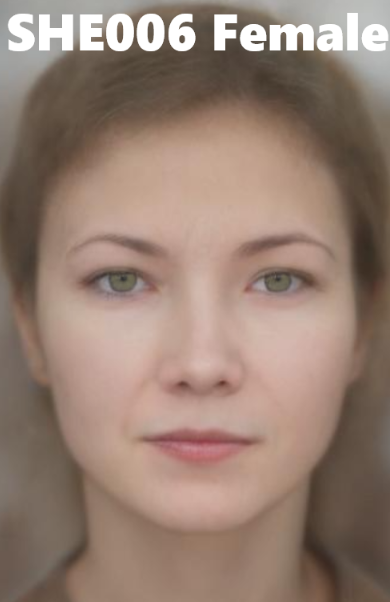
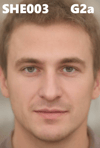
These people inhabited the Volga-Oka basin and bordered the Slavs to the West, the Permyaks to the north, the Mordvinic peoples to the south, and the Bulgars to the east. These people were genetically diverse, some of them resembling Slavic and Mordvinic people, such as the GOR001 sample from Vladimir Oblast, and others resembling Iron age inhabitants of Volga, such as the SHE003 sample. This is also the earliest sample of the 4, dating to 841 AD. The other two samples from Ivanovo fell intermediate between GOR001 from Vladimir and SHE003 from Ivanovo, clustering with Vepsians and northern Russians.
As a group, these meryans descend mainly from the Iron Age inhabitants of Volga-Oka region, with some significant Slavic and Baltic admixture.
They actually don’t have all that much uralic admixture when we change the definition of ‘Uralic’ to mean Siberian rather than Iron age Volga. If we use bolshoy oleni ostrov as proxy for uralic admixture in these meryans, they are only around a quarter uralic. The remainder of their ancestry being bronze age baltic and unetice. Essentially they were mostly of corded ware indo-european origin with around a quarter Uralic ancestry.
Going further back to the mesolithic, their largest components were all the typical European components, albeit with significantly reduced Anatolian Neolithic farmer contribution relative to other Europeans. They also score around 8 and a half percent Krasnoyarsk bronze age, which acts as a proxy for siberian ancestry in northeast europe.