
How to Educate Customers on Your Ingredients & Their Benefits
In today’s beauty landscape, consumers are savvier than ever. They’re reading ingredient labels, Googling what they don’t understand, and demanding transparency. As a brand or formulator, this is your opportunity to stand out, not just by listing what’s inside your products, but by clearly explaining why it matters.
Here’s how to effectively educate your customers on your ingredients and their benefits:
1. Break Down the Jargon
Most customers aren’t chemists. Replace complex INCI names with easy-to-understand explanations. Instead of “Sodium Ascorbyl Phosphate,” say “a stable form of Vitamin C known for brightening and antioxidant protection.”
Tip: Use analogies e.g., “Niacinamide acts like a traffic controller for your skin, balancing oil and calming redness.”
2. Use Ingredient Spotlights
Create regular social media or blog content that highlights one ingredient at a time. Cover:
- What it is
- Where it comes from
- What skin types it benefits
- How it works in your formula
This helps customers connect the dots between science and results.
3. Explain the Synergy
Don’t just highlight ingredients in isolation, explain how they work together. For example:
“We paired Hyaluronic Acid with Panthenol to not only draw moisture into the skin but also to lock it in and prevent dehydration.”
This gives your audience a deeper understanding of your formulation decisions.
4. Use Visual Aids
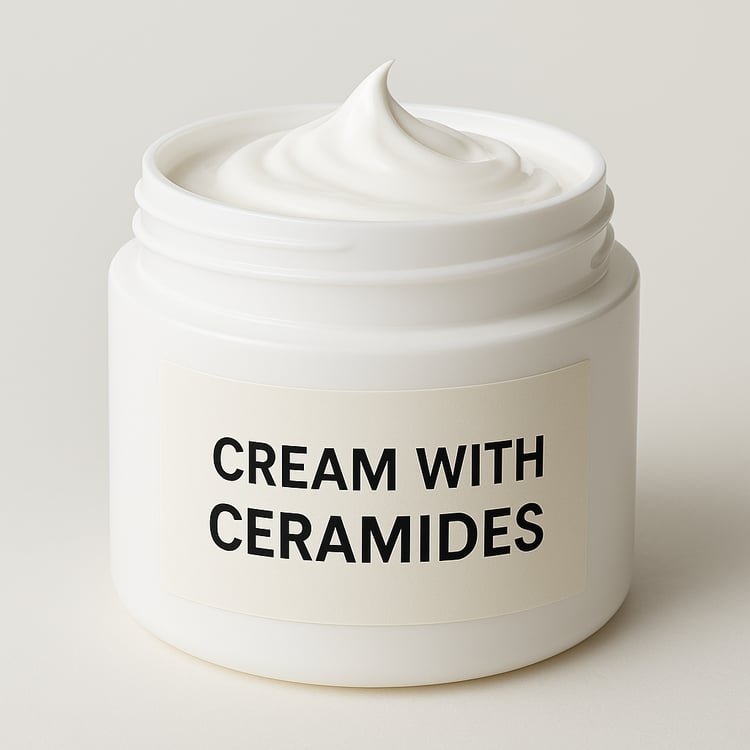
Create infographics, before-and-after images, and videos to show how ingredients work. A diagram of the skin barrier or a short animation showing how ceramides repair it can be far more impactful than text alone.
5. Share Your Research
Cite clinical studies or scientific sources when possible. You don’t have to overwhelm your audience, just include short references like:
“Studies show that 5% Niacinamide improves skin tone and reduces pore size over 8 weeks.”
This builds credibility and positions your brand as evidence-based.
6. Create Ingredient Glossaries
Dedicate a page on your website to a simple, user-friendly glossary. This helps customers feel empowered and informed when browsing your products.
7. Answer Questions Proactively
Use FAQs, captions, or blog posts to address common ingredient concerns. For example:
- “Is alcohol in skincare drying?”
- “Is fragrance safe for sensitive skin?”
Tackling concerns head-on shows transparency and builds trust.
8. Be Honest About Limitations
Educating customers also means setting realistic expectations. Not every ingredient is a miracle. Instead of claiming instant results, explain that “Bakuchiol mimics retinol over time, making it ideal for sensitive skin types.”
9. Leverage Your Packaging
Include key ingredients and brief benefit statements on your product labels. If space is tight, use QR codes that link to a detailed ingredient breakdown online.
10. Encourage Two-Way Learning
Invite your customers to ask questions or share experiences. Educational content performs best when it feels like a conversation, not a lecture.
Why It Matters
Educating your customers doesn’t just make you look smart, it makes them feel confident in their purchase. And confident customers become loyal customers.
So don’t just sell products, share your knowledge. Show them what’s inside and why it’s there. When you teach with transparency, you empower your audience to make informed, value-based choices and that’s how you build a brand that lasts.
Want more tips, examples, and in-depth strategies?
Download my 30+ page document now and start transforming the way you communicate your formulations.