
Emulsifier-Free Systems: Possibilities and Limitations
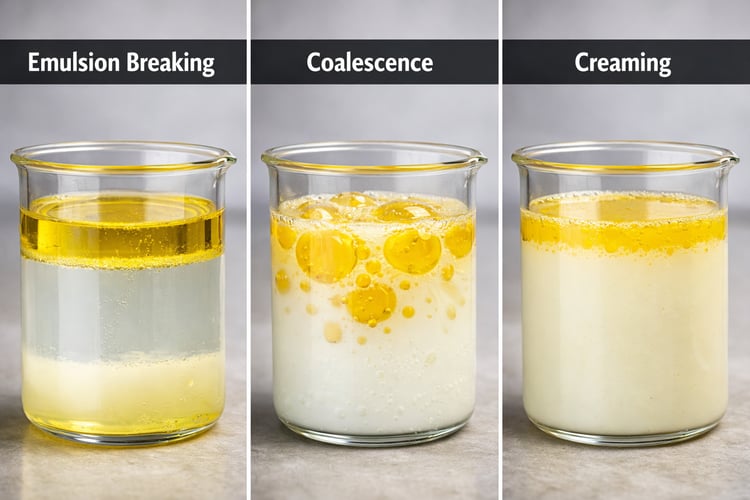
Oil and water naturally separate. Every formulator learns that early on. That is why emulsifiers exist and why they have been used in creams and lotions for decades.
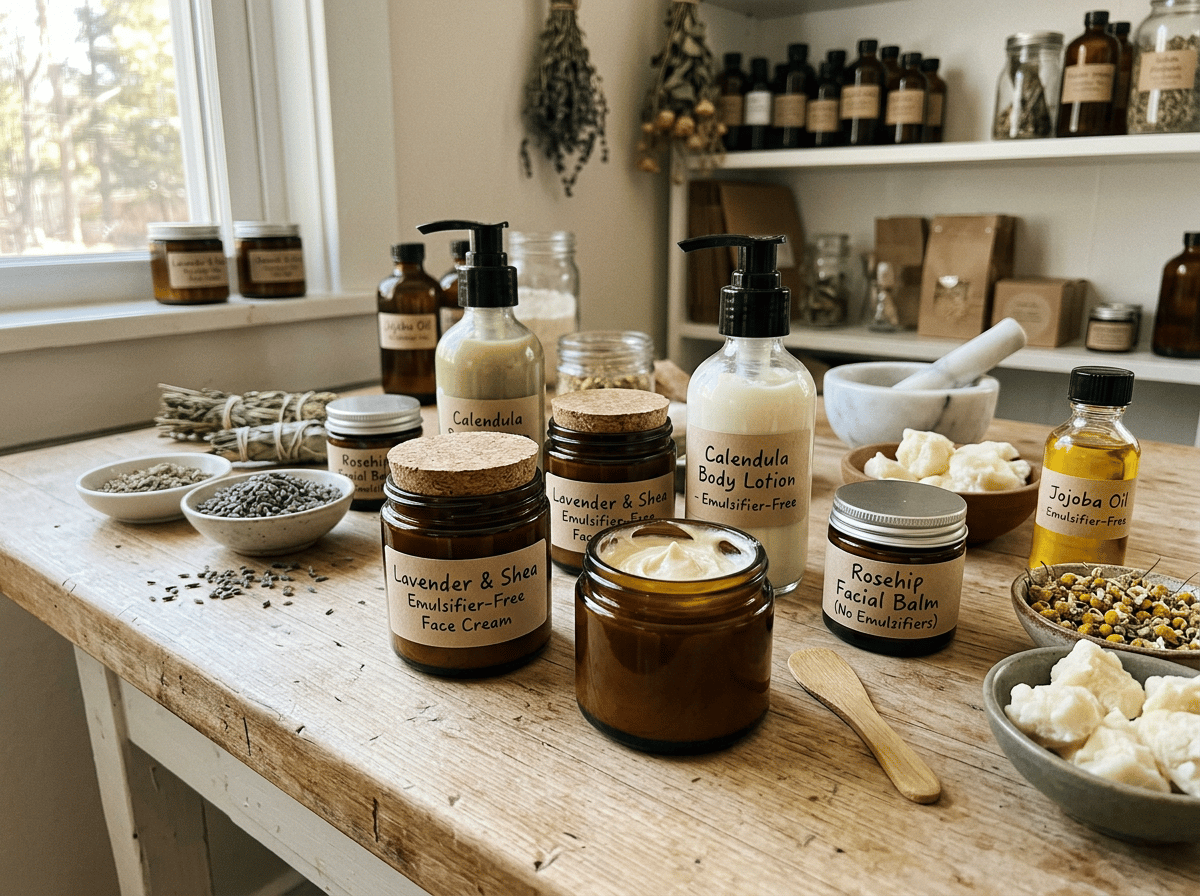
However, in recent years there has been growing interest in formulations that avoid traditional emulsifiers. Terms like emulsifier-free, barrier-friendly and minimalist formulations are becoming more common, but many formulators are still unsure what these systems actually are and how they work.
This educational document takes a closer look at the science behind emulsifier-free systems and explains what is truly possible when oil and water are combined without classical emulsifiers.
Inside this guide, we explore how alternative structures can be used to disperse oil and water, including polymer-structured gels, hydrogel and oleogel combinations, Pickering emulsions and two-phase systems. More importantly, we look at the real formulation limitations, because these systems behave very differently from traditional emulsions.
Rather than treating emulsifier-free systems as a trend, this document explains the chemistry behind them so you can understand when they make sense and when a traditional emulsion is still the better choice.
This guide is ideal for formulators who want to deepen their understanding of emulsion structure and explore alternative formulation approaches without relying on marketing myths.
If you have ever wondered whether emulsifiers are truly necessary in certain formulations, this document will help you understand the science behind the answer.