
The Microbiome Matrix- An In-Depth Guide to Cosmetic Ingredients That Disrupt or Support the Skin’s Ecosystem
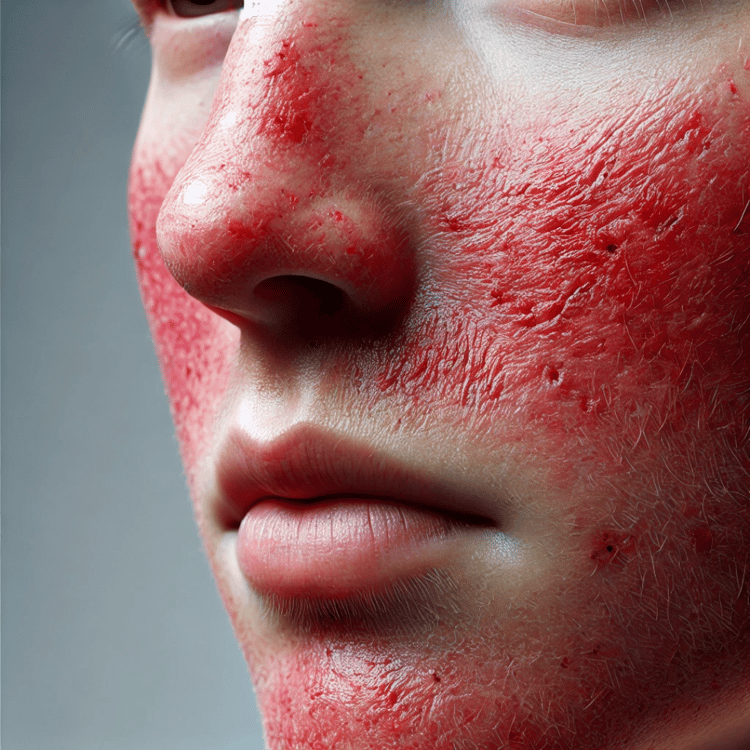
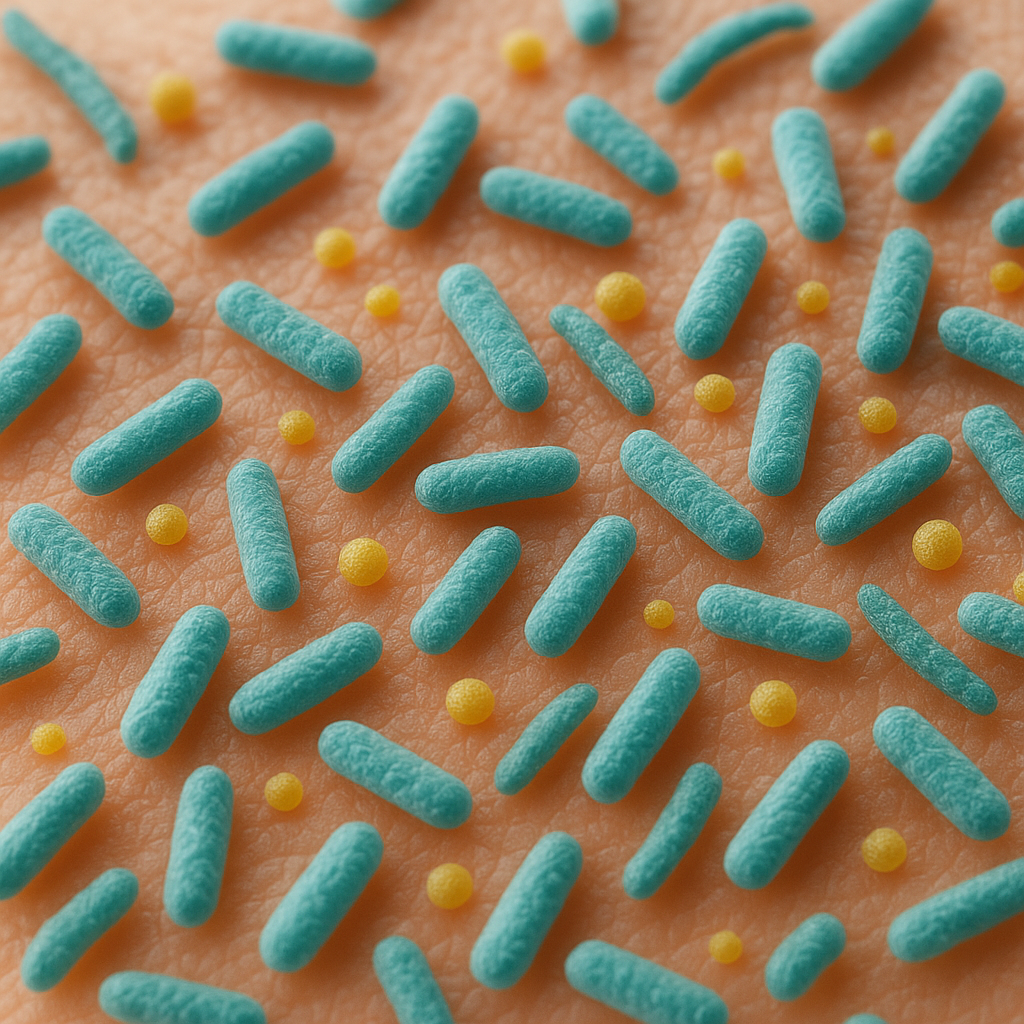
The skin microbiome is a living, breathing ecosystem of beneficial bacteria, fungi, and microorganisms that protect and nourish our skin. When balanced, this microbial layer helps regulate inflammation, strengthens the skin barrier, and keeps pathogens at bay. But when disrupted, it can lead to breakouts, dryness, sensitivity, or even chronic skin conditions like eczema and rosacea.
Ingredients That Can Disrupt the Skin Microbiome
- Harsh Surfactants
- Example: Sodium Lauryl Sulfate (SLS)
Strips away protective lipids and healthy bacteria, disrupting the skin’s pH and integrity.
- High-Concentration Alcohols
- Example: Ethanol above 20%
Overuse can dry out the skin and reduce microbial diversity, weakening barrier function.
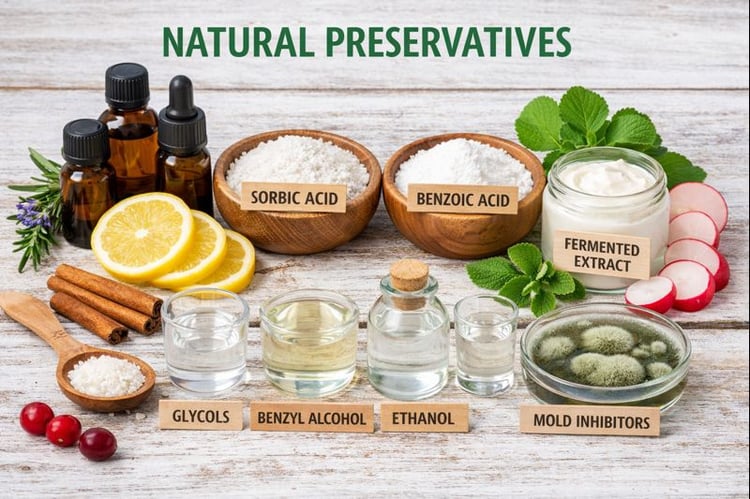
- Potent Preservatives
- Examples: Triclosan, Formaldehyde-releasing agents
While important for safety, some preservatives can negatively impact beneficial flora.
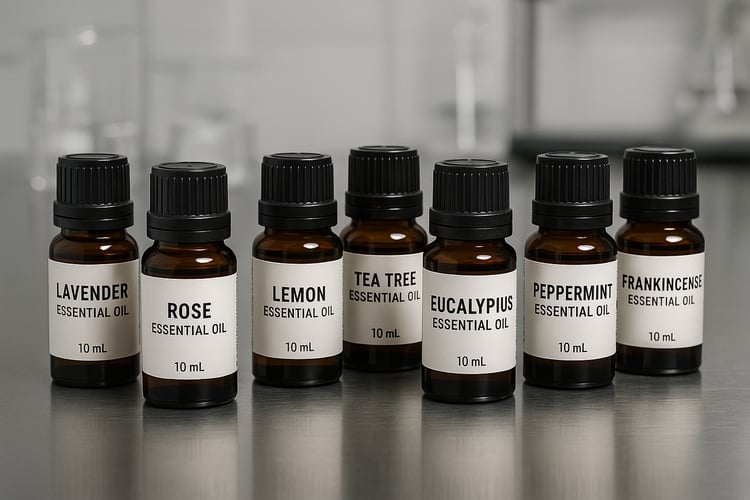
- Overused Essential Oils
- Examples: Tea Tree, Clove, Eucalyptus
Antimicrobial actions may reduce both harmful and helpful bacteria when overused.
- Benzoyl Peroxide
An effective acne treatment, but prolonged use can disturb microbial balance and irritate skin.
Ingredients That Support the Skin Microbiome
- Prebiotics
- Examples: Inulin, Alpha-glucan oligosaccharide
Nourish good bacteria and help them outcompete harmful strains.
- Postbiotics
- Examples: Fermented rice filtrate, Lactobacillus lysate
Deliver soothing, barrier-repairing metabolites derived from probiotics.
- Mild Surfactants
- Examples: Decyl Glucoside, Coco Betaine
Gently cleanse the skin without stripping vital moisture or microbes.
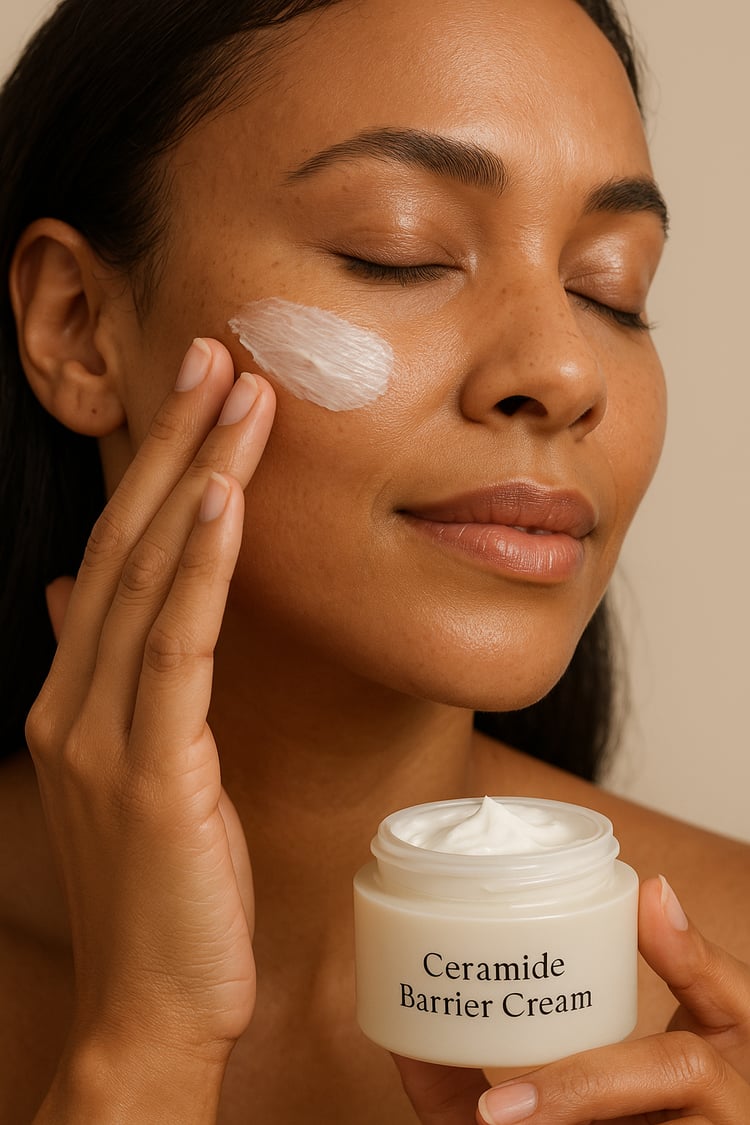
- Barrier Lipids
- Examples: Ceramides, Squalane, Cholesterol
Strengthen the skin barrier, offering an ideal environment for microbes to thrive.
- Humectants
- Examples: Glycerin, Panthenol, Hyaluronic Acid
Hydrate and create a skin-friendly environment for microbial life.
- Probiotic-Derived Extracts
While live probiotics are unstable in cosmetics, their extracts can help reduce inflammation and promote microbial harmony.
Formulator’s Tip
- Aim for a skin-neutral pH (around 5.0–5.5)
- Choose preservative systems with minimal microbiome interference
- Pair actives with barrier-repair ingredients
- Avoid unnecessary antimicrobial overload
Want to Know More About the Skin's Microbiome?
Download and read my 20+ page educational document covering microbiome function, formulation tips, and ingredient selection strategies to support skin health and microbial balance.
Grow your knowledge. Formulate smarter. Support skin from the outside in.